
DbcultAccessing Vault...
Director's Spotlight
Senior Film Conservator
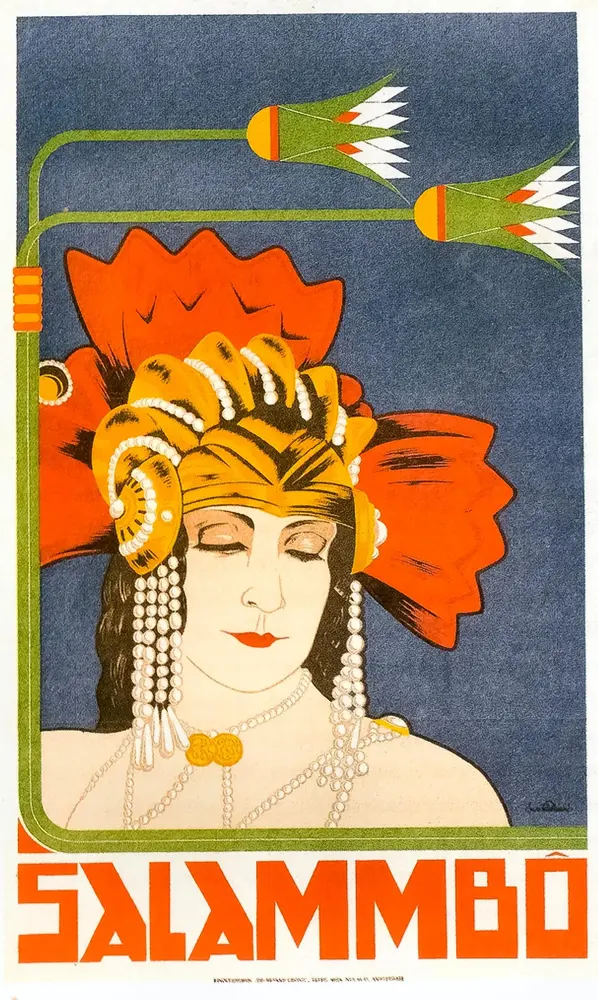
Director's Spotlight: France
A Deep Dive into the 1925 Vision of Pierre Marodon
The Drama DNA of Salammbô is a reflection of France's the historical context that Pierre Marodon weaves into the Drama fabric. Challenging the viewer to find meaning in the Drama shadows, it transcends regional boundaries to tell a universal story.
In Salammbô, Pierre Marodon pushes the boundaries of conventional narrative. The film's unique approach to its subject matter has sparked endless debates and interpretations among cinephiles and critics alike.
While deeply rooted in France, Salammbô has achieved a global reach, influencing directors from various backgrounds. Its ability to translate Drama tropes into a universal cinematic language is why it remains a cult staple decades after its 1925 release.
| Cinematography | Handheld |
| Soundtrack | Minimalist |
| Editing | Slow-Burn |
| Art Direction | Brutalist |
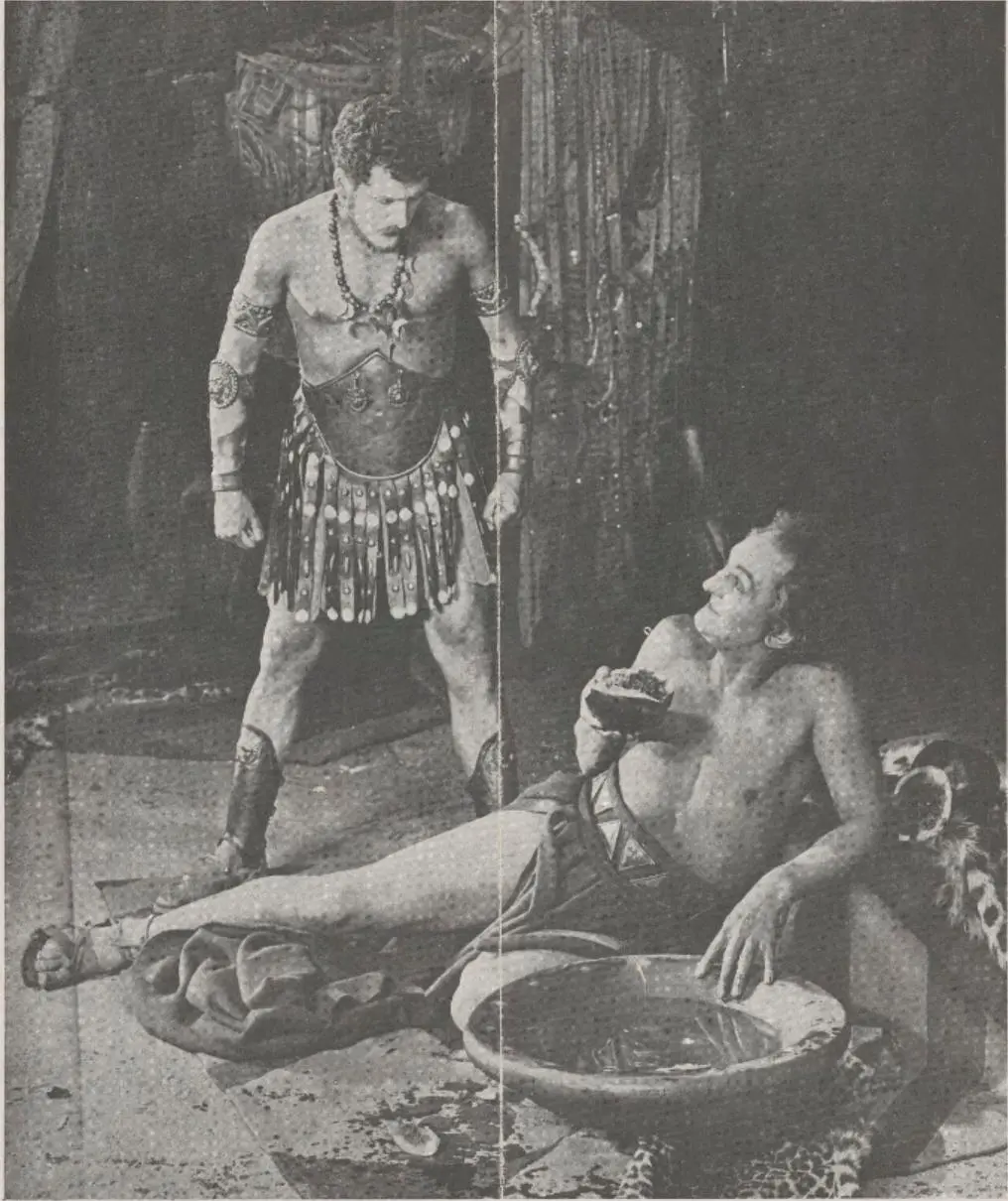
Visualizing the convergence of Pierre Marodon's style and the core Drama narrative.
The story deals with the love of Matho, the leader of the Libyan Mercenani, for Salammbo, the daughter of Hamilcar, who returned after the second Punic War to restore order in Carthage, which has been endangered by the treacherous conduct of the Council of Elders. Matho encounters a deadly rival in the person of Narr' Haras, a Numidian chief, a rivalry which commences at a great feast in Hamilcar's palace, where Matho first is dazzled by the beauty of the great general's daughter. For the love of Salammbo, Matho is willing to encounter any peril, and for he is induced to commit an act of sacrilege by stealing the sacred Veil of Tanit, an act to which he is incited by a renegade Greek who wishes to embroil the Mercenanis with the Carthagenians. Matho is rewarded by the love of Salammbo, but has to take arms against the vengeance of Hamilcar. The Mercenanis are defeated and Matho is treacherously taken by Narr' Haras, who has been selected by Hamilcar as the husband of Salammbo. On the day of their wedding, Matho is compelled to run the gauntlet of the vast crowds who have been incited against him for the sacrilege of the Veil. Almost torn to pieces by the angry mob, he falls prostrate at the feet of Salammbo, who claims his life from the Elders as a consideration for having restored the veil.
Decades after its release, Salammbô remains a vital piece of the cinematic puzzle. Its influence can be seen in countless modern works, solidifying Pierre Marodon's status as a master of the craft in France and beyond.