
DbcultAccessing Vault...
Director's Spotlight
Senior Film Conservator
Director's Spotlight: United States
A Deep Dive into the 1926 Vision of Ralph Ceder
The evocative power of All's Swell That Ends Swell stems from the unique collaboration between the bold experimentation that has become synonymous with Ralph Ceder. Framed by the hauntingly beautiful landscapes of the production, it echoes the profound changes occurring in United States during that era.
In All's Swell That Ends Swell, Ralph Ceder pushes the boundaries of conventional narrative. The film's unique approach to its subject matter has sparked endless debates and interpretations among cinephiles and critics alike.
To fully appreciate All's Swell That Ends Swell, one must consider the cinematic climate of 1926. During this period, United States was undergoing significant artistic shifts, and Ralph Ceder was at the forefront of this Romance movement, often challenging established norms.
| Cinematography | Deep Focus |
| Soundtrack | Synth-Heavy |
| Editing | Disjunctive |
| Art Direction | Baroque |
Visualizing the convergence of Ralph Ceder's style and the core Romance narrative.
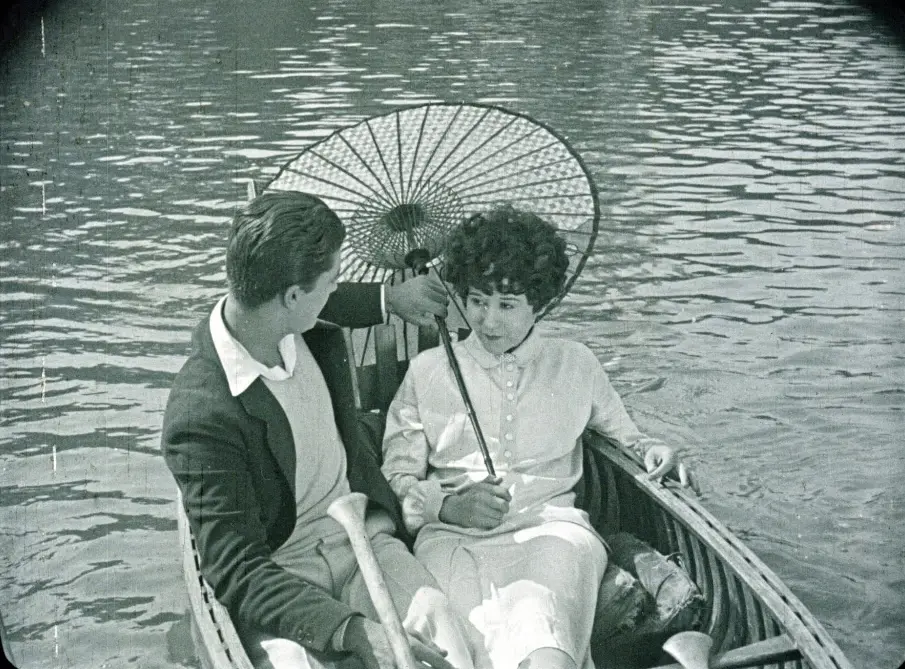
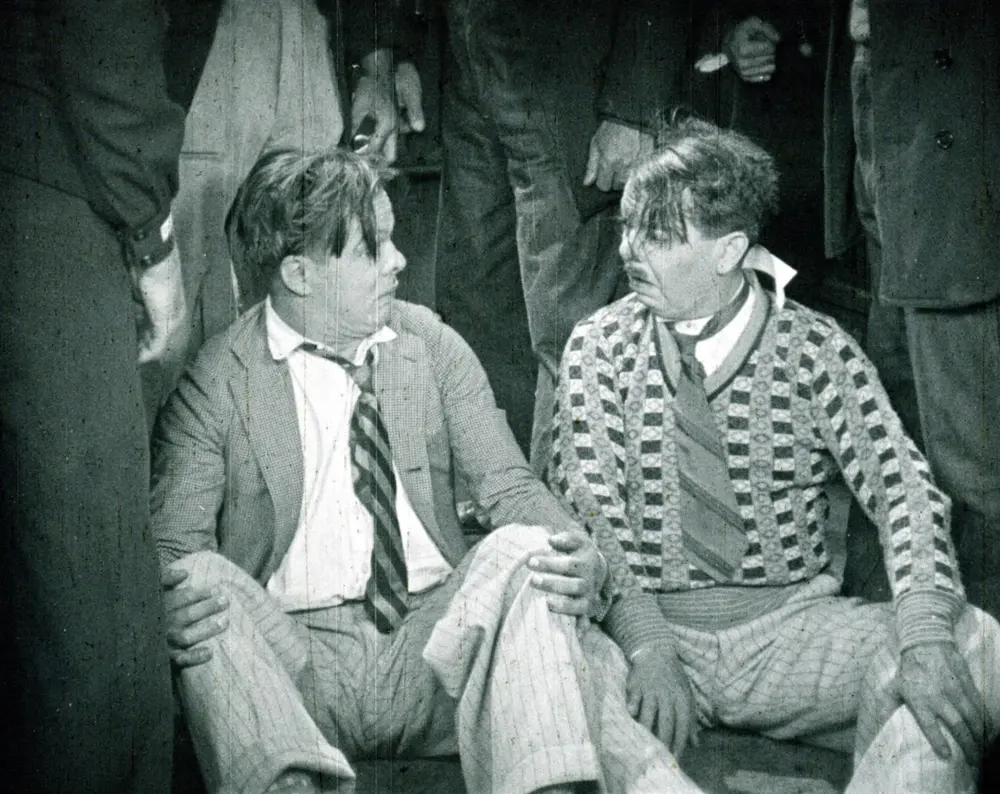
The 12th and last entry in a two-reel series under the series title of "Fighting Hearts": Sally Tracy and Harry Grayson, reporter and editor on the Oceanville Journal, are sent to pay back a large sum of money the newspaper had borrowed from the Hillvale bank. They are ambushed by Tod Raleigh and his henchman, Grogan, and Harry is knocked out, while Sally and the money are taken on board a tramp steamer in the bay. But, once on board, Tod and Grogan are double-crossed by the ship's captain, who makes them crew members while he takes charge of Sally and the money. When Tom and Jerry, the Journal's printers, come to her rescue, he also shanghais them. Harry follows, by motorboat, with the Oceanville police, and, once on deck, finds the always-spunky Sally more than holding her own in a spirited battle with the captain and his crew. The villains are captured, the money is returned, and The End finds Sally and Harry heading for marriage.
Decades after its release, All's Swell That Ends Swell remains a vital piece of the cinematic puzzle. Its influence can be seen in countless modern works, solidifying Ralph Ceder's status as a master of the craft in United States and beyond.