
DbcultAccessing Vault...
Director's Spotlight
Senior Film Conservator
Director's Spotlight: United States
A Deep Dive into the 1926 Vision of Ralph Ceder
Deciphering the layers of Galloping Ghosts (1926) reveals the complex thematic architecture established by Ralph Ceder. Utilizing a 1926-specific aesthetic that remains timeless, it stands as the definitive 1926 statement on Comedy identity.
In Galloping Ghosts, Ralph Ceder pushes the boundaries of conventional narrative. The film's unique approach to its subject matter has sparked endless debates and interpretations among cinephiles and critics alike.
To fully appreciate Galloping Ghosts, one must consider the cinematic climate of 1926. During this period, United States was undergoing significant artistic shifts, and Ralph Ceder was at the forefront of this Comedy movement, often challenging established norms.
| Cinematography | Deep Focus |
| Soundtrack | Synth-Heavy |
| Editing | Rhythmic |
| Art Direction | Naturalist |
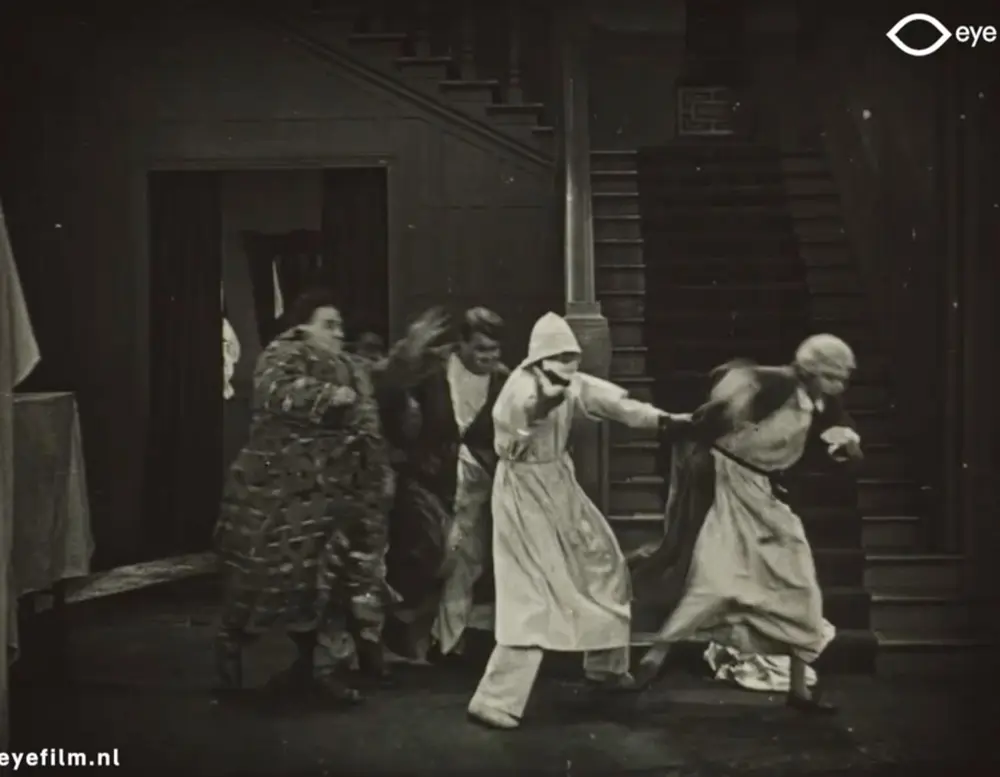
Visualizing the convergence of Ralph Ceder's style and the core Comedy narrative.
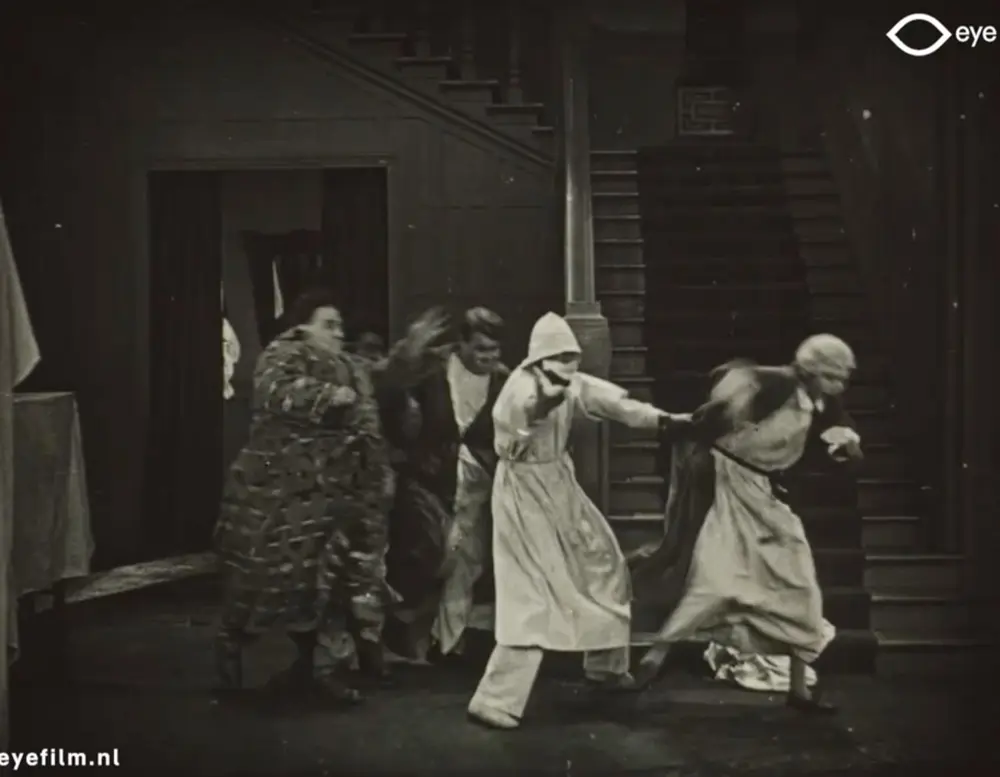
The heavyweights, as the Barrel Brothers, through an employment agency get jobs in the home of a doctor. With the help of a thunder storm and the unexpected return of the doctor, who immediately dresses himself in his operating clothes to dissect a monkey which escapes, give these comics every opportunity to bring forth laughter from the audiences.
Decades after its release, Galloping Ghosts remains a vital piece of the cinematic puzzle. Its influence can be seen in countless modern works, solidifying Ralph Ceder's status as a master of the craft in United States and beyond.