
DbcultAccessing Vault...
Director's Spotlight
Senior Film Conservator
Director's Spotlight: United States
A Deep Dive into the 1925 Vision of Ralph Ceder
The evocative power of Mazie Won't Tell stems from the unique collaboration between the subversive storytelling techniques employed by Ralph Ceder in 1925. Synthesizing the best elements of United States and international cinema, it reminds us of the fragility and beauty of the 1925s.
In Mazie Won't Tell, Ralph Ceder pushes the boundaries of conventional narrative. The film's unique approach to its subject matter has sparked endless debates and interpretations among cinephiles and critics alike.
To fully appreciate Mazie Won't Tell, one must consider the cinematic climate of 1925. During this period, United States was undergoing significant artistic shifts, and Ralph Ceder was at the forefront of this Comedy movement, often challenging established norms.
| Cinematography | Deep Focus |
| Soundtrack | Orchestral |
| Editing | Slow-Burn |
| Art Direction | Brutalist |
Visualizing the convergence of Ralph Ceder's style and the core Comedy narrative.
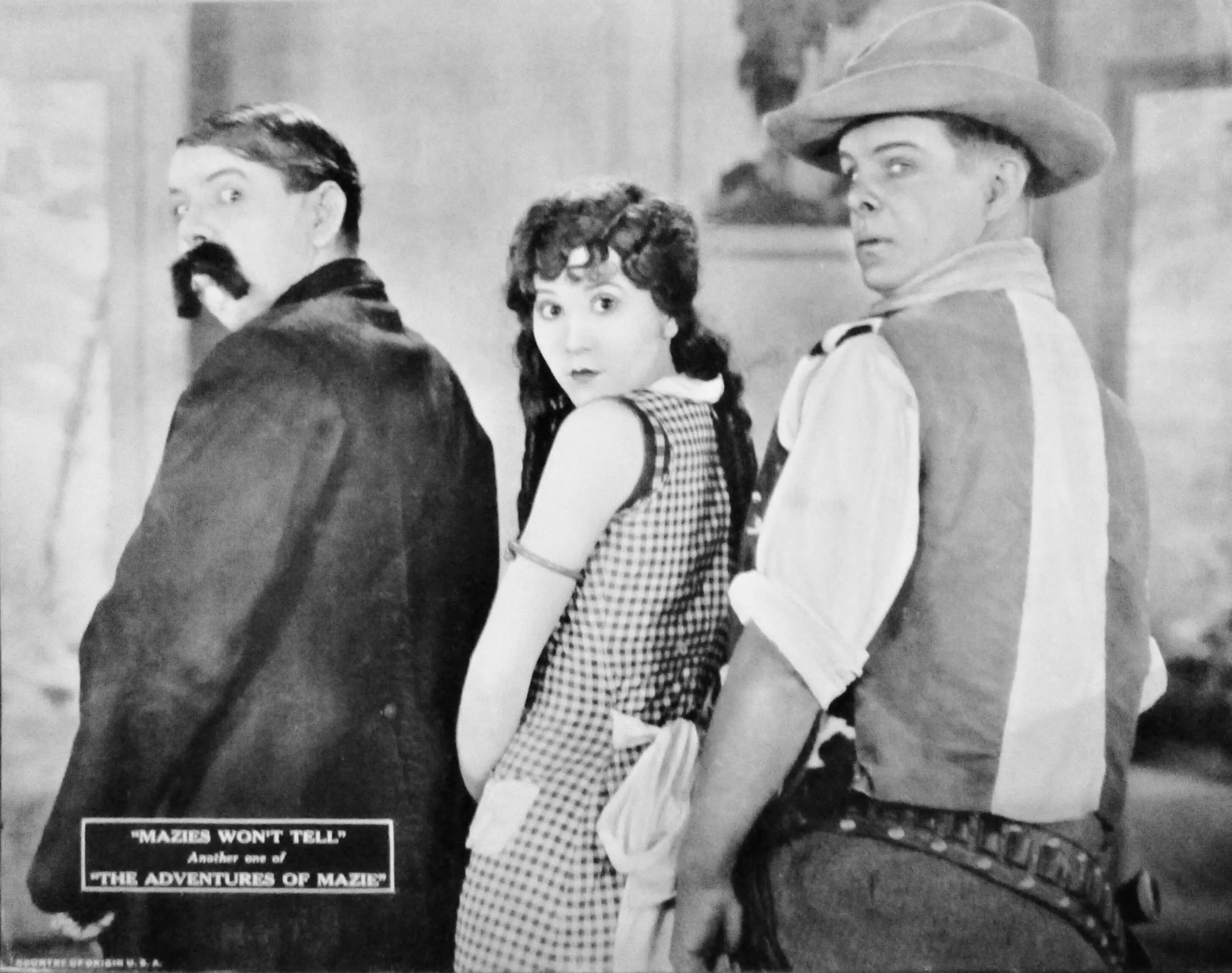
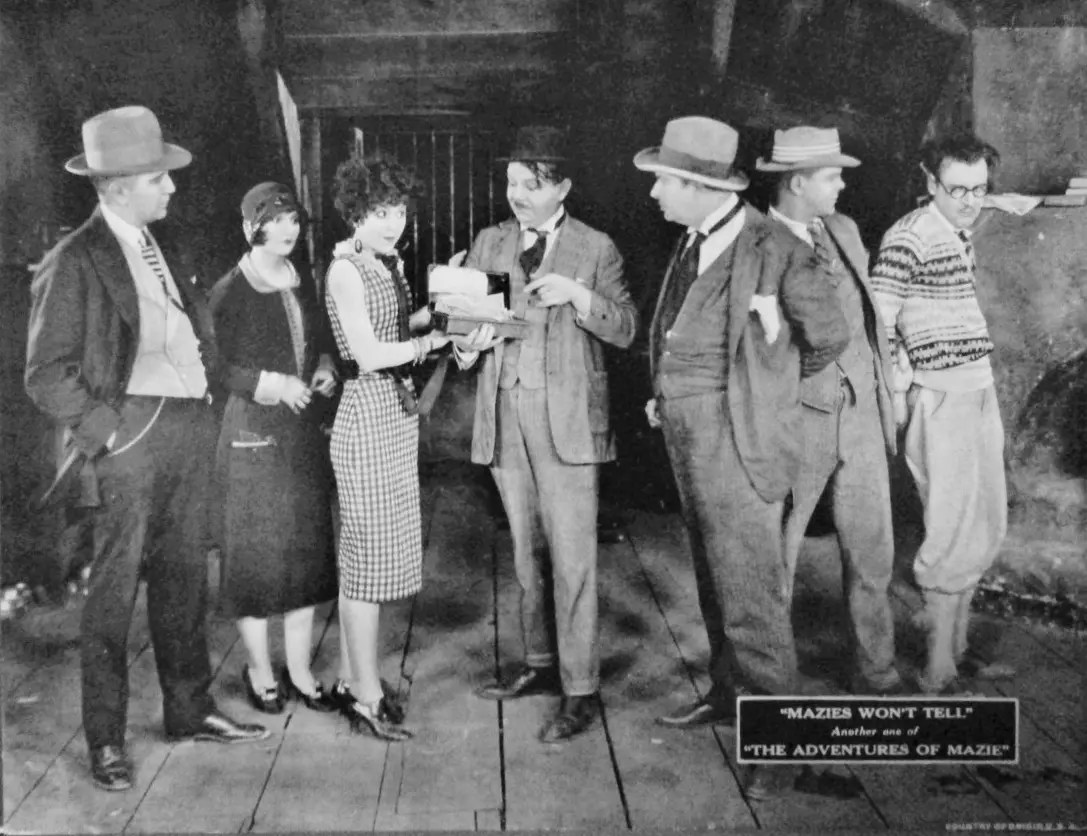
Mazie's two pals decide they don't like her boss's girl and plant Mazie's picture in a bathing suit on his desk. He fires her. She aids her pals as detectives at a swell dance in guarding the jewels. The pals, Al Cooke and Kit Guard, turn out to be rotten detectives, for jewels are found in Mazie's room. It develops that they have been placed there by a burglar who was in league with the boss's sweetheart. Mazie is vindicated and gets her job back again.
Decades after its release, Mazie Won't Tell remains a vital piece of the cinematic puzzle. Its influence can be seen in countless modern works, solidifying Ralph Ceder's status as a master of the craft in United States and beyond.