
DbcultAccessing Vault...
Director's Spotlight
Senior Film Conservator
Director's Spotlight: United States
A Deep Dive into the 1928 Vision of Ralph Ceder
To understand the modern evolution of United States film, one must first look at Wife Savers and the collaborative alchemy between Ralph Ceder and the 1928 creative team. Subverting the expectations of the typical 1928 audience, it remains a vital reference point for anyone studying the evolution of Ralph Ceder.
In Wife Savers, Ralph Ceder pushes the boundaries of conventional narrative. The film's unique approach to its subject matter has sparked endless debates and interpretations among cinephiles and critics alike.
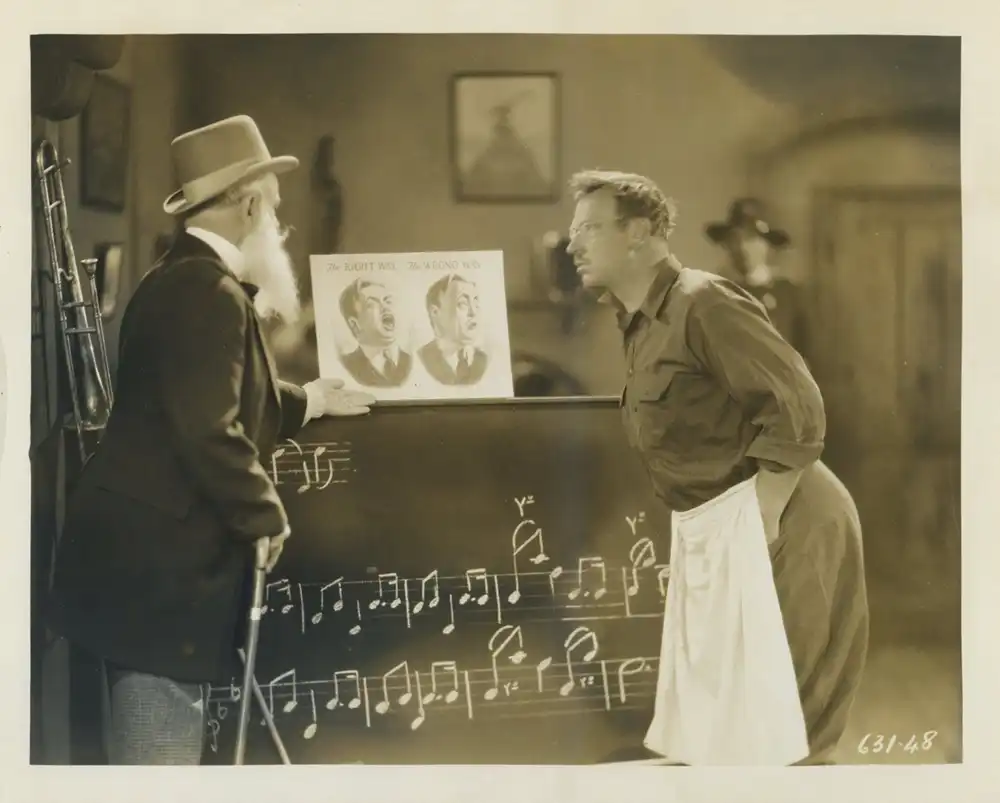
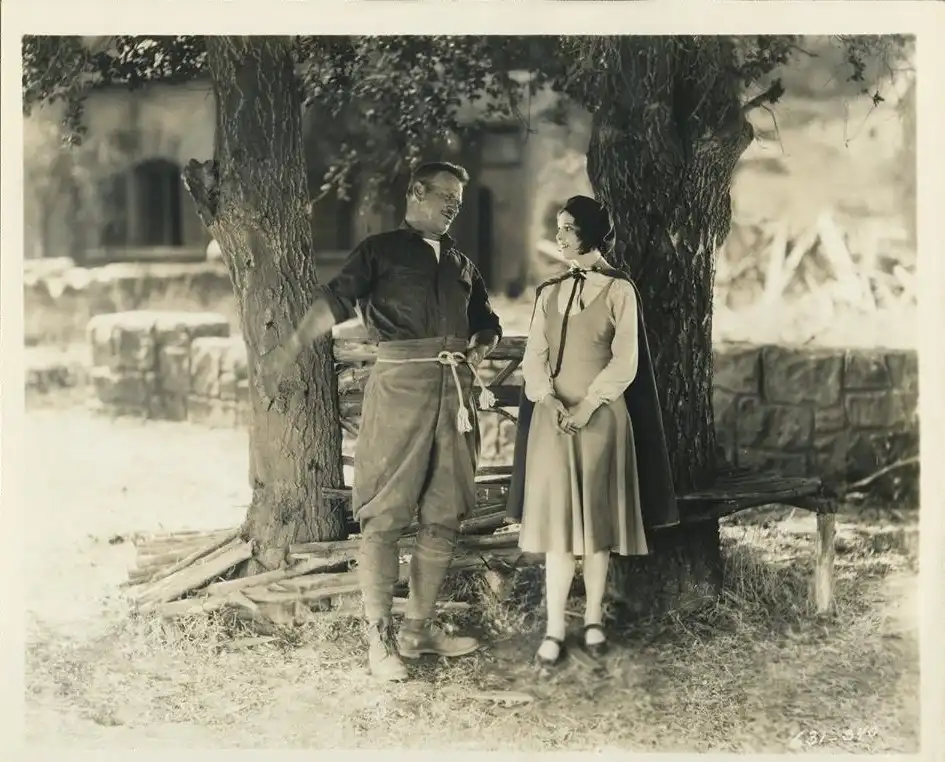
The visual language of Wife Savers is defined by its use of shadows and framing, a hallmark of Ralph Ceder's style. By utilizing a 1928-era palette, the film creates an immersive experience that perfectly complements its Comedy themes.
| Cinematography | High-Contrast |
| Soundtrack | Diegetic |
| Editing | Elliptical |
| Art Direction | Expressionist |
Visualizing the convergence of Ralph Ceder's style and the core Comedy narrative.
Louis Hozenozzle and 2d Lieut. Rodney Ramsbottom, two American soldiers, are stationed in Switzerland after World War I. Ramsbottom is in love with Colette, a pretty Swiss girl, and when he receives orders to leave Switzerland he orders Hozenozzle to remain there to protect Colette. General Lavoris, a Swiss, also desires Colette, but she spurns him. Returning home, he has a fake order issued stating that all unmarried women must immediately take husbands. At her request, Hozenozzle marries Colette. Ramsbottom then receives a letter from General Lavoris telling him that he has been double-crossed, and the lieutenant immediately returns to Switzerland and challenges Hozenozzle to a duel. Colette intercedes, explaining that she married only to save herself from Lavoris. The mayor grants Colette a divorce from Hozenozzle, but all the suitors lose her to a handsome young major.
Decades after its release, Wife Savers remains a vital piece of the cinematic puzzle. Its influence can be seen in countless modern works, solidifying Ralph Ceder's status as a master of the craft in United States and beyond.