
DbcultAccessing Vault...
Director's Spotlight
Senior Film Conservator
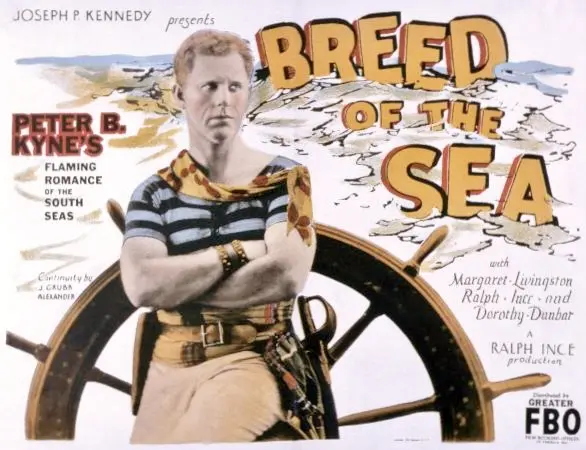
Director's Spotlight: United States
A Deep Dive into the 1926 Vision of Ralph Ince
Witnessing the stylistic transformation of Action through Breed of the Sea reveals the provocative questions that Ralph Ince poses to the United States audience. Exploring the nuances of the human condition with Action flair, it showcases the power of Action as a tool for social commentary.
In Breed of the Sea, Ralph Ince pushes the boundaries of conventional narrative. The film's unique approach to its subject matter has sparked endless debates and interpretations among cinephiles and critics alike.
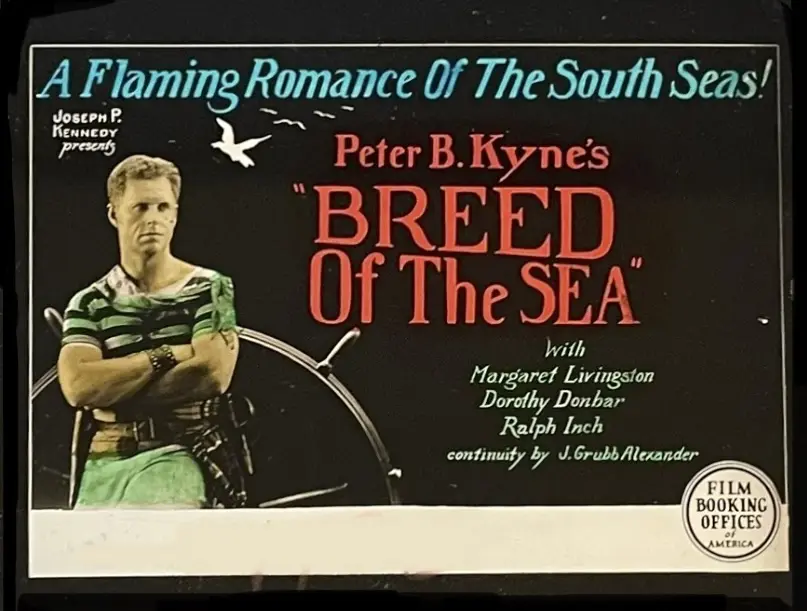
While deeply rooted in United States, Breed of the Sea has achieved a global reach, influencing directors from various backgrounds. Its ability to translate Action tropes into a universal cinematic language is why it remains a cult staple decades after its 1926 release.
| Cinematography | Static |
| Soundtrack | Orchestral |
| Editing | Invisible |
| Art Direction | Kitsch |
Visualizing the convergence of Ralph Ince's style and the core Action narrative.
Tom and Tod Pembroke are the twin sons of Jefferson Pembroke, a Virginia Bishop, and are divinity-school students. Tom is serious and Tod carefree and adventurous, and both are in love with Ruth Featherstone. Tod is expelled from the school and, seeing that Ruth loves Tom, he sets sail for China. Five years later, Tom, a missionary, and his bride Ruth are on the way to establish a mission at Paroa, in the Java Sea. En route, Tom catches island-fever, and their vessel is captured by a pirate calling himself Captain Blaze Devine. The latter is really Tod Pembroke, but his heavy beard makes him unrecognizable, but he recognizes his brother and Ruth. Devine learns of his brothers mission, shaves his beard and sails for Paroa, and poses as his ill-brother. "Bully" Rawden, the island trader opposes the building of a mission, but Tod whips him in a fight, and holds services that night. Marietta, Rawden's daughter, falls in love with him, but Tod, unable to reveals his true identity, has to conceal his feelings for her.
Decades after its release, Breed of the Sea remains a vital piece of the cinematic puzzle. Its influence can be seen in countless modern works, solidifying Ralph Ince's status as a master of the craft in United States and beyond.