
DbcultAccessing Vault...
Director's Spotlight
Senior Film Conservator
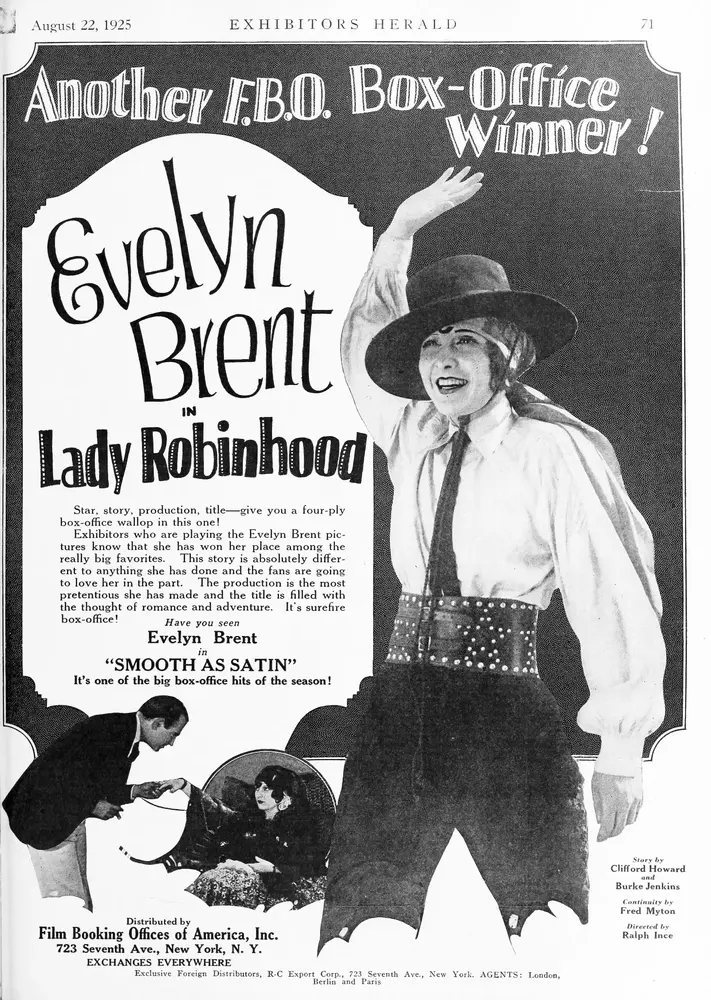
Director's Spotlight: United States
A Deep Dive into the 1925 Vision of Ralph Ince
The thematic gravity of Lady Robinhood (1925) is rooted in the historical context that Ralph Ince weaves into the Drama fabric. Synthesizing the best elements of United States and international cinema, it highlights the importance of independent voices in United States.
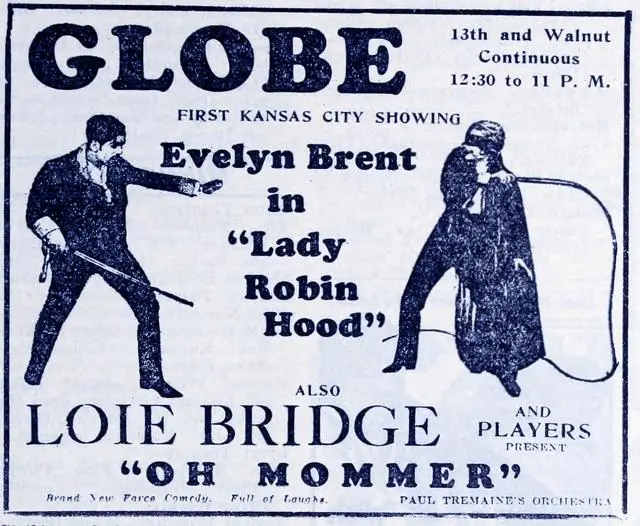
In Lady Robinhood, Ralph Ince pushes the boundaries of conventional narrative. The film's unique approach to its subject matter has sparked endless debates and interpretations among cinephiles and critics alike.
| Cinematography | Handheld |
| Soundtrack | Synth-Heavy |
| Editing | Disjunctive |
| Art Direction | Baroque |
Visualizing the convergence of Ralph Ince's style and the core Drama narrative.
Disguising herself as a masked bandit, Catalina, the ward of the governor of a Spanish province, avenges injustice, aids the poor, and plots a revolution. Hugh Winthrop, a young American who owns mines in the province, comes to inspect them and is kidnapped by Catalina, who suspects him of being an enemy of the people. He escapes but meets Catalina later at the governor's palace, where they are arrested for stealing state papers. Catalina escapes, and Hugh is sentenced to be executed. As he is standing before the firing squad, Catalina and her followers ride in and save him. The governor, who was responsible for many of the province's ills, is convicted; and Hugh and Catalina are united.
Decades after its release, Lady Robinhood remains a vital piece of the cinematic puzzle. Its influence can be seen in countless modern works, solidifying Ralph Ince's status as a master of the craft in United States and beyond.