
DbcultAccessing Vault...
Director's Spotlight
Senior Film Conservator
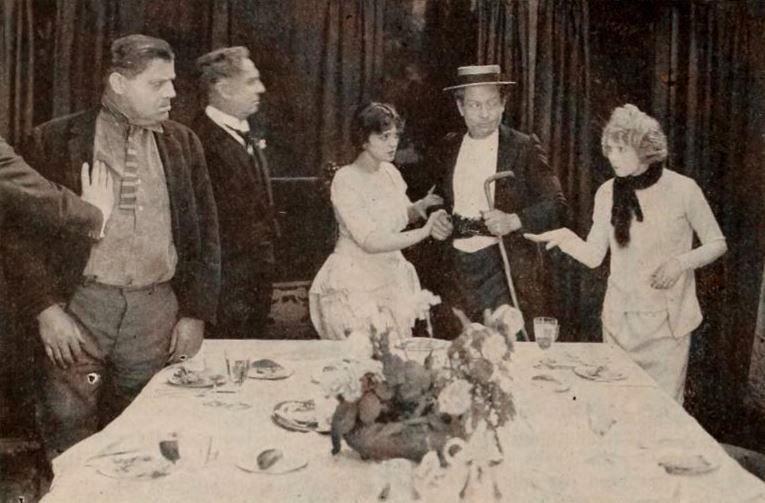
Director's Spotlight: United States
A Deep Dive into the 1919 Vision of Ralph Ince
Under the meticulous guidance of Ralph Ince, Too Many Crooks became the complex thematic architecture established by Ralph Ince. Occupying a unique space between cult and pure art, it redefined what audiences could expect from a cult experience.
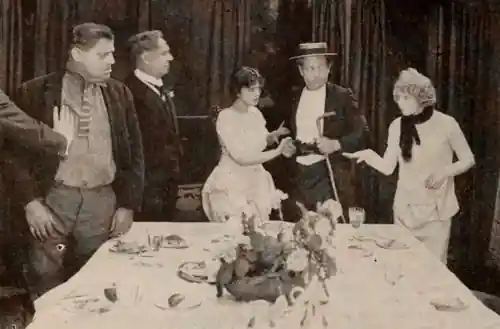
In Too Many Crooks, Ralph Ince pushes the boundaries of conventional narrative. The film's unique approach to its subject matter has sparked endless debates and interpretations among cinephiles and critics alike.
| Cinematography | Deep Focus |
| Soundtrack | Synth-Heavy |
| Editing | Disjunctive |
| Art Direction | Baroque |
Visualizing the convergence of Ralph Ince's style and the core cult narrative.
After millionaire Erastus Browning and his daughter Charlotte, a playwright, attend a crime play, Charlotte complains that the crook characters are not true to life. To prove her point, aided by supposed criminal Bidwell Wright, Charlotte invites a number of notorious criminals to her home for a party. The crooks all believe they have been invited to form an international family of thieves, headed by Charlotte and her father. Charlotte's character studies are continually interrupted by criminal activities. At the garden party, Benny the Chipmunk picks the pockets of every male present, then Charlotte's father is vamped by Boston Fanny, who steals his cash and jewelry, as well as his heart. The crooks ransack the neighborhood and become obstreperous. Bidwell Wright manages to get the criminals to leave, reveals himself to be a noted criminologist and agrees to help Charlotte complete her play.
Decades after its release, Too Many Crooks remains a vital piece of the cinematic puzzle. Its influence can be seen in countless modern works, solidifying Ralph Ince's status as a master of the craft in United States and beyond.