
DbcultAccessing Vault...
Director's Spotlight
Senior Film Conservator
Director's Spotlight: United States
A Deep Dive into the 1917 Vision of Raoul Walsh
The thematic gravity of Betrayed (1917) is rooted in the historical context that Raoul Walsh weaves into the cult fabric. Synthesizing the best elements of United States and international cinema, it highlights the importance of independent voices in United States.
In Betrayed, Raoul Walsh pushes the boundaries of conventional narrative. The film's unique approach to its subject matter has sparked endless debates and interpretations among cinephiles and critics alike.
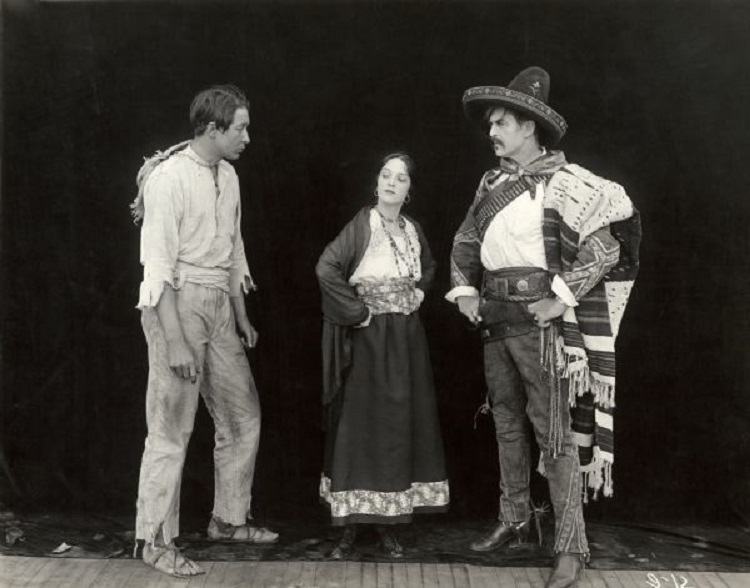
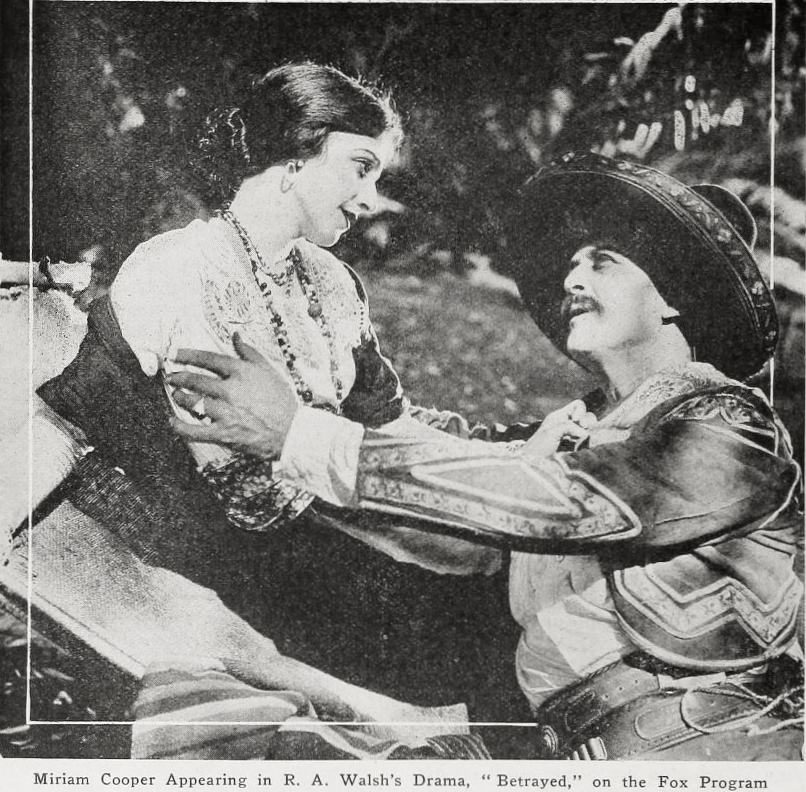
The visual language of Betrayed is defined by its use of shadows and framing, a hallmark of Raoul Walsh's style. By utilizing a 1917-era palette, the film creates an immersive experience that perfectly complements its cult themes.
| Cinematography | Static |
| Soundtrack | Experimental |
| Editing | Invisible |
| Art Direction | Kitsch |
Visualizing the convergence of Raoul Walsh's style and the core cult narrative.
When notorious bandit Leopoldo Juarez takes refuge in her house, pretty young Mexican girl Carmelita finds herself falling for him, and arranges to meet him at a nearby brook, but falls asleep soon after he leaves. She awakens to find American army officer William Jerome arriving at the house, looking for Jerome. Intrigued by the young officer, she tells him about her scheduled meeting with the bandit. Juarez finds out about it, and forces her to wear his hat and coat. Jerome mistakenly shoots her, is tried for murder and sentenced to be shot before a firing squad. However, everything isn't quite the way it seems to be . . .
Decades after its release, Betrayed remains a vital piece of the cinematic puzzle. Its influence can be seen in countless modern works, solidifying Raoul Walsh's status as a master of the craft in United States and beyond.