
DbcultAccessing Vault...
Director's Spotlight
Senior Film Conservator
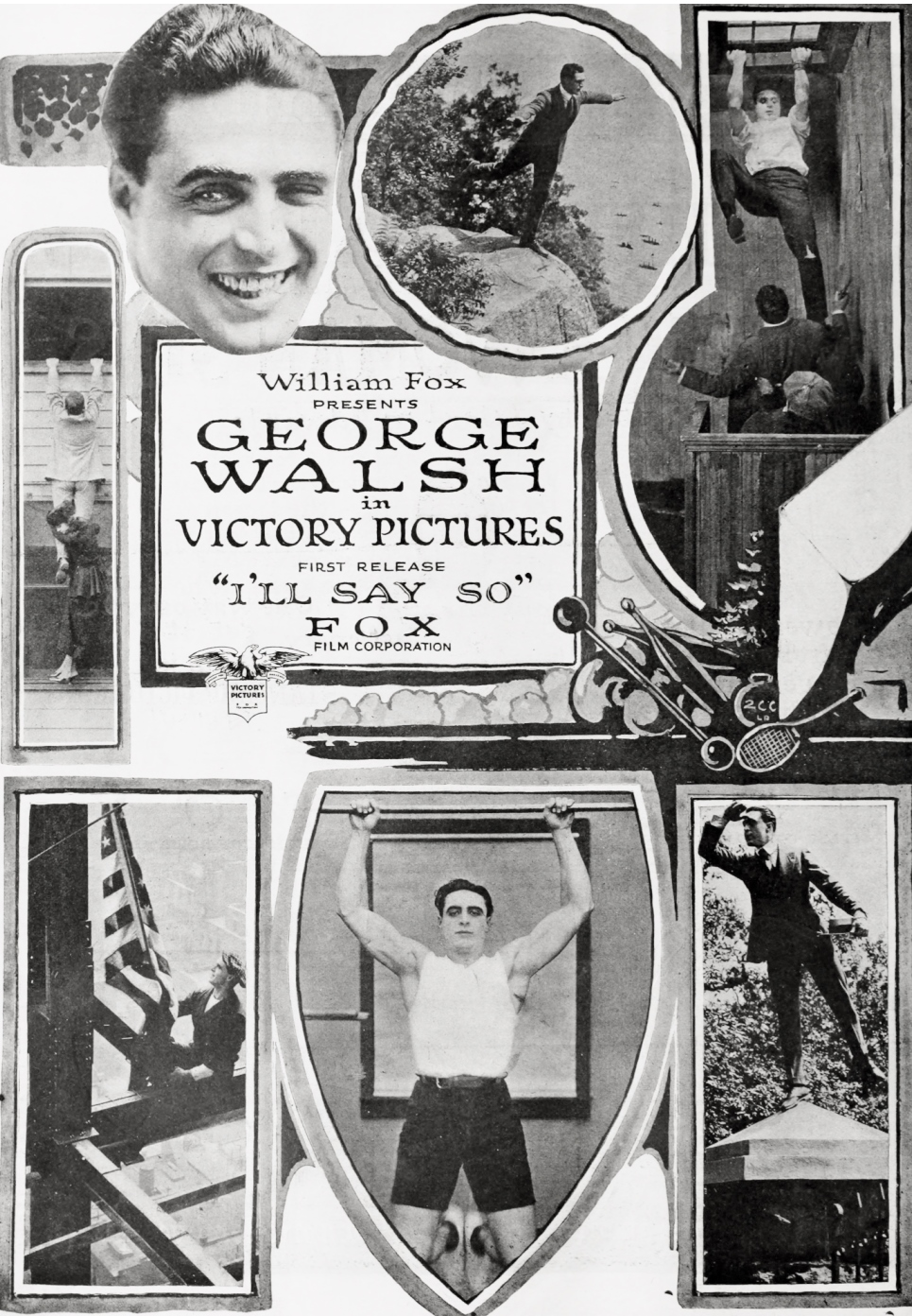
Director's Spotlight: United States
A Deep Dive into the 1918 Vision of Raoul Walsh
As we revisit the 1918 masterpiece I'll Say So, we are struck by the atmospheric immersion that Raoul Walsh achieves throughout I'll Say So. Exploring the nuances of the human condition with cult flair, it solidifies Raoul Walsh's reputation as a master of the craft.
In I'll Say So, Raoul Walsh pushes the boundaries of conventional narrative. The film's unique approach to its subject matter has sparked endless debates and interpretations among cinephiles and critics alike.
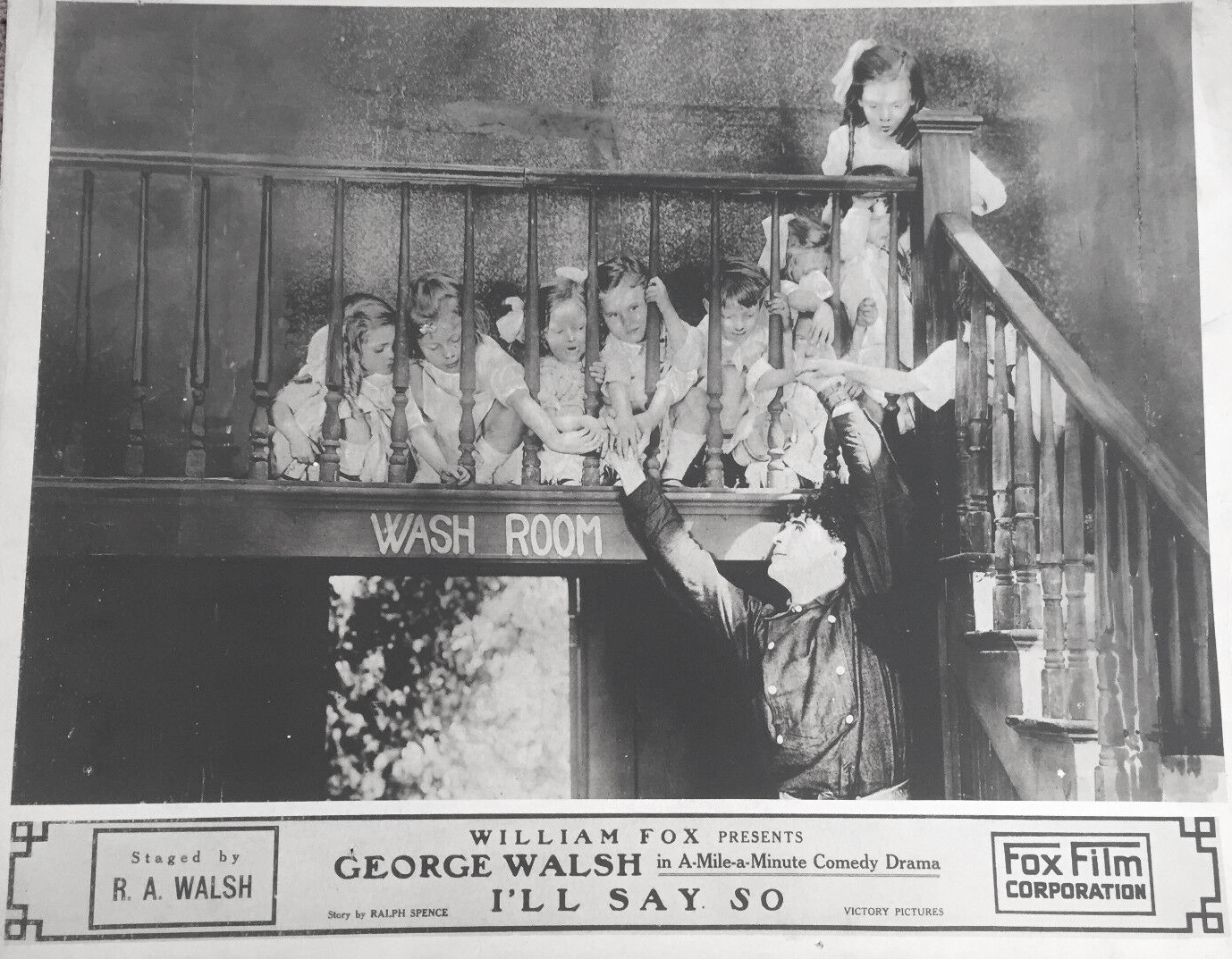
In this work, Raoul Walsh explores the intersection of cult and United States cultural identity. The meticulous attention to detail suggests a deep-seated commitment to pushing the boundaries of the medium, ensuring that I'll Say So remains a relevant topic of study for cult enthusiasts.
| Cinematography | Static |
| Soundtrack | Experimental |
| Editing | Invisible |
| Art Direction | Kitsch |
Visualizing the convergence of Raoul Walsh's style and the core cult narrative.
Hearing that the United States has just declared war on Germany, Bill Durham hurries to a recruiting station to enlist, but because he has flat feet, he is rejected. He falls in love with Barbara Knowles, whose guardian, August Myers, unknown to Barbara, is a German agent. When Bill learns that Myers plans to stir up trouble on the border of the United States and Mexico, he catches the train to New Mexico and routs out Myers' gang of bandits. Meanwhile, Myers has sent Barbara back to New York to be married to German spy Carl Vogel. Bill returns East and arrives at the church just in time to dispose of the German bridegroom and marry Barbara himself.
Decades after its release, I'll Say So remains a vital piece of the cinematic puzzle. Its influence can be seen in countless modern works, solidifying Raoul Walsh's status as a master of the craft in United States and beyond.