
DbcultAccessing Vault...
Director's Spotlight
Senior Film Conservator
Director's Spotlight: United States
A Deep Dive into the 1922 Vision of Raoul Walsh
Deciphering the layers of Kindred of the Dust (1922) reveals a monumental shift in Romance filmmaking spearheaded by Raoul Walsh. With its avant-garde structure and atmospheric tension, offering layers of thematic complexity that demand repeated viewing.
In Kindred of the Dust, Raoul Walsh pushes the boundaries of conventional narrative. The film's unique approach to its subject matter has sparked endless debates and interpretations among cinephiles and critics alike.
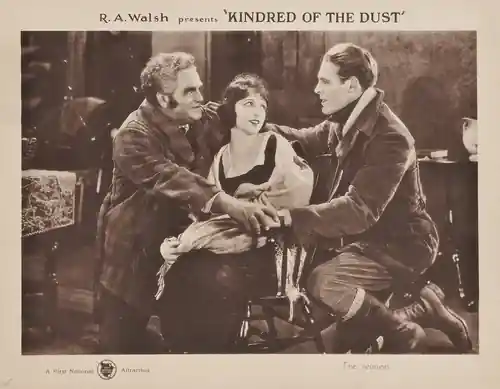
The visual language of Kindred of the Dust is defined by its use of shadows and framing, a hallmark of Raoul Walsh's style. By utilizing a 1922-era palette, the film creates an immersive experience that perfectly complements its Romance themes.
| Cinematography | Noir-Inspired |
| Soundtrack | Diegetic |
| Editing | Rhythmic |
| Art Direction | Naturalist |
Visualizing the convergence of Raoul Walsh's style and the core Romance narrative.
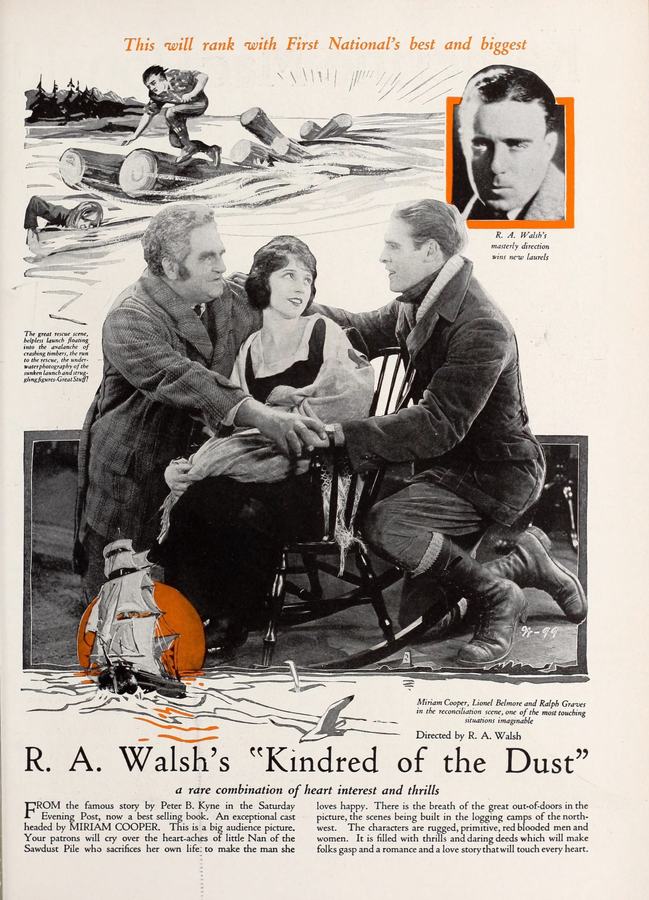
Discovering that her husband is a bigamist, Nan returns with her young child to her Puget Sound, Washington, logging town hoping to live with her father. Everyone treats her as an outcast until Donald McKaye, her childhood sweetheart and the son of a millionaire, returns from college. Donald's parents and sisters thwart their romance, believing that the mother of a bastard child is beneath him, but when Donald becomes gravely ill, his mother calls on Nan to nurse him back to health. Donald's marriage to Nan drives his father to disinherit him, and the old man fails to relent even after Donald saves his life in a river accident. Finally, the arrival of a son prompts a family reconciliation.
Decades after its release, Kindred of the Dust remains a vital piece of the cinematic puzzle. Its influence can be seen in countless modern works, solidifying Raoul Walsh's status as a master of the craft in United States and beyond.