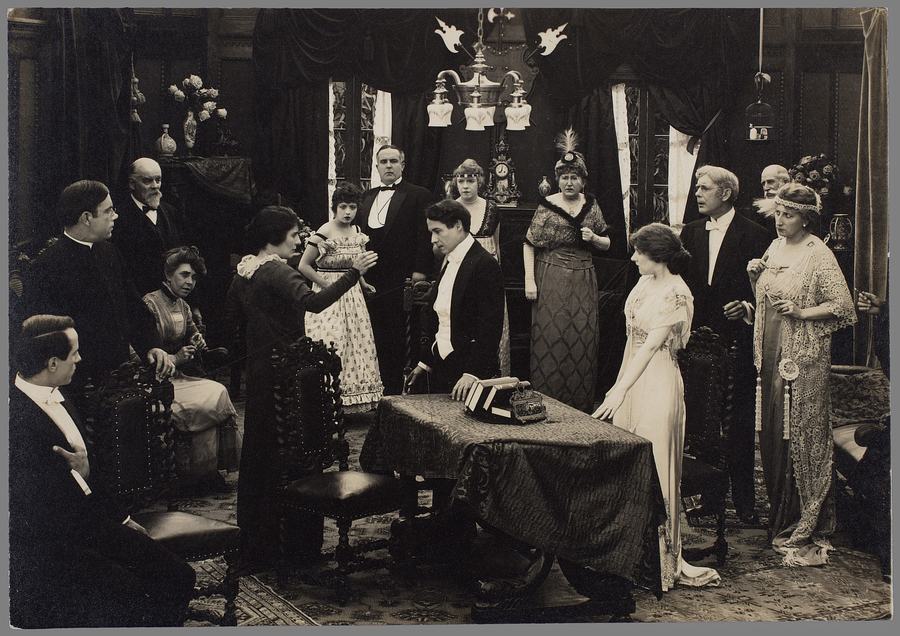
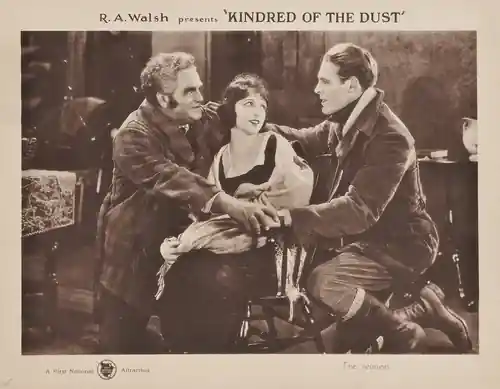
Discovering that her husband is a bigamist, Nan returns with her young child to her Puget Sound, Washington, logging town hoping to live with her father. Everyone treats her as an outcast until Donald McKaye, her childhood sweetheart and the son of a millionaire, returns from college.

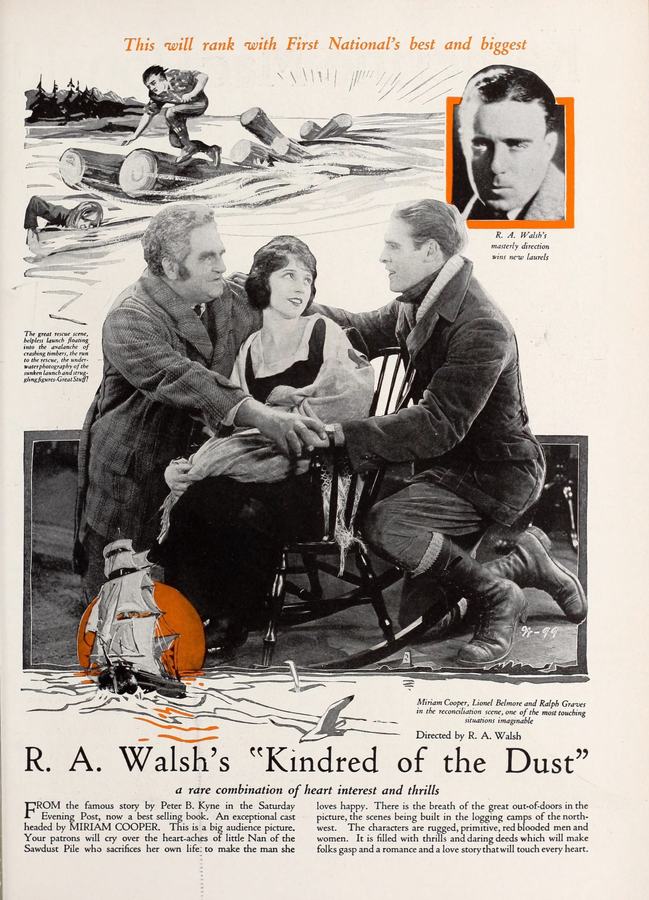
The celluloid landscape of 1922 was often dominated by the grandiosity of historical epics or the frenetic energy of slapstick, yet Kindred of the Dust stands as a somber, rain-drenched monument to the complexities of human morality and the unforgiving nature of social stratification. Set against the jagged, mist-shrou...
still_frame
production_art
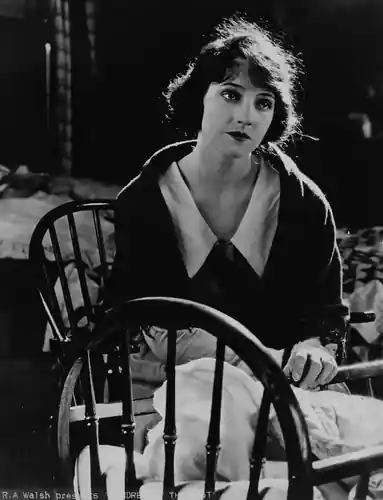
still_frame
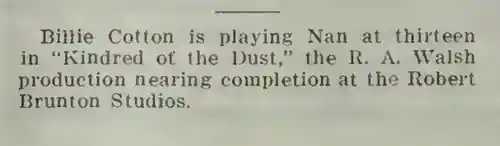
publicity
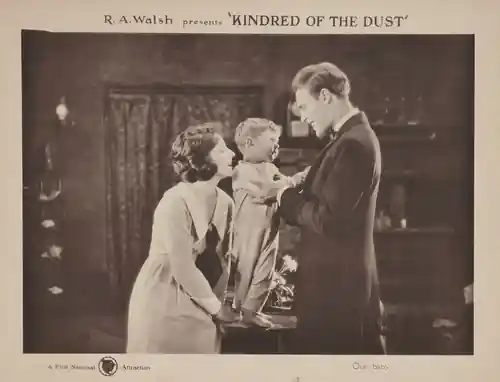
still_frame
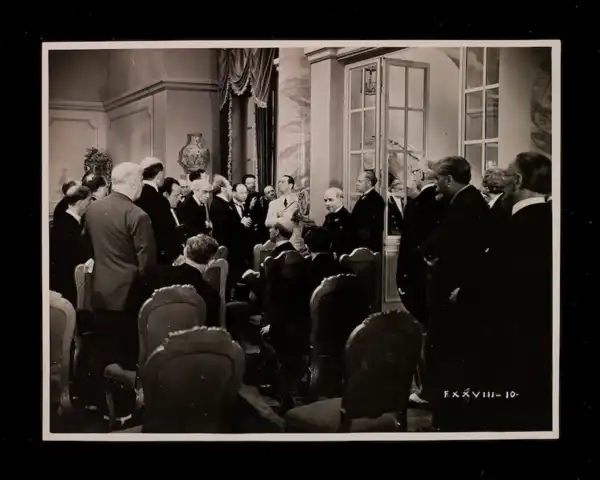

Comparing the cinematic DNA and archive impact of two defining moments in cult history.
Raoul Walsh

Raoul Walsh
Community
Log in to comment.
"The celluloid landscape of 1922 was often dominated by the grandiosity of historical epics or the frenetic energy of slapstick, yet Kindred of the Dust stands as a somber, rain-drenched monument to the complexities of human morality and the unforgiving nature of social stratification. Set against the jagged, mist-shrouded backdrop of the Puget Sound, this film—adapted from Peter B. Kyne's novel—transcends the typical tropes of the 'fallen woman' genre to offer something far more psychologically ..."
William J. Ferguson
James T. O'Donohoe, Peter B. Kyne
United States


Deep dive into the cult classic
Discover similar cinematic experiences
A Directorial Spotlight on Raoul Walsh