
DbcultAccessing Vault...
Director's Spotlight
Senior Film Conservator
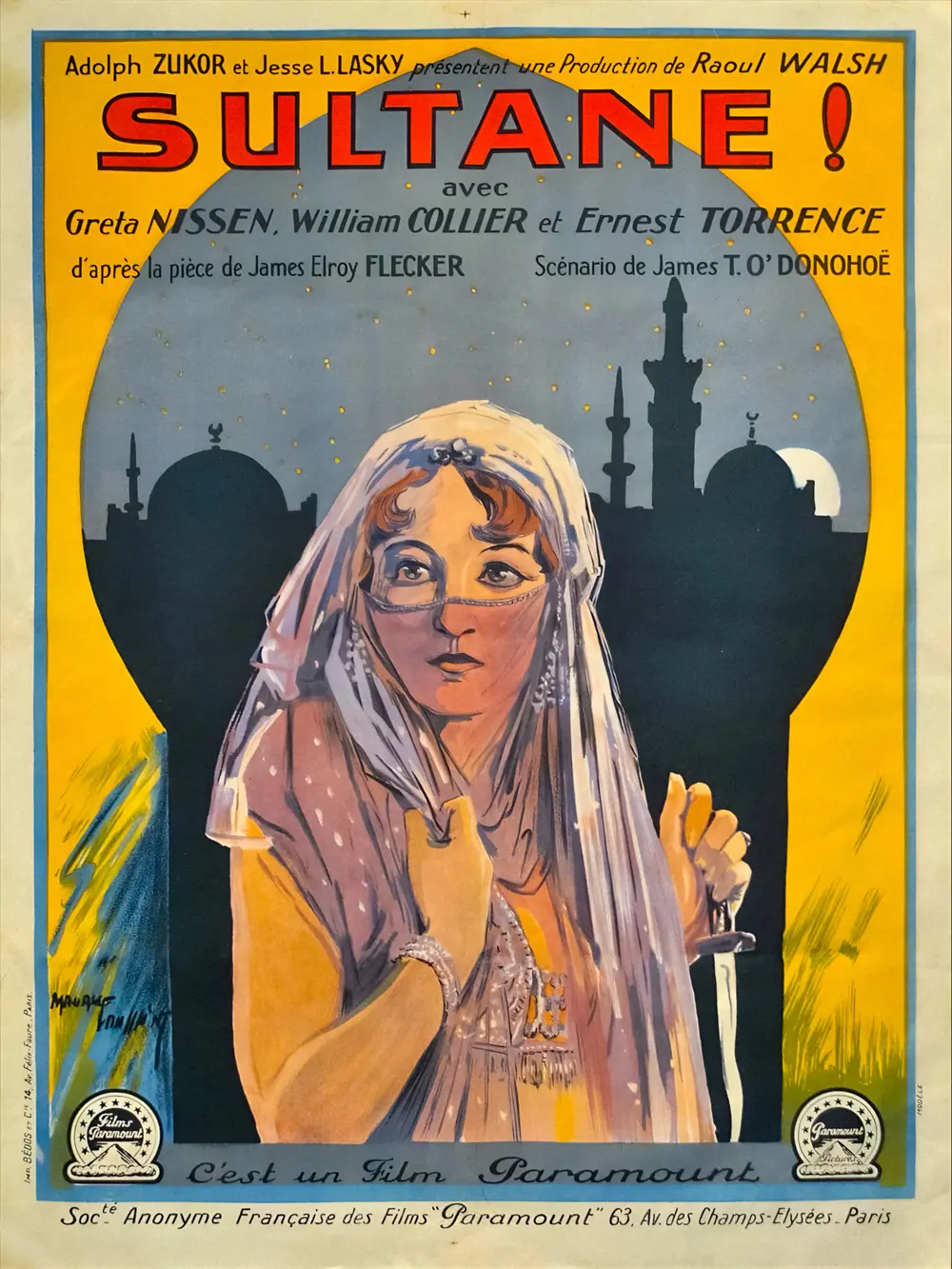
Director's Spotlight: United States
A Deep Dive into the 1926 Vision of Raoul Walsh
Peeling back the layers of Raoul Walsh's The Lady of the Harem exposes the technical innovation that Raoul Walsh introduced to the Adventure format. Driven by an uncompromising commitment to Adventure excellence, it stands as the definitive 1926 statement on Adventure identity.
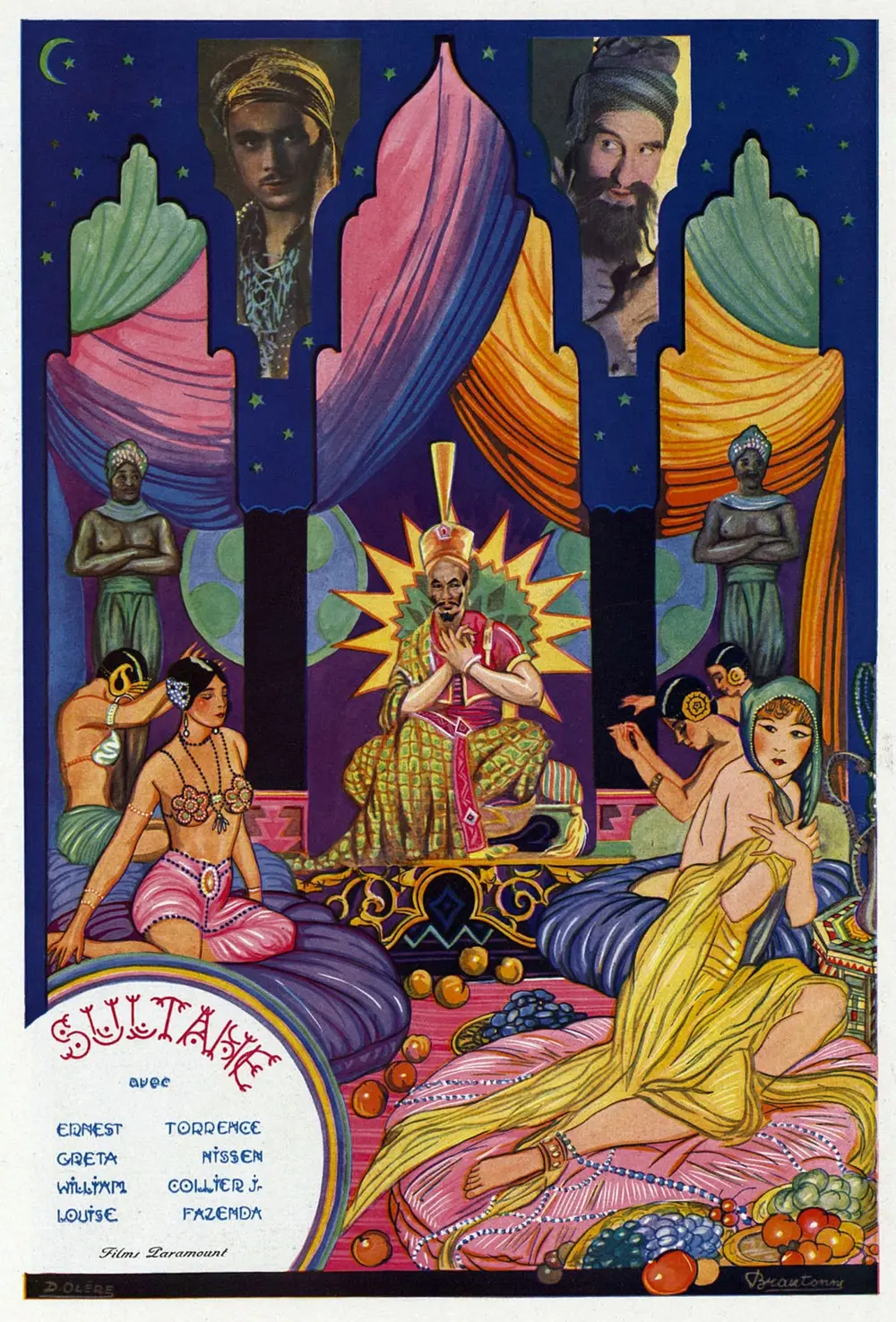
In The Lady of the Harem, Raoul Walsh pushes the boundaries of conventional narrative. The film's unique approach to its subject matter has sparked endless debates and interpretations among cinephiles and critics alike.
| Cinematography | Handheld |
| Soundtrack | Diegetic |
| Editing | Elliptical |
| Art Direction | Expressionist |
Visualizing the convergence of Raoul Walsh's style and the core Adventure narrative.
The glittering province of Khorasan groans under the heavy taxes and cruelties imposed by its tyrannical sultan; only Hassan, the kind-hearted confectioner, lives tranquilly. He joins Rafi, who arrives in the city in search of his beloved, Pervaneh, who has been taken by the sultan. In the slave market, Rafi gets enough money to buy her freedom, but she is abducted and taken to the palace by one of the sultan's men. Later, believing her dead, Rafi swears vengeance and organizes a band to terrorize the tyrant's officials. In disguise, the sultan attends a meeting of Rafi's cohorts and lures him to the palace by a message supposedly sent by Pervaneh; there the sultan stages a bacchanalian orgy to celebrate their death by torture. Hassan leads Rafi's men in a surprise attack on the palace in which the sultan is killed and his soldiers are routed. The lovers are united, and Hassan ascends the throne.
Decades after its release, The Lady of the Harem remains a vital piece of the cinematic puzzle. Its influence can be seen in countless modern works, solidifying Raoul Walsh's status as a master of the craft in United States and beyond.