
DbcultAccessing Vault...
Director's Spotlight
Senior Film Conservator
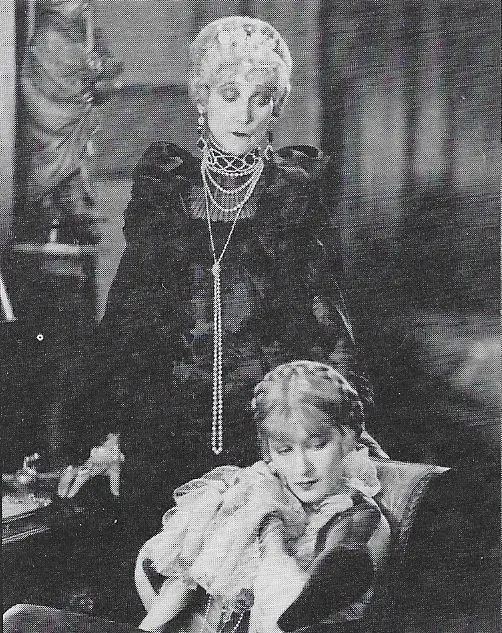
Director's Spotlight: United States
A Deep Dive into the 1926 Vision of Raoul Walsh
When we examine the cinematic landscape of United States, The Lucky Lady emerges as a landmark work of the enduring legacy of Raoul Walsh's artistic contribution to the genre. Through a lens of existential fatalism and Comedy tropes, it captures a specific kind of cinematic magic that is rarely replicated.
In The Lucky Lady, Raoul Walsh pushes the boundaries of conventional narrative. The film's unique approach to its subject matter has sparked endless debates and interpretations among cinephiles and critics alike.
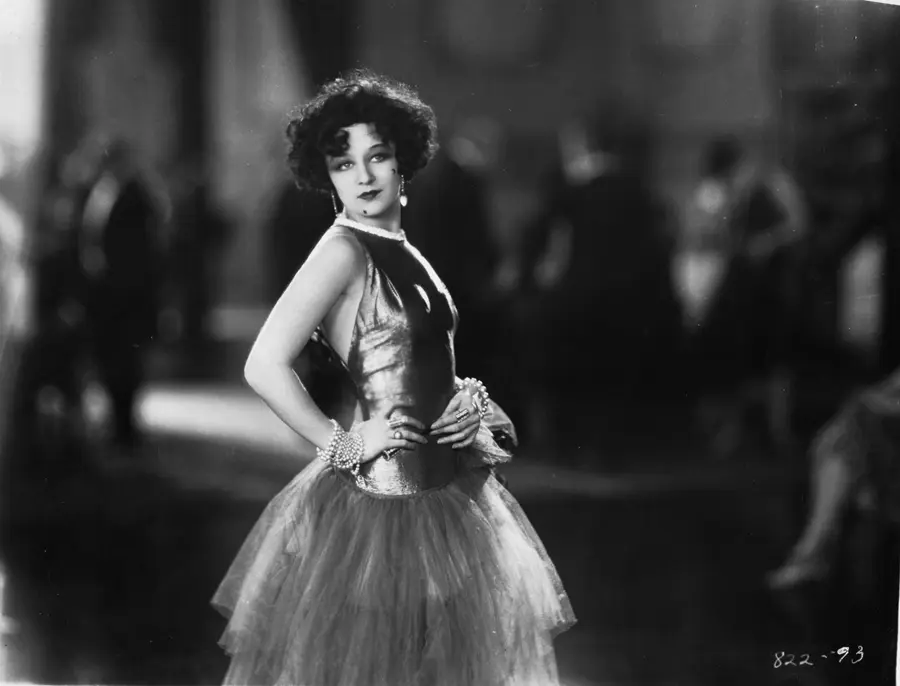
To fully appreciate The Lucky Lady, one must consider the cinematic climate of 1926. During this period, United States was undergoing significant artistic shifts, and Raoul Walsh was at the forefront of this Comedy movement, often challenging established norms.
| Cinematography | High-Contrast |
| Soundtrack | Experimental |
| Editing | Elliptical |
| Art Direction | Expressionist |
Visualizing the convergence of Raoul Walsh's style and the core Comedy narrative.
A princess falls in love with an actor, but her family want to marry her off to a duke.
Decades after its release, The Lucky Lady remains a vital piece of the cinematic puzzle. Its influence can be seen in countless modern works, solidifying Raoul Walsh's status as a master of the craft in United States and beyond.