
DbcultAccessing Vault...
Director's Spotlight
Senior Film Conservator
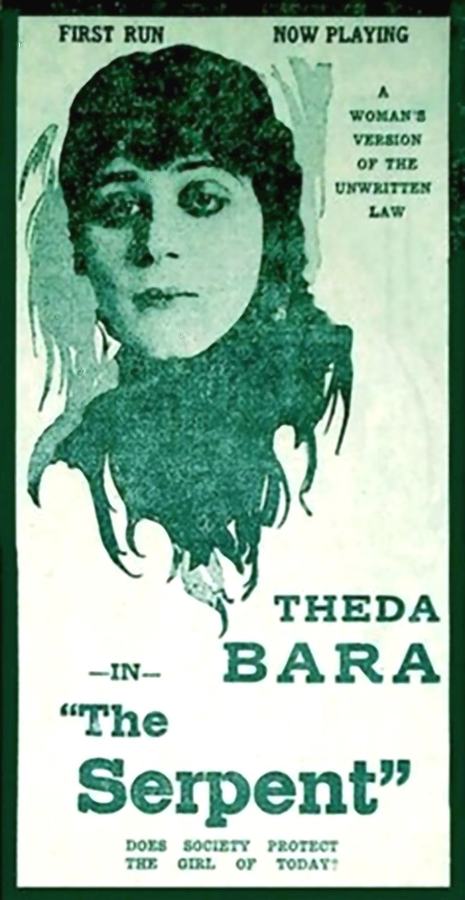
Director's Spotlight: United States
A Deep Dive into the 1916 Vision of Raoul Walsh
The thematic gravity of The Serpent (1916) is rooted in the historical context that Raoul Walsh weaves into the cult fabric. Synthesizing the best elements of United States and international cinema, it highlights the importance of independent voices in United States.
In The Serpent, Raoul Walsh pushes the boundaries of conventional narrative. The film's unique approach to its subject matter has sparked endless debates and interpretations among cinephiles and critics alike.
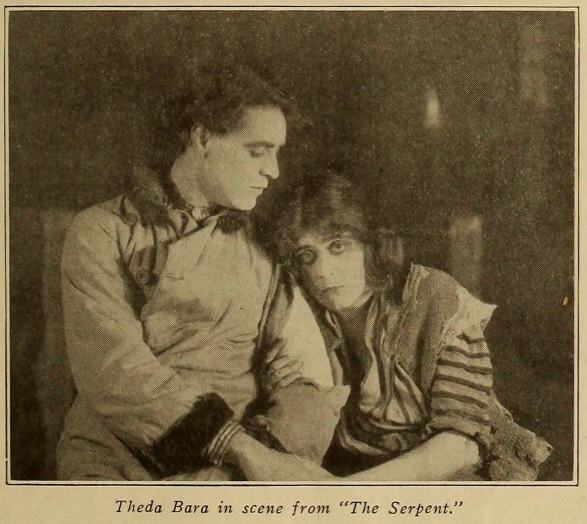
The visual language of The Serpent is defined by its use of shadows and framing, a hallmark of Raoul Walsh's style. By utilizing a 1916-era palette, the film creates an immersive experience that perfectly complements its cult themes.
| Cinematography | High-Contrast |
| Soundtrack | Orchestral |
| Editing | Invisible |
| Art Direction | Kitsch |
Visualizing the convergence of Raoul Walsh's style and the core cult narrative.
Peasant girl Vania is assaulted by a duke who murders her lover and sends her away to London. There she becomes a famous actress. The Duke, seeing her perform but not recognizing her, hears that his son is wounded. "If anything should happen to my boy, I think it would kill me." That's all the motivation Vania needs to go to the front, find the one-armed paralyzed boy and marry him. Next she arranges to make love to his father just as the boy enters the room, causing the young man to blow out his brains.
Decades after its release, The Serpent remains a vital piece of the cinematic puzzle. Its influence can be seen in countless modern works, solidifying Raoul Walsh's status as a master of the craft in United States and beyond.