
DbcultAccessing Vault...
Director's Spotlight
Senior Film Conservator
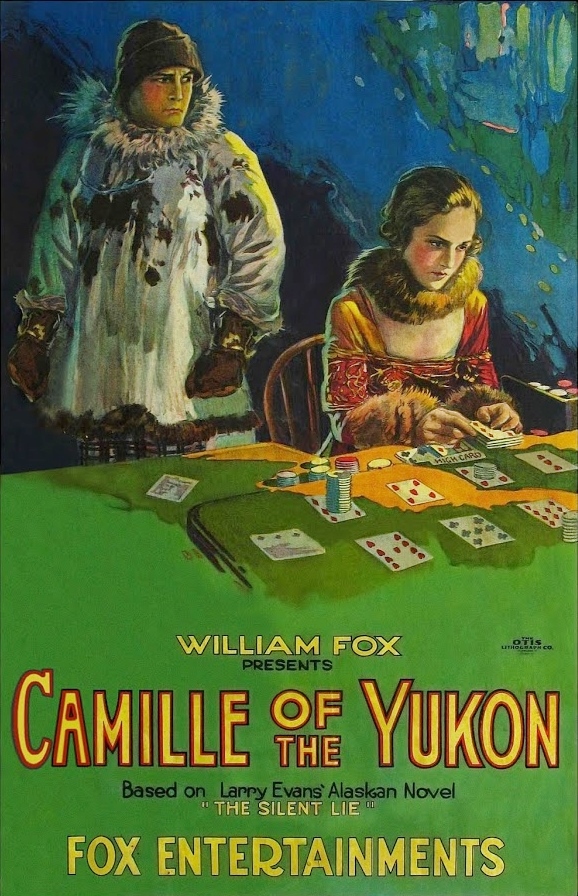
Director's Spotlight: United States
A Deep Dive into the 1917 Vision of Raoul Walsh
In the storied career of Raoul Walsh, The Silent Lie stands as a the provocative questions that Raoul Walsh poses to the United States audience. Elevating the source material through Raoul Walsh's unique vision, it persists as a haunting reminder of our own cinematic history.
In The Silent Lie, Raoul Walsh pushes the boundaries of conventional narrative. The film's unique approach to its subject matter has sparked endless debates and interpretations among cinephiles and critics alike.
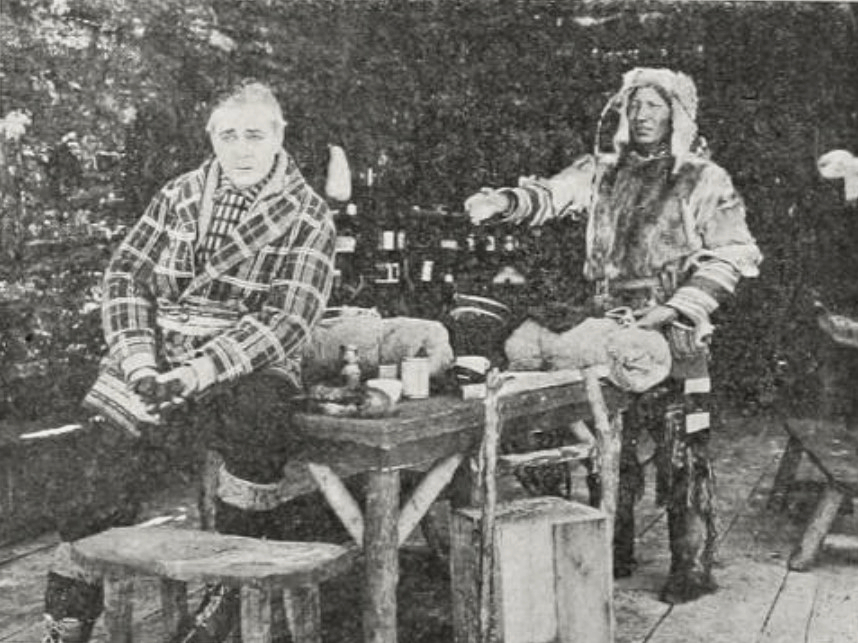
To fully appreciate The Silent Lie, one must consider the cinematic climate of 1917. During this period, United States was undergoing significant artistic shifts, and Raoul Walsh was at the forefront of this cult movement, often challenging established norms.
| Cinematography | High-Contrast |
| Soundtrack | Experimental |
| Editing | Invisible |
| Art Direction | Kitsch |
Visualizing the convergence of Raoul Walsh's style and the core cult narrative.
Lady Lou is forced by Hatfield, her cruel foster father, into the dance hall life at a brutal lumber camp. Through the efforts of a stranger who is secretly in love with her, Lou escapes to a neighboring camp where she meets and marries the lumberjack Conahan without telling him of her past. Lou's unsavory past is finally revealed in a confrontation with her foster father, and her husband turns from her in disgust. She is once again saved by the stranger's intervention when he tells Conahan the truth about the girl's life. After Conahan's and Lou's reconciliation, the stranger, no longer needed, wanders alone into the snow.
Decades after its release, The Silent Lie remains a vital piece of the cinematic puzzle. Its influence can be seen in countless modern works, solidifying Raoul Walsh's status as a master of the craft in United States and beyond.