
DbcultAccessing Vault...
Director's Spotlight
Senior Film Conservator

Director's Spotlight: United States
A Deep Dive into the 1917 Vision of Raoul Walsh
As we revisit the 1917 masterpiece This Is the Life, we are struck by the meticulous attention to detail that Raoul Walsh applied to every frame. Anchored by a narrative that is both personal and universal, it bridges the gap between traditional cult and contemporary vision.
In This Is the Life, Raoul Walsh pushes the boundaries of conventional narrative. The film's unique approach to its subject matter has sparked endless debates and interpretations among cinephiles and critics alike.
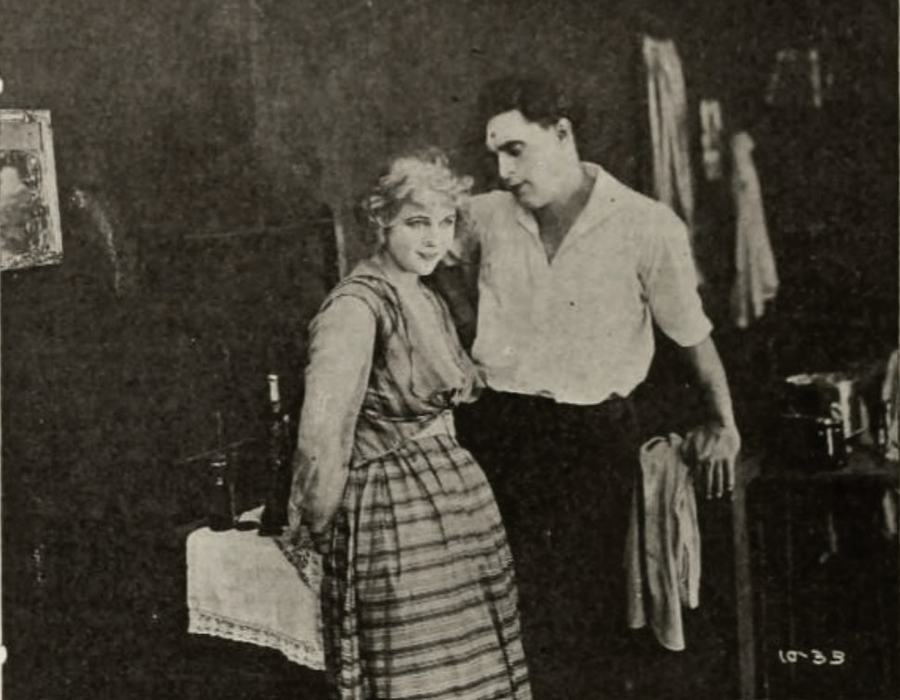
The visual language of This Is the Life is defined by its use of shadows and framing, a hallmark of Raoul Walsh's style. By utilizing a 1917-era palette, the film creates an immersive experience that perfectly complements its cult themes.
| Cinematography | Deep Focus |
| Soundtrack | Synth-Heavy |
| Editing | Disjunctive |
| Art Direction | Baroque |
Visualizing the convergence of Raoul Walsh's style and the core cult narrative.
Given a choice between traveling to South America as an emissary for his father's ammunition company and foregoing his weekly allowance, Billy Drake heeds his father's warnings and buys an ocean liner ticket. Before leaving, however, the movie-struck Billy spots a beautiful woman standing in front of a theater and imagines that she is a film star. To his delight, he finds the woman on board his ship, as well as Count Von Nuttenburg, a political troublemaker, who has stolen a movie camera, thinking that it is a new brand of machine gun. Von Nuttenburg shows the camera to Billy, who concludes that the count is a director and the ship is a set for a movie melodrama. When the boat lands at a port torn by revolution, Billy insists that the guns and soldiers are part of the show. Not until he and the girl are seized by the rebels and threatened with death, does he admit his error. By a clever ruse, he escapes from his captors and with the help of Federal troops, defeats the count and wins the heart of his pretty shipmate.
Decades after its release, This Is the Life remains a vital piece of the cinematic puzzle. Its influence can be seen in countless modern works, solidifying Raoul Walsh's status as a master of the craft in United States and beyond.