
DbcultAccessing Vault...
Director's Spotlight
Senior Film Conservator
Director's Spotlight: United States
A Deep Dive into the 1927 Vision of Ray Enright
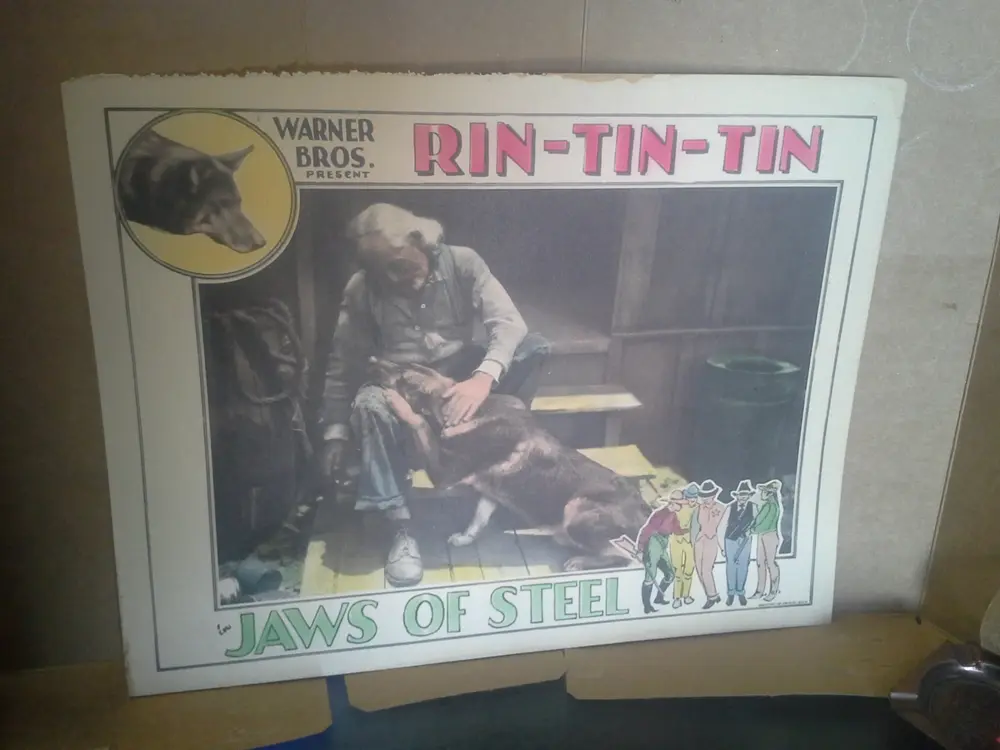
Deciphering the layers of Jaws of Steel (1927) reveals the complex thematic architecture established by Ray Enright. Utilizing a 1927-specific aesthetic that remains timeless, it stands as the definitive 1927 statement on Drama identity.
In Jaws of Steel, Ray Enright pushes the boundaries of conventional narrative. The film's unique approach to its subject matter has sparked endless debates and interpretations among cinephiles and critics alike.

In this work, Ray Enright explores the intersection of Drama and United States cultural identity. The meticulous attention to detail suggests a deep-seated commitment to pushing the boundaries of the medium, ensuring that Jaws of Steel remains a relevant topic of study for Drama enthusiasts.
| Cinematography | Deep Focus |
| Soundtrack | Minimalist |
| Editing | Slow-Burn |
| Art Direction | Brutalist |
Visualizing the convergence of Ray Enright's style and the core Drama narrative.
Rinty (Rin-Tin-Tin) has to live down a false accusation of being a vicious killer he does so by protecting a baby girl (Mary Louise Miller) from a multiplicity of hazards.
Decades after its release, Jaws of Steel remains a vital piece of the cinematic puzzle. Its influence can be seen in countless modern works, solidifying Ray Enright's status as a master of the craft in United States and beyond.