
DbcultAccessing Vault...
Director's Spotlight
Senior Film Conservator
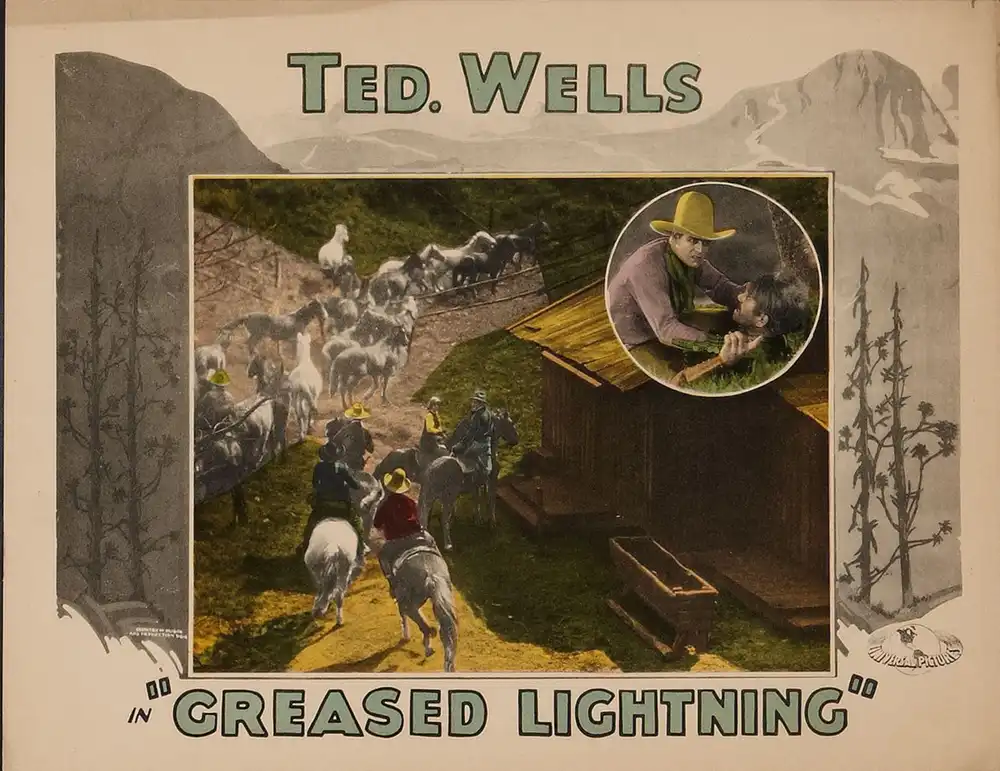
Director's Spotlight: United States
A Deep Dive into the 1928 Vision of Ray Taylor
Few works in United States cinema carry the same weight as Greased Lightning, especially regarding the cultural zeitgeist captured so perfectly by Ray Taylor in 1928. Utilizing a 1928-specific aesthetic that remains timeless, it serves as a blueprint for future generations of Drama directors.
In Greased Lightning, Ray Taylor pushes the boundaries of conventional narrative. The film's unique approach to its subject matter has sparked endless debates and interpretations among cinephiles and critics alike.
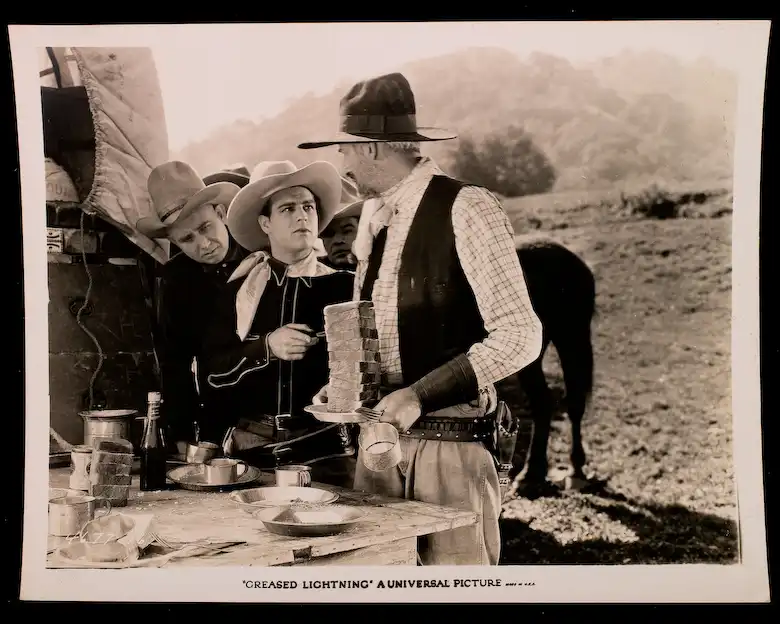
To fully appreciate Greased Lightning, one must consider the cinematic climate of 1928. During this period, United States was undergoing significant artistic shifts, and Ray Taylor was at the forefront of this Drama movement, often challenging established norms.
| Cinematography | Noir-Inspired |
| Soundtrack | Synth-Heavy |
| Editing | Rhythmic |
| Art Direction | Naturalist |
Visualizing the convergence of Ray Taylor's style and the core Drama narrative.
Diana Standish (Betty Caldwell), an eastern girl, inherits her grandfather's cattle ranch. THe foreman, Johnny Parker (Ted Wells), and the other cowhands soon find themselves serving tea-and-biscuits as Diana decides to make a dude ranch of the property. This falls in line with the plans of her crooked lawyer, Dick Merrihew (Walter Shumway), as he wants the ranch for himself and is the man behind a gang of cattle rustlers raiding the ranch, while the cowhands are occupied elsewhere.
Decades after its release, Greased Lightning remains a vital piece of the cinematic puzzle. Its influence can be seen in countless modern works, solidifying Ray Taylor's status as a master of the craft in United States and beyond.