
DbcultAccessing Vault...
Director's Spotlight
Senior Film Conservator
Director's Spotlight: United States
A Deep Dive into the 1917 Vision of Raymond B. West
The cult DNA of Madcap Madge is a reflection of United States's the historical context that Raymond B. West weaves into the cult fabric. Challenging the viewer to find meaning in the cult shadows, it transcends regional boundaries to tell a universal story.
In Madcap Madge, Raymond B. West pushes the boundaries of conventional narrative. The film's unique approach to its subject matter has sparked endless debates and interpretations among cinephiles and critics alike.
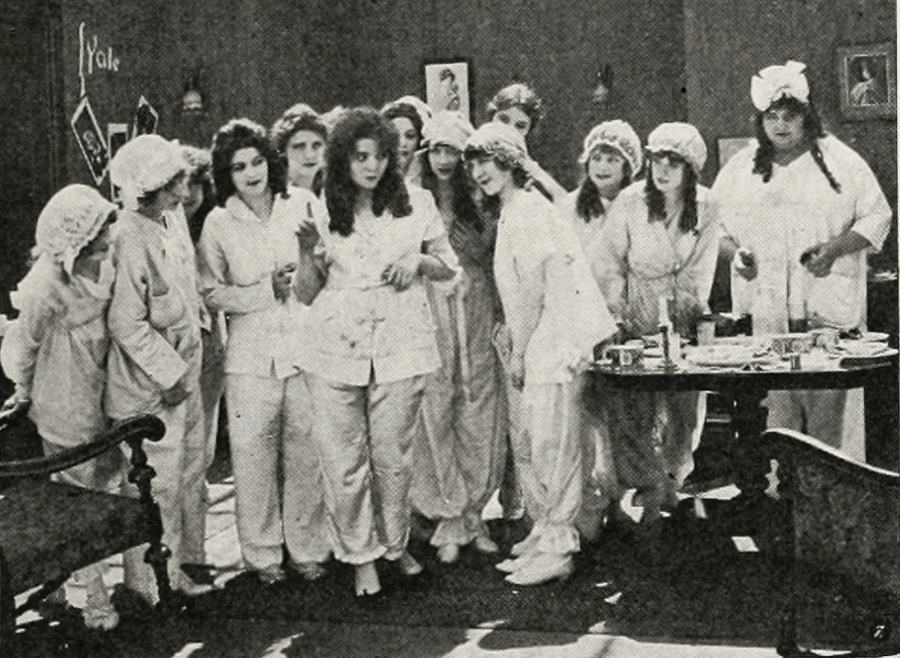
In this work, Raymond B. West explores the intersection of cult and United States cultural identity. The meticulous attention to detail suggests a deep-seated commitment to pushing the boundaries of the medium, ensuring that Madcap Madge remains a relevant topic of study for cult enthusiasts.
| Cinematography | Handheld |
| Soundtrack | Diegetic |
| Editing | Rhythmic |
| Art Direction | Naturalist |
Visualizing the convergence of Raymond B. West's style and the core cult narrative.
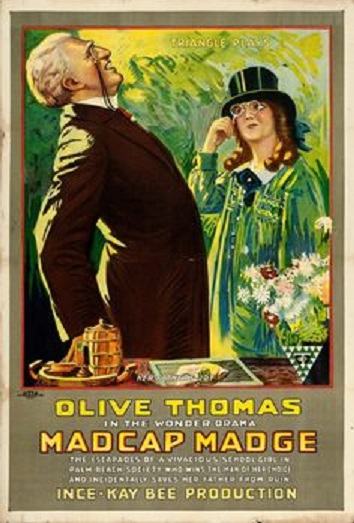
The social climbing Flower family is comprised of Mr. Flower, a banker who has overextended himself financially, Mrs. Flower, a socially ambitious mother, Julia Flower, a marriage-minded elder daughter and Madge Flower, a high-spirited younger daughter. When Madge is expelled from boarding school for her practical jokes and pranks, she joins her mother and sister in Palm Beach, where they are wintering, in hopes of snaring a titled husband for Julia. Julia, fearful that her little sister will impair her success on the marriage market, forces Madge to dress as a child of ten. Julia has her sights set on the Earl of Larsdale, but after a series of misadventures, Madge elopes with the young man who turns out not to be an earl at all, but a prosperous young American who is holding her father's notes. Thus, she saves the day for the Flower family.
Decades after its release, Madcap Madge remains a vital piece of the cinematic puzzle. Its influence can be seen in countless modern works, solidifying Raymond B. West's status as a master of the craft in United States and beyond.