
DbcultAccessing Vault...
Director's Spotlight
Senior Film Conservator
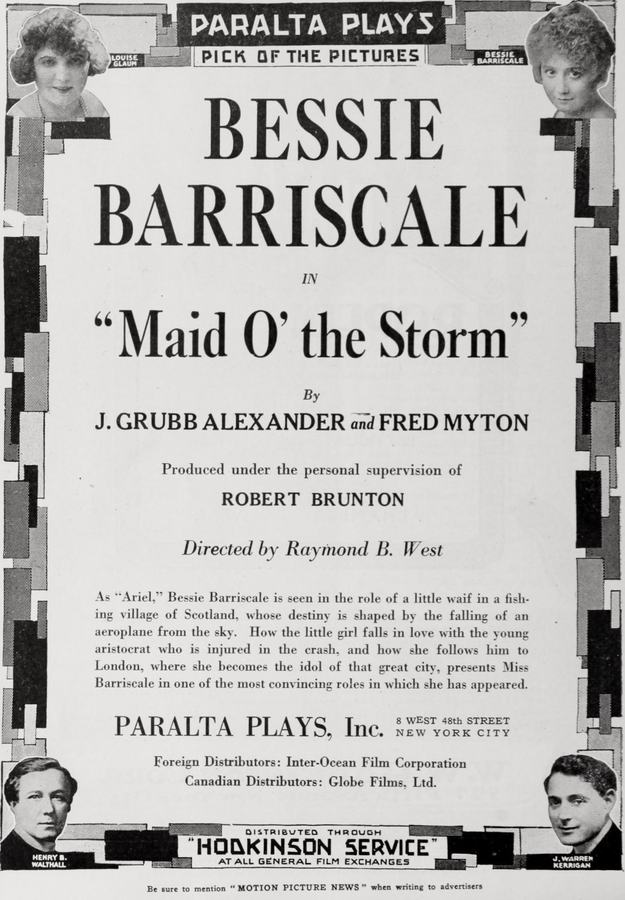
Director's Spotlight: United States
A Deep Dive into the 1918 Vision of Raymond B. West
The artistic breakthrough represented by Maid o' the Storm in 1918 highlights the uncompromising vision of Raymond B. West that defines this cult masterpiece. In the context of United States's rich cinematic history, it captures a specific kind of cinematic magic that is rarely replicated.
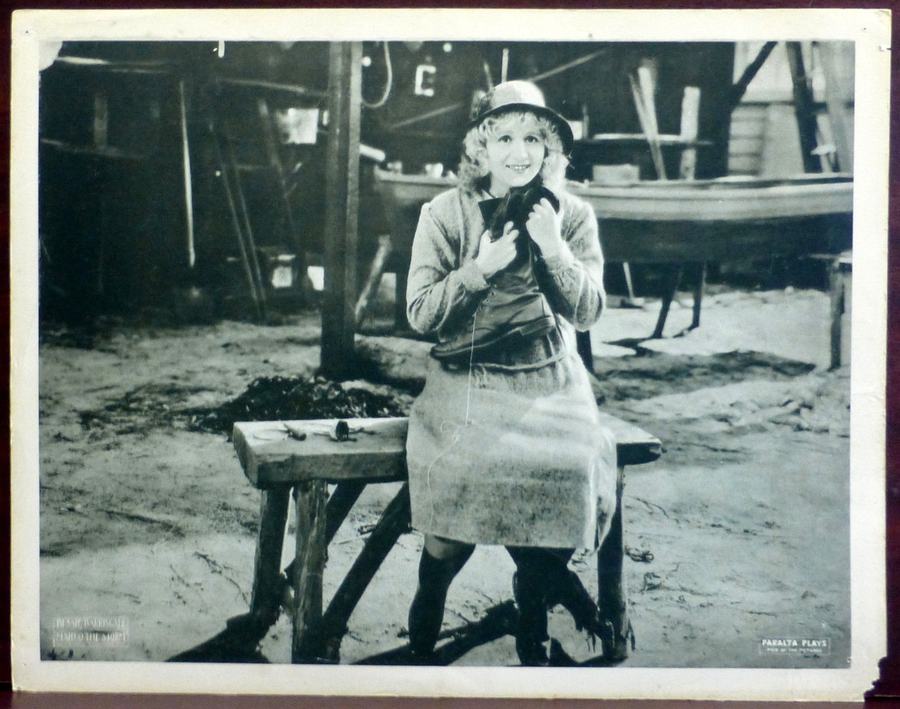
In Maid o' the Storm, Raymond B. West pushes the boundaries of conventional narrative. The film's unique approach to its subject matter has sparked endless debates and interpretations among cinephiles and critics alike.
| Cinematography | Deep Focus |
| Soundtrack | Orchestral |
| Editing | Invisible |
| Art Direction | Kitsch |
Visualizing the convergence of Raymond B. West's style and the core cult narrative.
Scottish fisherman Andy MacTavish rescues a baby whom he discovers washed up on the shore during a storm, and names her Ariel. As a girl, Ariel often dances on the beach and dreams of a man who will appear to her out of the mist. Her dream comes true when she witnesses an airplane crash in which the pilot, Franklin Shirley, is injured. Andy and Ariel care for Franklin until he recovers his health, after which he returns home. Having fallen in love with Franklin, Ariel follows him to London, where, with the encouragement of impresario Abe Strohman, she becomes a renowned dancer. Now Franklin's social equal, Ariel uses all her wiles to win his love, despite the fact that he is already engaged to Elaine Shackleford. When Elaine's mother asks her to give him up, however, she reluctantly agrees and prepares to give herself to Strohman. Elaine surprises everyone by eloping with Richard Barrows, leaving Franklin free to wed his dancer.
Decades after its release, Maid o' the Storm remains a vital piece of the cinematic puzzle. Its influence can be seen in countless modern works, solidifying Raymond B. West's status as a master of the craft in United States and beyond.