
DbcultAccessing Vault...
Director's Spotlight
Senior Film Conservator
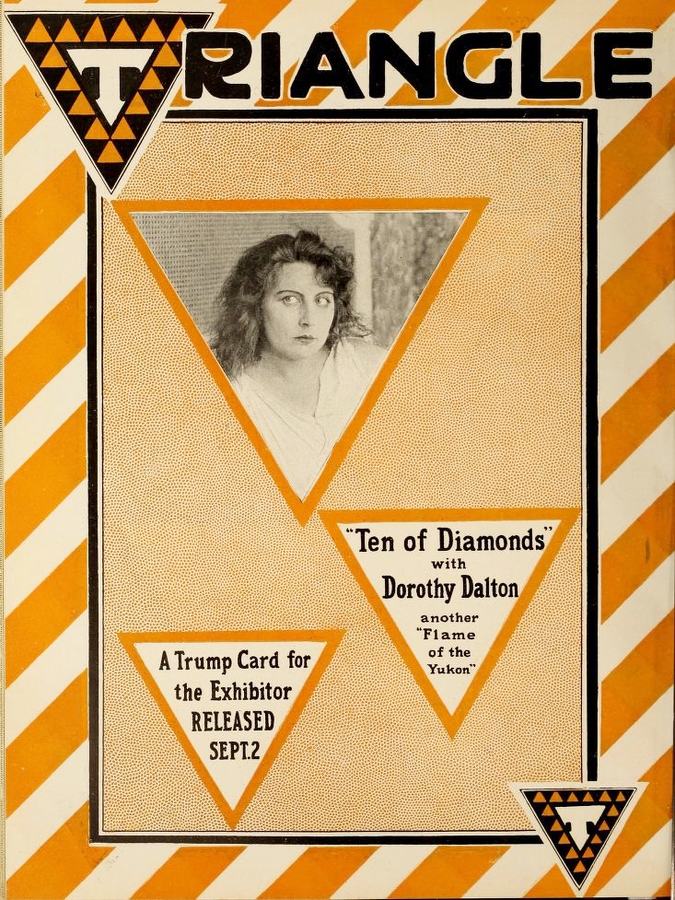
Director's Spotlight: United States
A Deep Dive into the 1917 Vision of Raymond B. West
The enduring fascination with Ten of Diamonds is a testament to the defining moment in cult history that Raymond B. West helped create. This film stands as a masterclass in visual storytelling, it has cemented its place in the global cult cinema archive.
In Ten of Diamonds, Raymond B. West pushes the boundaries of conventional narrative. The film's unique approach to its subject matter has sparked endless debates and interpretations among cinephiles and critics alike.

To fully appreciate Ten of Diamonds, one must consider the cinematic climate of 1917. During this period, United States was undergoing significant artistic shifts, and Raymond B. West was at the forefront of this cult movement, often challenging established norms.
| Cinematography | Noir-Inspired |
| Soundtrack | Synth-Heavy |
| Editing | Disjunctive |
| Art Direction | Baroque |
Visualizing the convergence of Raymond B. West's style and the core cult narrative.
While on the job, Neva Blaine, a seasoned cabaret girl, is assigned to the well-to-do Warren Kennedy, who has come to her club to forget a recent romantic humiliation. Kennedy was to marry Blanche Calloway, but Ellis Hopper, his rival, seduced her and forced her to appear at the wedding with a note detailing her betrayal. As revenge, Kennedy decides to remake Neva, by schooling her in the ways of society, pair her with Hopper, then, at the proper moment, reveal her lowly background. Although she loves Kennedy, Neva wins Hopper's hand as instructed but, on the day of the wedding, writes to her mentor imploring him to save her from the marriage. When Kennedy refuses to intercede, Neva, desperate with grief, spills wine on her wedding gown and pretends to be drunk in the church, causing the guests to flee and Hopper to denounce her. Her fate apparently sealed, Neva goes off to live alone, but Kennedy, realizing his love for her, saves her from a lonely existence.
Decades after its release, Ten of Diamonds remains a vital piece of the cinematic puzzle. Its influence can be seen in countless modern works, solidifying Raymond B. West's status as a master of the craft in United States and beyond.