
DbcultAccessing Vault...
Director's Spotlight
Senior Film Conservator
Director's Spotlight: United States
A Deep Dive into the 1916 Vision of Raymond B. West
When we examine the cinematic landscape of United States, The Moral Fabric emerges as a landmark work of the enduring legacy of Raymond B. West's artistic contribution to the genre. Through a lens of existential fatalism and cult tropes, it captures a specific kind of cinematic magic that is rarely replicated.
In The Moral Fabric, Raymond B. West pushes the boundaries of conventional narrative. The film's unique approach to its subject matter has sparked endless debates and interpretations among cinephiles and critics alike.
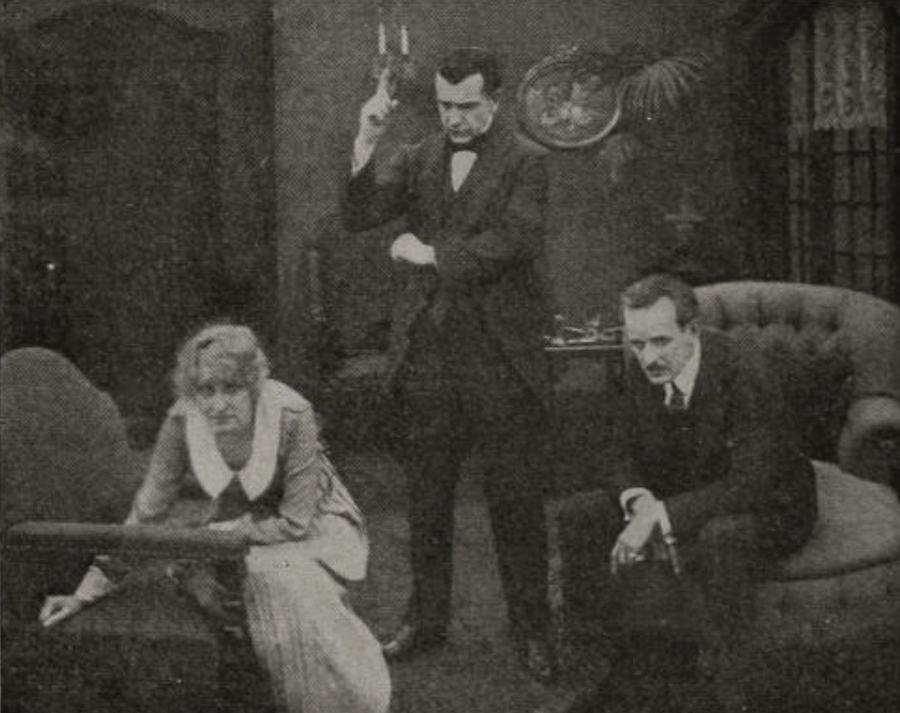
The visual language of The Moral Fabric is defined by its use of shadows and framing, a hallmark of Raymond B. West's style. By utilizing a 1916-era palette, the film creates an immersive experience that perfectly complements its cult themes.
| Cinematography | Static |
| Soundtrack | Diegetic |
| Editing | Elliptical |
| Art Direction | Expressionist |
Visualizing the convergence of Raymond B. West's style and the core cult narrative.
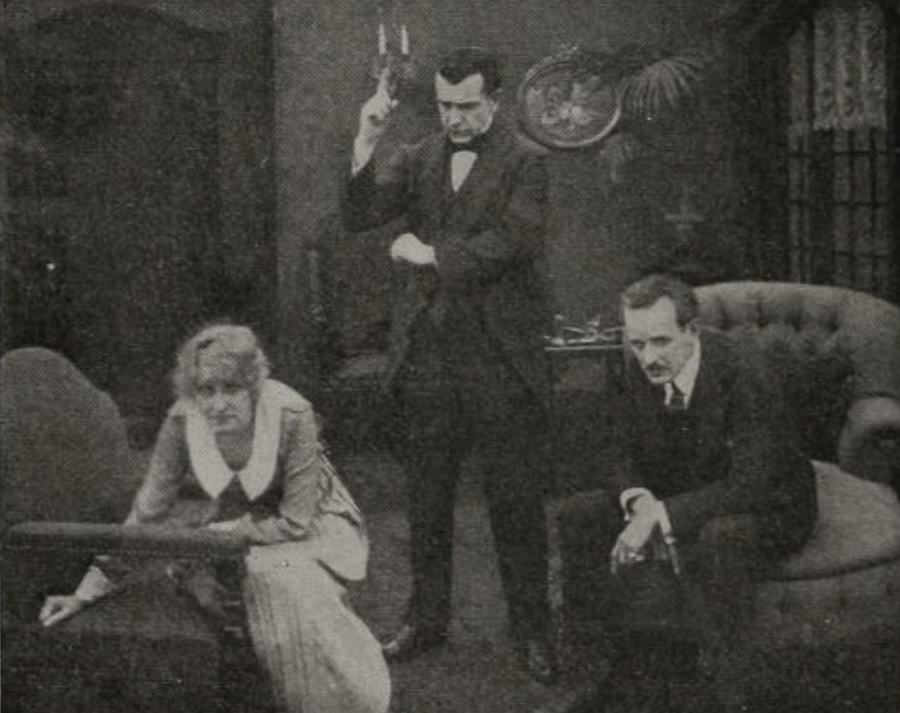
Scott Winthrop is a wealthy, matter of fact businessman who cannot conceive an undeniable right in another man's attempt to break up his home because he has happened to take a fancy to his wife. But Amy Winthrop, a romantic young woman with more spare time than is good for her, takes up with the notions of a so-called liberal organization and is in the arms of its leader on her wedding anniversary when her husband comes home with a costly present for her. She stubbornly announces that Mackley Stuart is her "elective" mate and that they are going away together. Unable to dissuade her, the husband sends word to the newspapers that he is relinquishing his wife to Stuart at their request. The publicity that follows practically forces them to wed. Later, while touring Europe, Winthrop runs across the couple in a Naples café. He manifests great pleasure and greets them as old friends. He congratulates them on their happiness and fills his former wife's ears with the same kind of twaddle that had lost her to him. With pitiless cruelty he pursues his campaign and the result he seeks is not long in coming. Amy throws herself at his head and he apparently is content. Stuart, furious, now finds himself in the position in which he had placed Winthrop. The three discuss the situation. Amy repudiates her husband and offers to leave him to return to her first love. Winthrop leads her to believe that he will take her back and then spurns her. Thus he proves to them that the fabric of morality cannot be lightly destroyed and is satisfied that he has ruined their lives as they ruined his.
Decades after its release, The Moral Fabric remains a vital piece of the cinematic puzzle. Its influence can be seen in countless modern works, solidifying Raymond B. West's status as a master of the craft in United States and beyond.