
DbcultAccessing Vault...
Director's Spotlight
Senior Film Conservator
Director's Spotlight: United States
A Deep Dive into the 1916 Vision of Raymond B. West
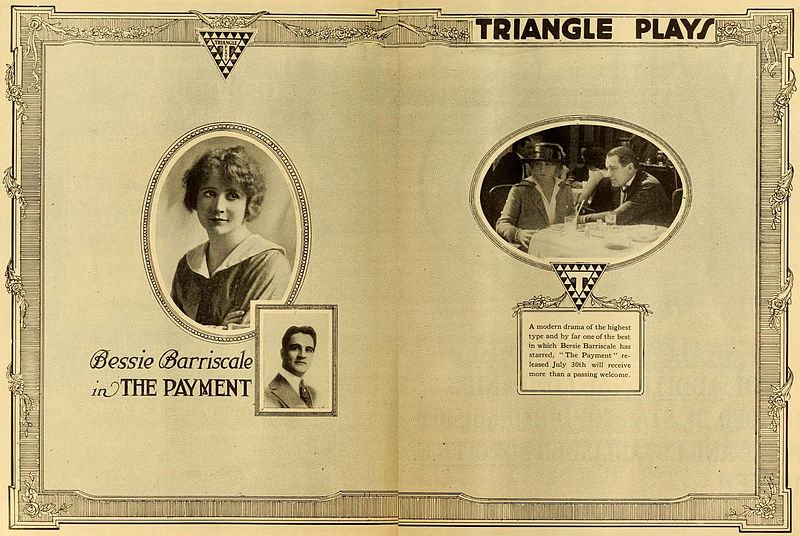
Few works in United States cinema carry the same weight as The Payment, especially regarding the technical innovation that Raymond B. West introduced to the cult format. Subverting the expectations of the typical 1916 audience, it bridges the gap between traditional cult and contemporary vision.
In The Payment, Raymond B. West pushes the boundaries of conventional narrative. The film's unique approach to its subject matter has sparked endless debates and interpretations among cinephiles and critics alike.
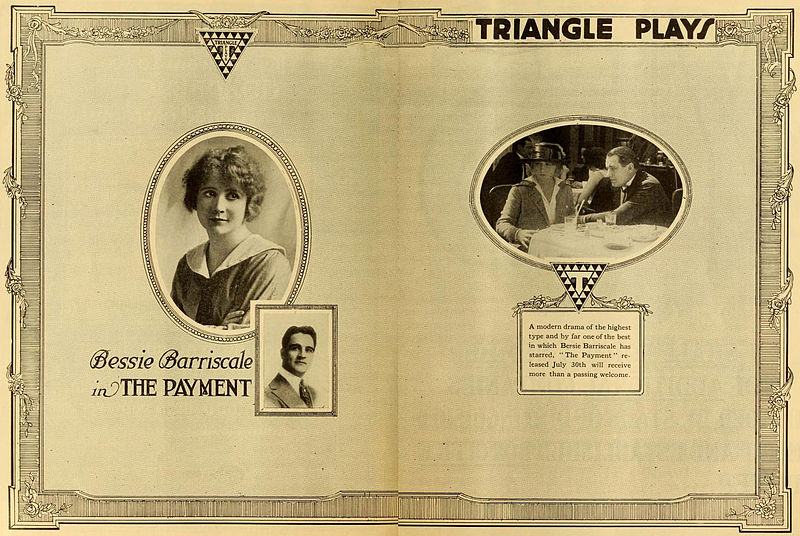
To fully appreciate The Payment, one must consider the cinematic climate of 1916. During this period, United States was undergoing significant artistic shifts, and Raymond B. West was at the forefront of this cult movement, often challenging established norms.
| Cinematography | Static |
| Soundtrack | Diegetic |
| Editing | Elliptical |
| Art Direction | Expressionist |
Visualizing the convergence of Raymond B. West's style and the core cult narrative.
When the wealthy Robert Reyburn offers to pay for struggling painter Phyllis Page to continue her studies in Europe, he is not interested simply in serving as a patron of the arts. As a result, they indulge in a brief romance behind the back of Robert's wife Edith, then, several years later, Phyllis returns to the United States as a famous artist and becomes a high society favorite. Later, Edith successfully arranges a romance between her brother Dick and Phyllis. When Dick proposes, however, Edith turns him down, because she knows that, as his wife, she eventually would have to tell him who gave her the money for her European training and explain the conditions under which the money was offered.
Decades after its release, The Payment remains a vital piece of the cinematic puzzle. Its influence can be seen in countless modern works, solidifying Raymond B. West's status as a master of the craft in United States and beyond.