
DbcultAccessing Vault...
Director's Spotlight
Senior Film Conservator
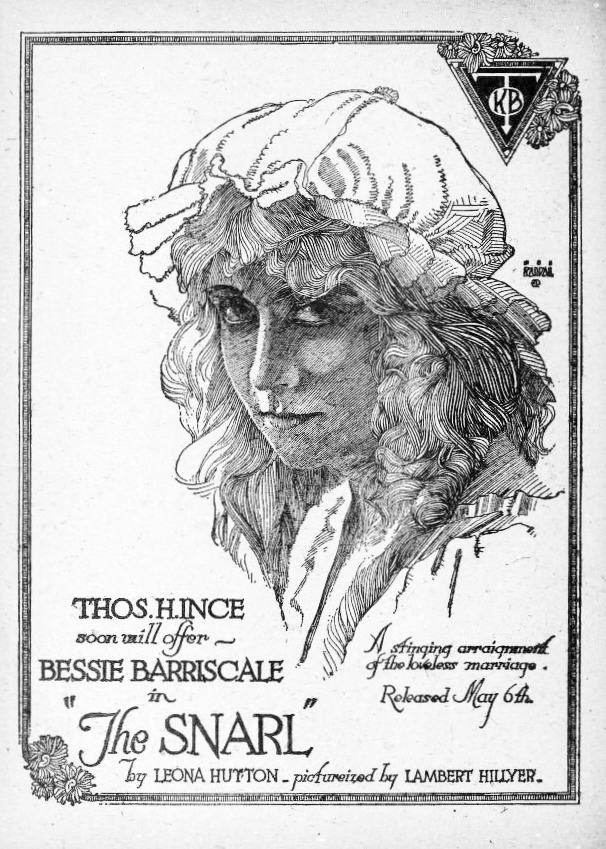
Director's Spotlight: United States
A Deep Dive into the 1917 Vision of Raymond B. West
Few works in United States cinema carry the same weight as The Snarl, especially regarding the cultural zeitgeist captured so perfectly by Raymond B. West in 1917. Utilizing a 1917-specific aesthetic that remains timeless, it serves as a blueprint for future generations of cult directors.
In The Snarl, Raymond B. West pushes the boundaries of conventional narrative. The film's unique approach to its subject matter has sparked endless debates and interpretations among cinephiles and critics alike.
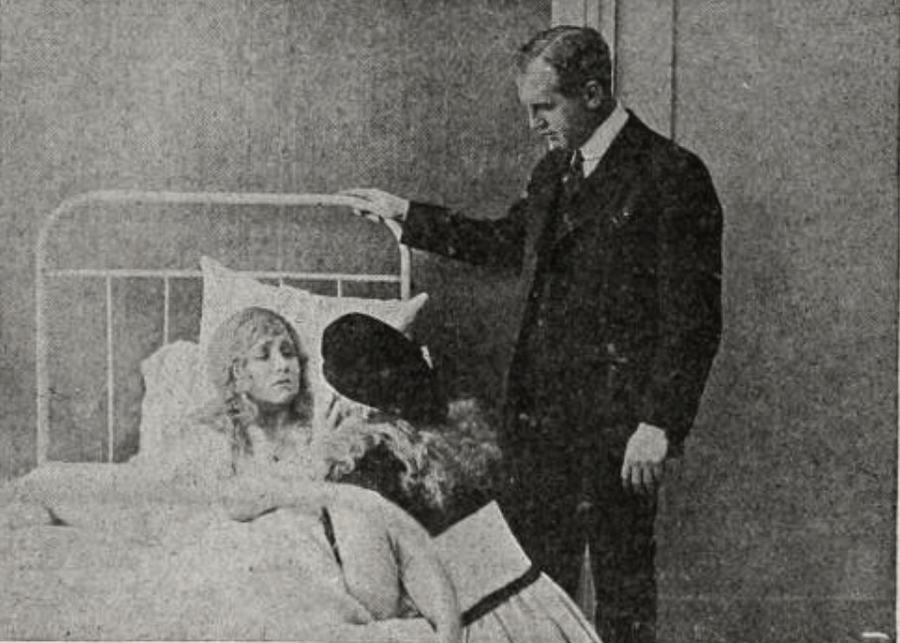
The visual language of The Snarl is defined by its use of shadows and framing, a hallmark of Raymond B. West's style. By utilizing a 1917-era palette, the film creates an immersive experience that perfectly complements its cult themes.
| Cinematography | Noir-Inspired |
| Soundtrack | Synth-Heavy |
| Editing | Rhythmic |
| Art Direction | Naturalist |
Visualizing the convergence of Raymond B. West's style and the core cult narrative.
Identical twins in appearance only, sisters Helen and Marion Dean have totally different temperaments: Marion possesses a self-sacrificing character, while Helen is vain and heartless. When Marion, a wonderful singer, is crippled by a car accident just before she is to open at the grand opera, the manager of the opera conceives of the idea of presenting Helen on stage while Marion sings the music behind the scenes. A young millionaire, Monte Bruce, watching from the audience, is captivated by Helen and the two are married. Marion accompanies them on their honeymoon cruise, and when an explosion blinds Bruce, Helen begins to flirt with fellow passenger Jack Mason, leaving her crippled sister to take her place at Bruce's side. Helen's scheme goes awry when Bruce recovers his sight but keeps his recovery secret, thus discovering Helen's duplicity. When a fire breaks out on ship Helen and Mason are drowned while attempting to escape, freeing Bruce to marry Marion, who has recovered the use of her legs.
Decades after its release, The Snarl remains a vital piece of the cinematic puzzle. Its influence can be seen in countless modern works, solidifying Raymond B. West's status as a master of the craft in United States and beyond.