
DbcultAccessing Vault...
Director's Spotlight
Senior Film Conservator
Director's Spotlight: United States
A Deep Dive into the 1917 Vision of Raymond B. West
The enduring fascination with Whither Thou Goest is a testament to the defining moment in cult history that Raymond B. West helped create. This film stands as a masterclass in visual storytelling, it has cemented its place in the global cult cinema archive.
In Whither Thou Goest, Raymond B. West pushes the boundaries of conventional narrative. The film's unique approach to its subject matter has sparked endless debates and interpretations among cinephiles and critics alike.
To fully appreciate Whither Thou Goest, one must consider the cinematic climate of 1917. During this period, United States was undergoing significant artistic shifts, and Raymond B. West was at the forefront of this cult movement, often challenging established norms.
| Cinematography | High-Contrast |
| Soundtrack | Orchestral |
| Editing | Slow-Burn |
| Art Direction | Brutalist |
Visualizing the convergence of Raymond B. West's style and the core cult narrative.
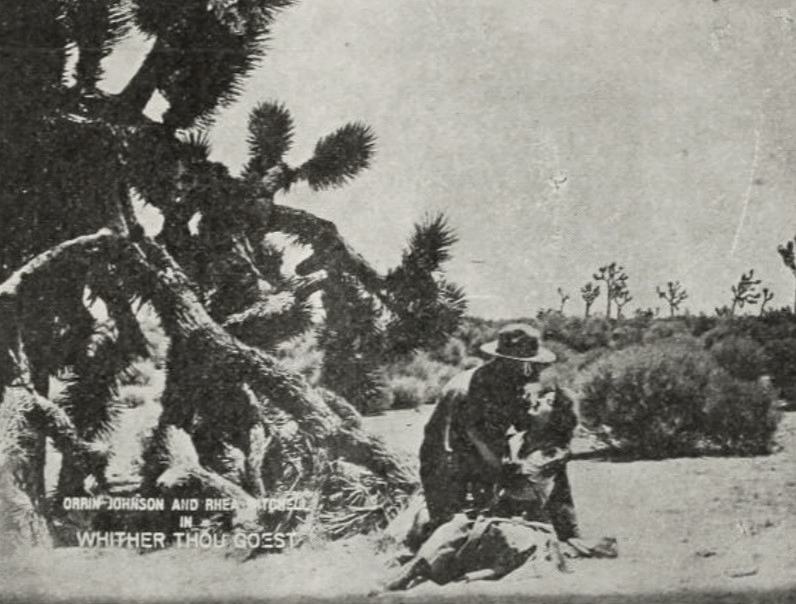
Seized with a fainting spell during a polo game, Donald Van Wye is given six months to live and told he must go to Arizona. His brother Tom, an irresponsible college youth, is wired to come home and take Donald's place. When Tom arrives, Donald finds that his little brother has committed himself to an actress named Maizie. Donald pleads with the actress to give Tom up, but when she refuses, Donald marries her in order to save his brother. The couple go to Arizona where their love ripens, and through Maizie's prayers, Donald regains his health. Mrs. Van Wye then comes to visit and tells Maizie that she is preventing Donald from assuming his rightful place in society. Crushed, Maizie starts across the desert alone, and when Donald learns of his mother's dreadful behavior, he follows Maizie and begs her to stay.
Decades after its release, Whither Thou Goest remains a vital piece of the cinematic puzzle. Its influence can be seen in countless modern works, solidifying Raymond B. West's status as a master of the craft in United States and beyond.