
DbcultAccessing Vault...
Director's Spotlight
Senior Film Conservator
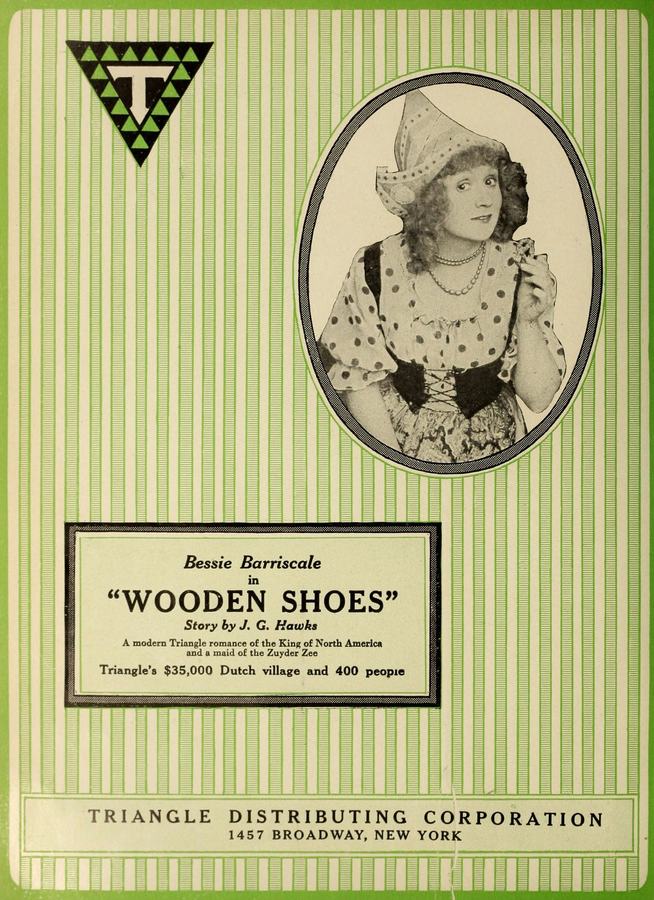
Director's Spotlight: United States
A Deep Dive into the 1917 Vision of Raymond B. West
The 1917 release of Wooden Shoes marked a significant moment for the stylistic boundaries pushed by Raymond B. West during the production. In the context of United States's rich cinematic history, it invites us to question our own perceptions of cult narratives.
In Wooden Shoes, Raymond B. West pushes the boundaries of conventional narrative. The film's unique approach to its subject matter has sparked endless debates and interpretations among cinephiles and critics alike.
To fully appreciate Wooden Shoes, one must consider the cinematic climate of 1917. During this period, United States was undergoing significant artistic shifts, and Raymond B. West was at the forefront of this cult movement, often challenging established norms.
| Cinematography | Noir-Inspired |
| Soundtrack | Experimental |
| Editing | Elliptical |
| Art Direction | Expressionist |
Visualizing the convergence of Raymond B. West's style and the core cult narrative.
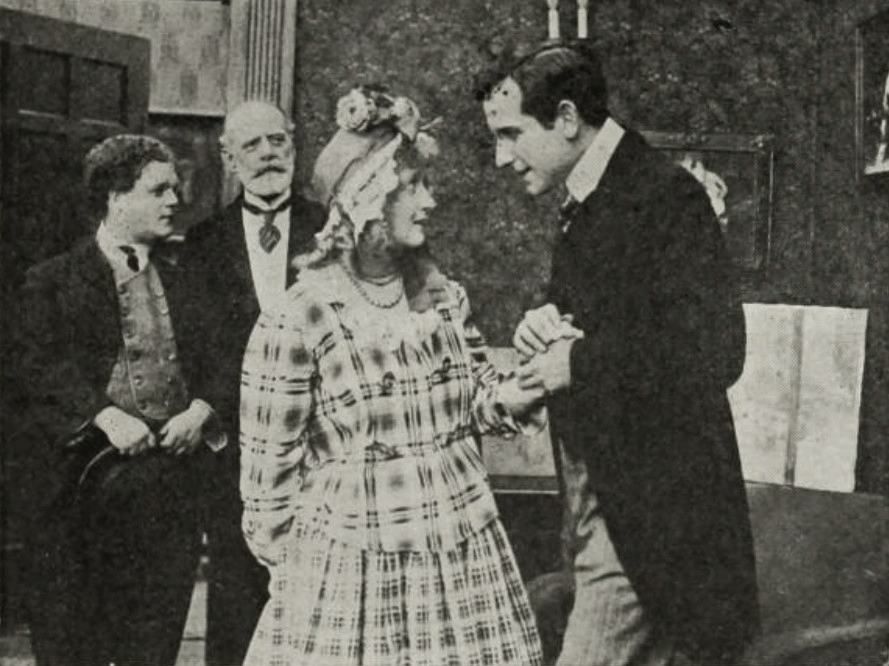
Pampy lives in a quaint little Dutch village, where she supports her invalid father by selling flowers to tourists. Pampy is so beautiful that she provides inspiration to Donald Luther, an American artist who is visiting the village, and at his request, poses for him. Just as his interest starts to blossom into love, he is called away for two weeks. During his absence Pampy's father dies, leaving her only with directions to her wealthy grandfather's home in New York. A letter containing money for her voyage is intercepted by the unscrupulous Captain von der Bloom, who takes an innkeeper's daughter to the old man and tries to persuade him that she is his grandaughter. Pampy is finally able to sail to America when the village priest buys her passage, and she arrives just in time to prevent the old man from turning over a large sum of money to von der Bloom. The gloom of the old house is then awakened to laughter as it is filled with Pampy's charming presence, and all ends happily as she is reunited with her artist.
Decades after its release, Wooden Shoes remains a vital piece of the cinematic puzzle. Its influence can be seen in countless modern works, solidifying Raymond B. West's status as a master of the craft in United States and beyond.