
DbcultAccessing Vault...
Director's Spotlight
Senior Film Conservator
Director's Spotlight: United States
A Deep Dive into the 1925 Vision of Raymond K. Johnson
In the storied career of Raymond K. Johnson, North of Nome stands as a the atmospheric immersion that Raymond K. Johnson achieves throughout North of Nome. Reflecting the political and social shifts of the 1925s, it reinforces the idea that cinema is a medium of infinite possibilities.
In North of Nome, Raymond K. Johnson pushes the boundaries of conventional narrative. The film's unique approach to its subject matter has sparked endless debates and interpretations among cinephiles and critics alike.
| Cinematography | High-Contrast |
| Soundtrack | Diegetic |
| Editing | Elliptical |
| Art Direction | Expressionist |
Visualizing the convergence of Raymond K. Johnson's style and the core Action narrative.
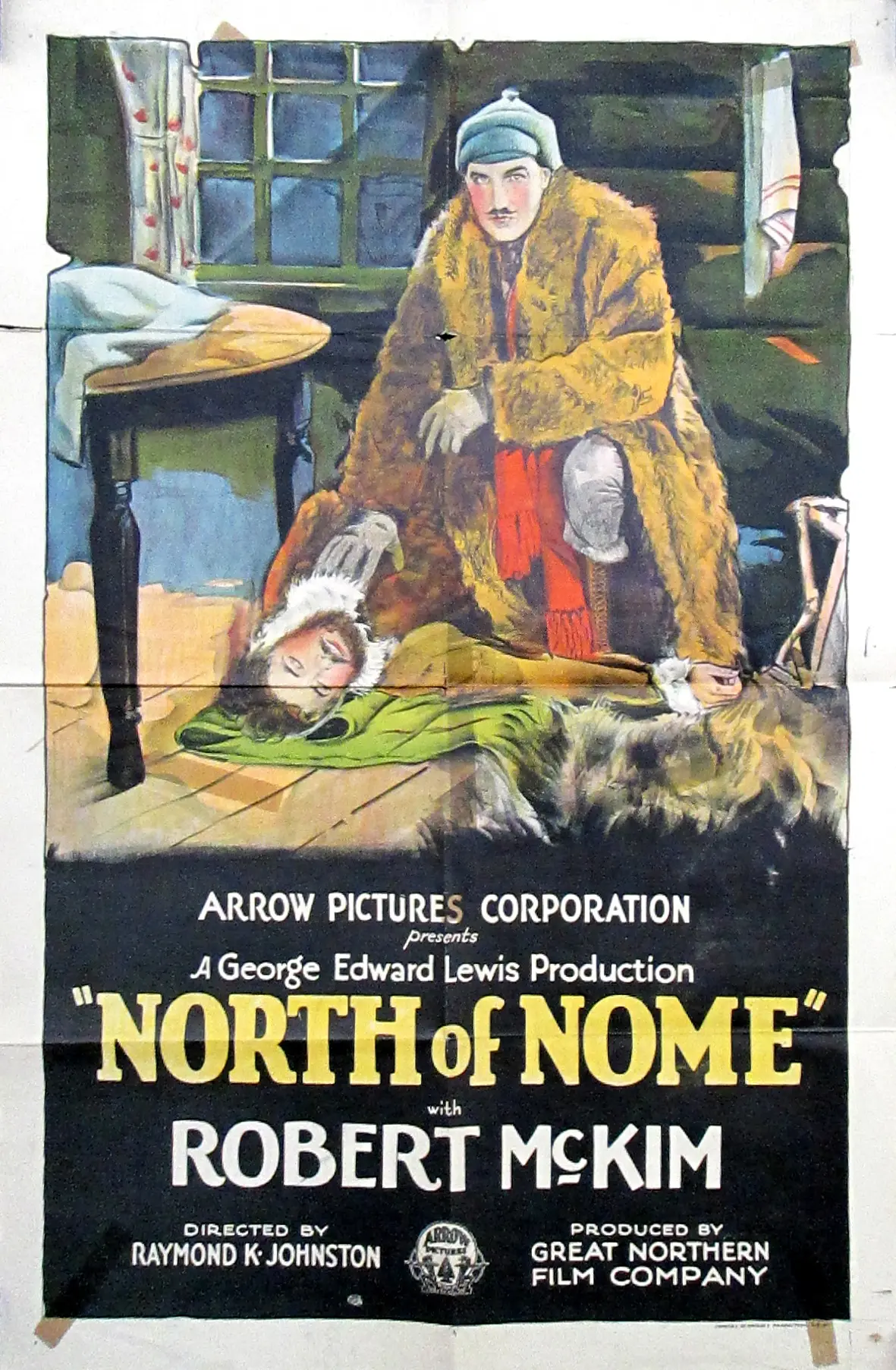
When Tate Killaly and his daughter, Zelma, cross the river to the trading post of Henri Cocteau, located in a little Alaska town, Zelma is attacked by Quig Lanigan, Cocteau's tool and a man of evil impulses. A stranger steps in and saves her from harm. Zelma later finds the stranger suffering from snow blindness on the trail and takes him home to her cabin, where she nurses him back to health. Zelma and the stranger fall in love, and he tells her that he is a fugitive from justice and victim of injustice. Chitna, Zelma's Indian servant, goes into town for supplies and tells Tate and Cocteau of the stranger's presence. The men, who know there is a $5,000 reward for the stranger, go to the cabin and capture him. Zelma helps him escape, but when she is led to believe that the stranger has killed her father, she turns against him and is instrumental in his recapture. When she finds out that her father is alive, Zelma realizes her mistake and gets her father to help the stranger. Cocteau is killed in a snow-slide, and the stranger, Bruce McLaren, is informed that the real criminal has confessed, making Bruce a free man again.
Decades after its release, North of Nome remains a vital piece of the cinematic puzzle. Its influence can be seen in countless modern works, solidifying Raymond K. Johnson's status as a master of the craft in United States and beyond.