
DbcultAccessing Vault...
Director's Spotlight
Senior Film Conservator
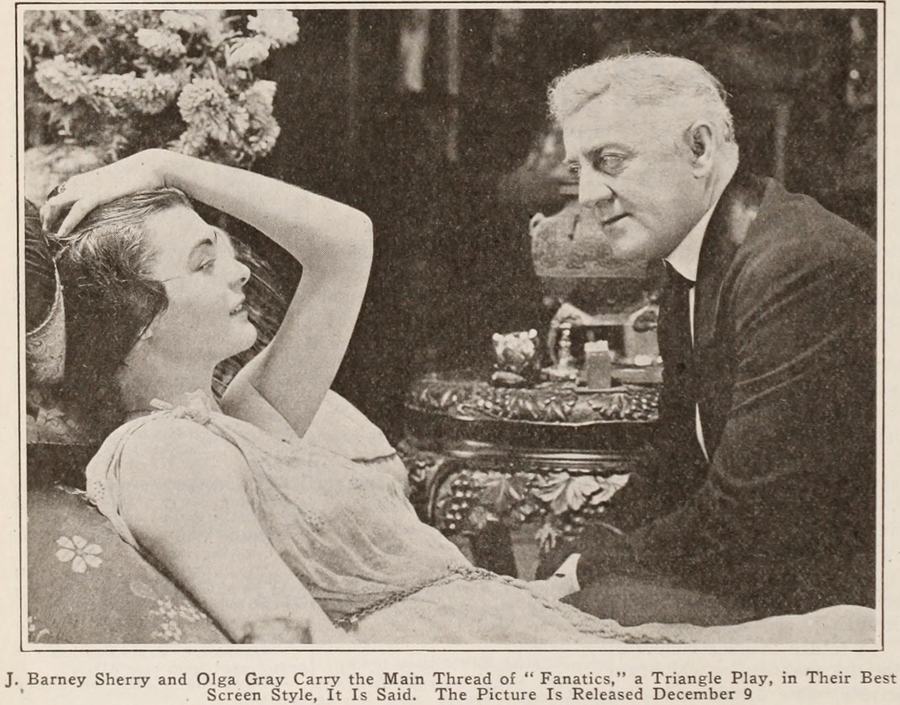
Director's Spotlight: United States
A Deep Dive into the 1917 Vision of Raymond Wells
To understand the modern evolution of United States film, one must first look at Fanatics and the collaborative alchemy between Raymond Wells and the 1917 creative team. Subverting the expectations of the typical 1917 audience, it remains a vital reference point for anyone studying the evolution of Raymond Wells.
In Fanatics, Raymond Wells pushes the boundaries of conventional narrative. The film's unique approach to its subject matter has sparked endless debates and interpretations among cinephiles and critics alike.
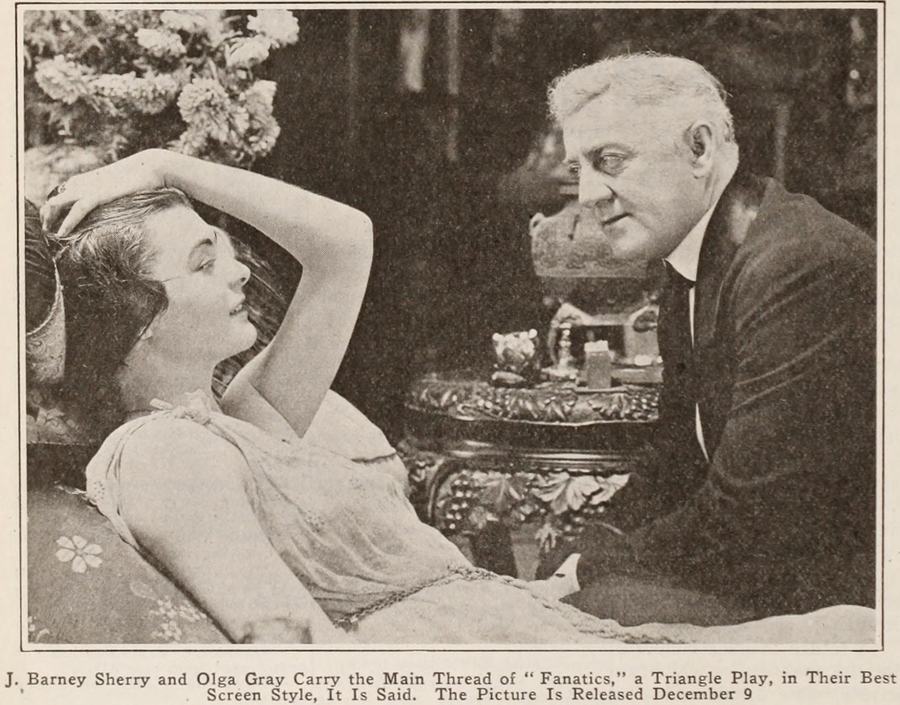
In this work, Raymond Wells explores the intersection of cult and United States cultural identity. The meticulous attention to detail suggests a deep-seated commitment to pushing the boundaries of the medium, ensuring that Fanatics remains a relevant topic of study for cult enthusiasts.
| Cinematography | Deep Focus |
| Soundtrack | Synth-Heavy |
| Editing | Rhythmic |
| Art Direction | Naturalist |
Visualizing the convergence of Raymond Wells's style and the core cult narrative.
Failing to get a loan from Nicholas Eyre, the Steel King and friend of his wife's father, Robert Lathrop induces his wife to beg for the money he plans to spend upon his mistress. He is given a check. Hurrying to Lola's apartments, he finds her in the arms of her lover, Haskell. In the fight that follows, Lathrop is killed and left in the park. Believing her husband to be a suicide because Eyre refused to advance him funds, the wife plans to revenge what she considers his murder, but enlightenment comes after terrible damage has been done.
Decades after its release, Fanatics remains a vital piece of the cinematic puzzle. Its influence can be seen in countless modern works, solidifying Raymond Wells's status as a master of the craft in United States and beyond.