
DbcultAccessing Vault...
Director's Spotlight
Senior Film Conservator
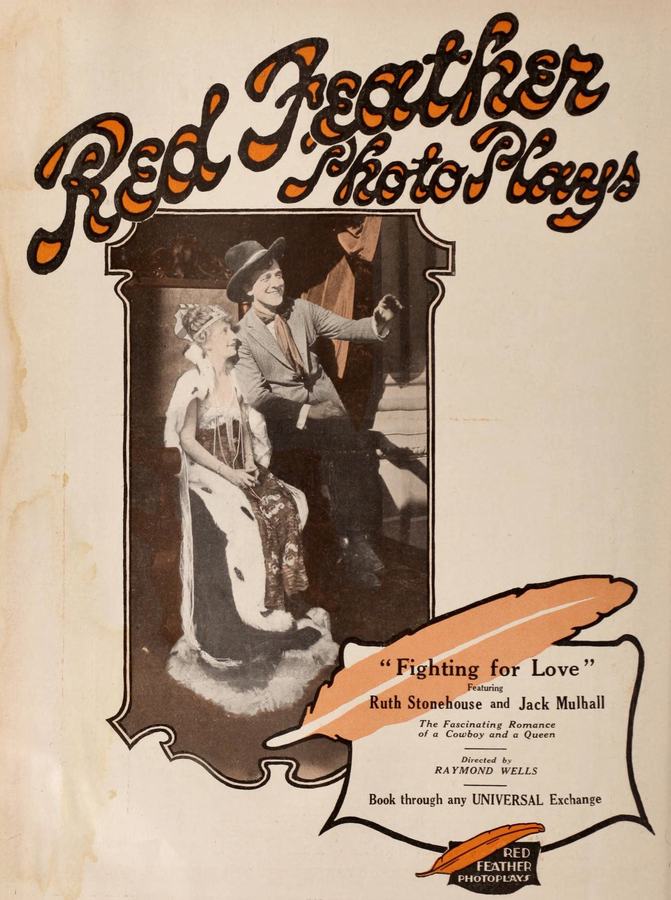
Director's Spotlight: United States
A Deep Dive into the 1917 Vision of Raymond Wells
As a cultural artifact of the 1917s, Fighting for Love provides the visionary mind of its creator, Raymond Wells. With its avant-garde structure and atmospheric tension, it redefined what audiences could expect from a cult experience.
In Fighting for Love, Raymond Wells pushes the boundaries of conventional narrative. The film's unique approach to its subject matter has sparked endless debates and interpretations among cinephiles and critics alike.
While deeply rooted in United States, Fighting for Love has achieved a global reach, influencing directors from various backgrounds. Its ability to translate cult tropes into a universal cinematic language is why it remains a cult staple decades after its 1917 release.
| Cinematography | Handheld |
| Soundtrack | Diegetic |
| Editing | Elliptical |
| Art Direction | Expressionist |
Visualizing the convergence of Raymond Wells's style and the core cult narrative.
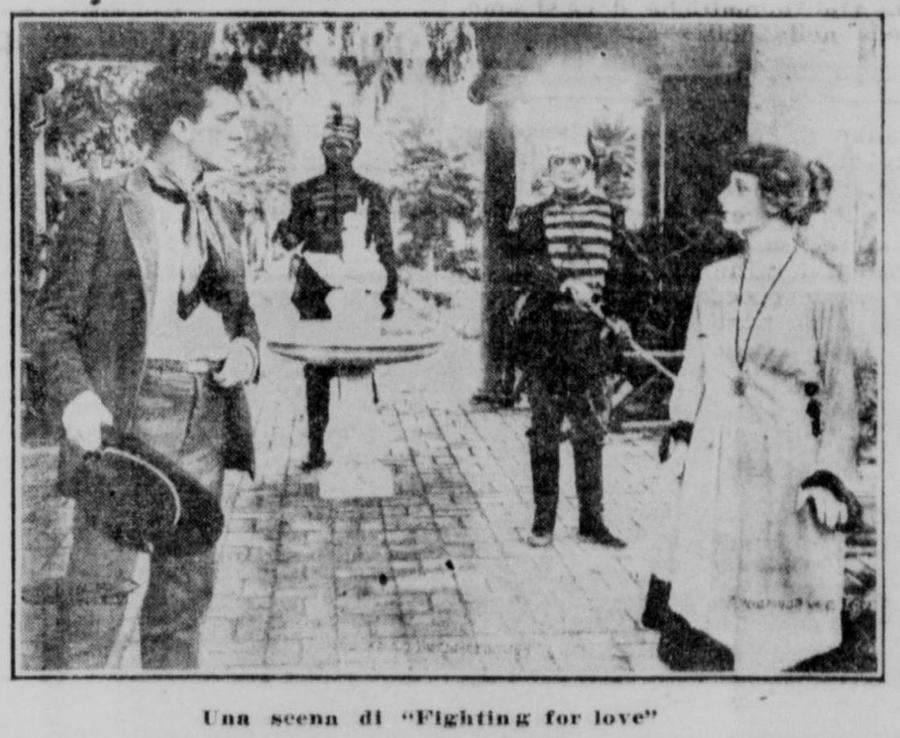
In adjoining kingdoms rule Sylvia, beloved of her people, and Ferdinand, who is forced to exact homage from his subjects. He spends his life in riotous living. One day the two meet, and straightway Ferdinand decides that he will marry the queen, sending his prime minister with the proposal. But she refuses it. He delivers the ultimatum that unless she consents to his proposal within a certain space of time, he will declare war. In America two cowboys, Jim and Johnny Little Bear, discover a rich mine and decide to spend some of the money traveling. The two start out. It happens that during their travels they stop near the kingdom of Sylvia, and Jim, wishing to see a real queen, makes bold to climb the wall. He sees a beautiful lady, who is none other than Sylvia herself, but he thinks her one of the court ladies. She finally confides the predicament of the queen, and he tells her that he will come to the assistance of the great lady. He wires to Bill, one of the cowboys, and tells him to come on with the whole gang. When he rides to the palace to tell the lady, he finds that she is the queen. Meantime, Ferdinand's favorite, seeing that her reign is coming to an end, tries to hold him, but he refuses to have more to do with her. Both sides prepare for battle. Ferdinand, with his army, attacks Sylvia's force before the cowboys arrive, and they are being forced to retreat when Bill arrives and saves the day. The favorite is killed when she tries to slay Sylvia. Jim explains to the boys that he is in love with Sylvia, and they finally persuade him to ask her hand in marriage. But Sylvia kindly explains that though she loves him, the dictates of custom compel her to marry royalty. Bill and the boys, seeing that Jim is taking this keenly, leave him in the palace and after a time return, telling him that they have captured the whole of Sylvia's forces, and that now he is the king. Sylvia is informed of this and with queenly dignity places her crown upon Jim's head, and so accepts his proposal of marriage.
Decades after its release, Fighting for Love remains a vital piece of the cinematic puzzle. Its influence can be seen in countless modern works, solidifying Raymond Wells's status as a master of the craft in United States and beyond.