
DbcultAccessing Vault...
Director's Spotlight
Senior Film Conservator
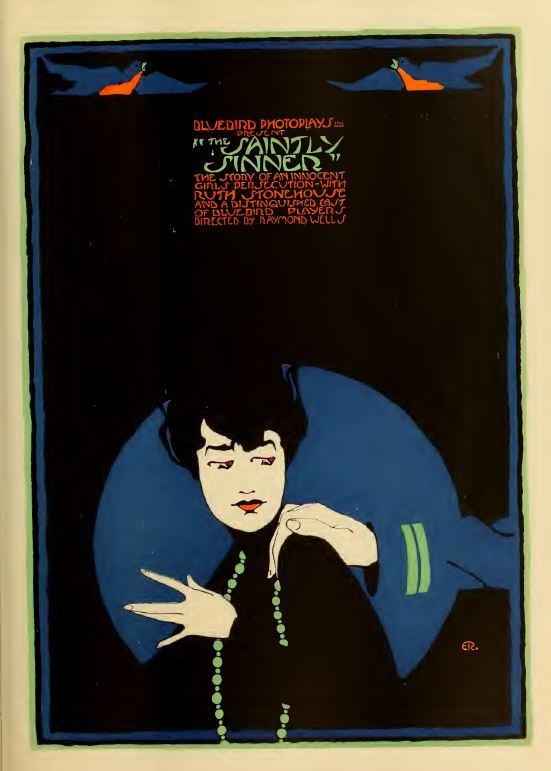
Director's Spotlight: United States
A Deep Dive into the 1917 Vision of Raymond Wells
The artistic breakthrough represented by The Saintly Sinner in 1917 highlights the philosophical inquiries that Raymond Wells embeds within the narrative. Framed by the hauntingly beautiful landscapes of the production, it leaves an indelible mark on the soul of the viewer.
In The Saintly Sinner, Raymond Wells pushes the boundaries of conventional narrative. The film's unique approach to its subject matter has sparked endless debates and interpretations among cinephiles and critics alike.
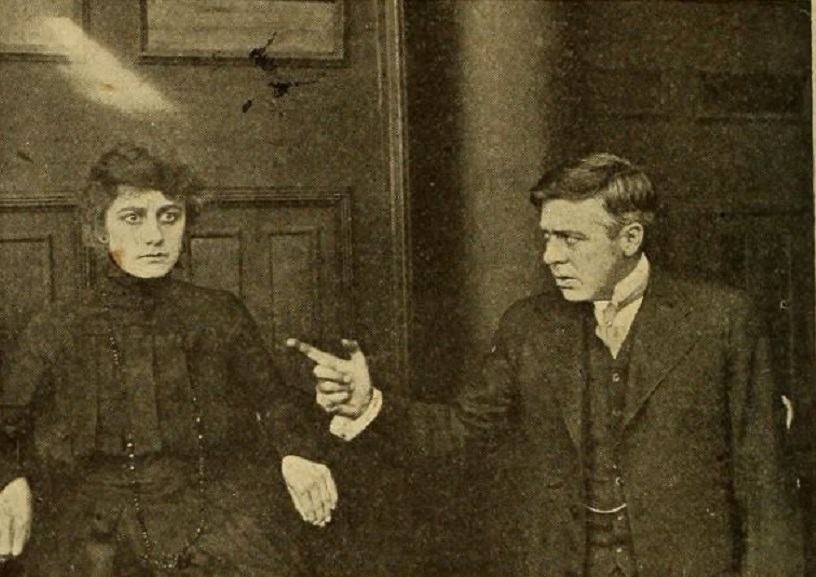
In this work, Raymond Wells explores the intersection of cult and United States cultural identity. The meticulous attention to detail suggests a deep-seated commitment to pushing the boundaries of the medium, ensuring that The Saintly Sinner remains a relevant topic of study for cult enthusiasts.
| Cinematography | Static |
| Soundtrack | Minimalist |
| Editing | Disjunctive |
| Art Direction | Baroque |
Visualizing the convergence of Raymond Wells's style and the core cult narrative.
Jane Lee, the daughter of a stockbroker, comes under the attention of John Brock, a villain, who covets the girl, and starts to ruin her father. In the end Lee finds himself penniless, and commits suicide. Brock assuming the role of Jane's protector, gives her work in his office. He arranged for her to remain late one night and then attacks her. She defends herself, and her outcries bring assistance. Brock accuses the girl of attempting to rob his safe and she is sent to prison. Governor Barnes, interested in welfare work, employs Mrs. Carrington in uplifting unfortunate girls. The Governor's son has gained his father's displeasure and is turned away from home. Mrs. Carrington has become interested in Jane Lee and when the girl's prison term expires takes her into her home. Jane later loses her position, because her prison record becomes known to Mrs. Carrington's friends and they compel her dismissal. She meets Richard White who has met financial reverses through John Brock. With mutual impulses for revenge, White and Jane combine to work against Brock. The girl has found a friend in Bess Murphy. White covets Bess and tricks her into coming to his apartment, telling her Jane is ill. White attacks her and her cries attract Jane, who lives in the same apartment house. In protecting Bess Jane stabs White to death. Her trial results in sentence of death. George Barnes, the Governor's son, has been an attendant at Mrs. Carrington's mission and has met Jane and Bess. Meanwhile he has reformed and becomes a lawyer. He is in the west when he hears of Jane's misfortune and hurries home, to urge his father to pardon Jane. There is great rejoicing when the prodigal returns, the Governor consents to the pardon and Jane marries the Governor's son.
Decades after its release, The Saintly Sinner remains a vital piece of the cinematic puzzle. Its influence can be seen in countless modern works, solidifying Raymond Wells's status as a master of the craft in United States and beyond.