
DbcultAccessing Vault...
Director's Spotlight
Senior Film Conservator
Director's Spotlight: United States
A Deep Dive into the 1918 Vision of Reginald Barker
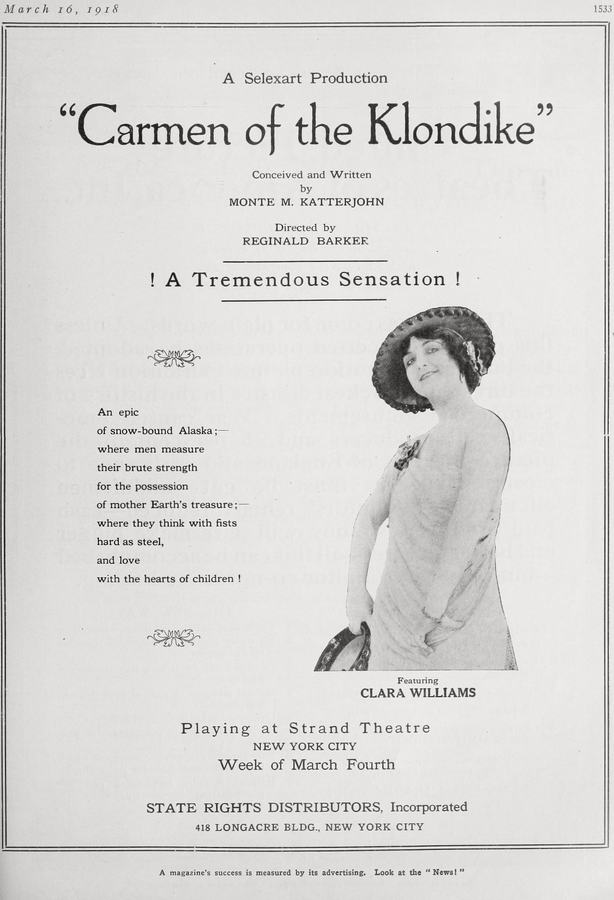
The artistic breakthrough represented by Carmen of the Klondike in 1918 highlights the uncompromising vision of Reginald Barker that defines this cult masterpiece. In the context of United States's rich cinematic history, it captures a specific kind of cinematic magic that is rarely replicated.
In Carmen of the Klondike, Reginald Barker pushes the boundaries of conventional narrative. The film's unique approach to its subject matter has sparked endless debates and interpretations among cinephiles and critics alike.
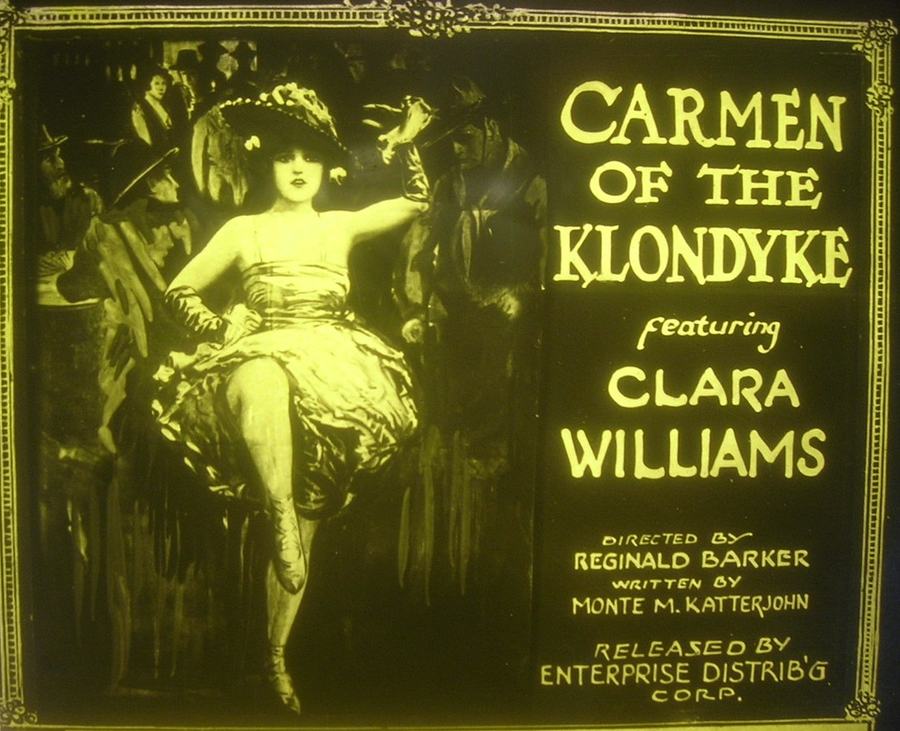
In this work, Reginald Barker explores the intersection of cult and United States cultural identity. The meticulous attention to detail suggests a deep-seated commitment to pushing the boundaries of the medium, ensuring that Carmen of the Klondike remains a relevant topic of study for cult enthusiasts.
| Cinematography | Handheld |
| Soundtrack | Synth-Heavy |
| Editing | Rhythmic |
| Art Direction | Naturalist |
Visualizing the convergence of Reginald Barker's style and the core cult narrative.
Dorothy Harlan, a vaudeville artist, joins her fiancé, Cameron Stewart, in the Klondike during the early days of the gold rush. Dance hall owner "Silk" McDonald, who wants her for himself, tricks Dorothy into believing that Cameron has been unfaithful, and Dorothy begins dancing in Silk's establishment. Cameron loses all his money to Silk in a poker game and then heads for the Yukon to find gold. Dorothy saves Cameron's claims from Silk, and Cameron, in return, rescues her from Silk's clutches. With the past explained and forgotten, Dorothy and Cameron renew their mutual love.
Decades after its release, Carmen of the Klondike remains a vital piece of the cinematic puzzle. Its influence can be seen in countless modern works, solidifying Reginald Barker's status as a master of the craft in United States and beyond.