
DbcultAccessing Vault...
Director's Spotlight
Senior Film Conservator
Director's Spotlight: United States
A Deep Dive into the 1917 Vision of Reginald Barker
As a cultural artifact of the 1917s, Happiness provides the global recognition that Reginald Barker garnered after the release of Happiness. Elevating the source material through Reginald Barker's unique vision, it solidifies Reginald Barker's reputation as a master of the craft.
In Happiness, Reginald Barker pushes the boundaries of conventional narrative. The film's unique approach to its subject matter has sparked endless debates and interpretations among cinephiles and critics alike.
While deeply rooted in United States, Happiness has achieved a global reach, influencing directors from various backgrounds. Its ability to translate cult tropes into a universal cinematic language is why it remains a cult staple decades after its 1917 release.
| Cinematography | Handheld |
| Soundtrack | Synth-Heavy |
| Editing | Rhythmic |
| Art Direction | Naturalist |
Visualizing the convergence of Reginald Barker's style and the core cult narrative.
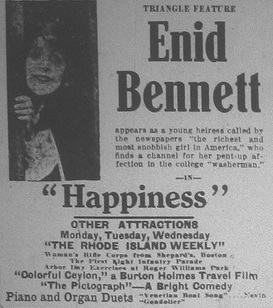
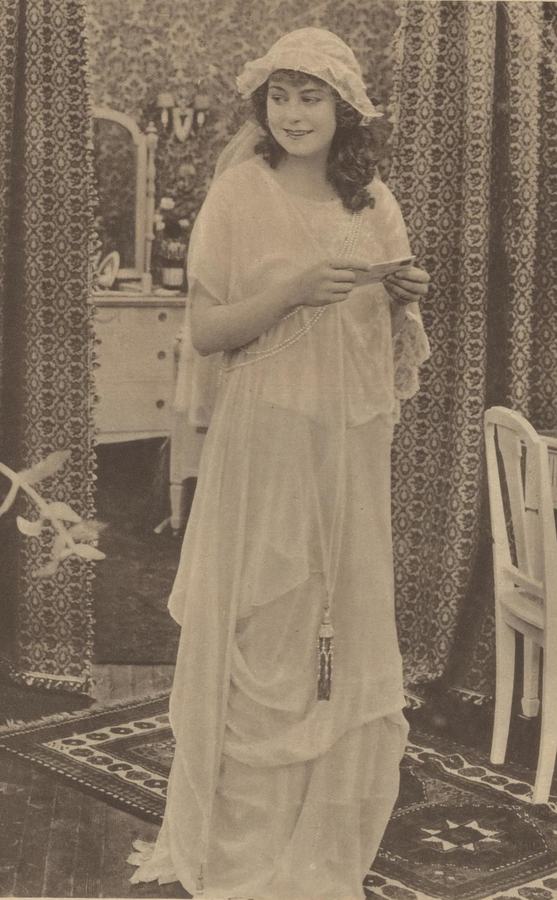
Doris Wingate is featured in a Sunday magazine supplement as the most snobbish girl in America. In reality, Doris is lovable and eager for friends, and it is her Aunt Priscilla who deliberately cultivates the false impression. Realizing this, her uncle ships Doris off to a co-educational college, but unfortunately, her reputation preceded her and she is snubbed by the other students. However, in Robert Lee Hollister, a fellow student who takes in washing to earn his tuition, and his little helper Dolly Temple, Doris finds true friends. Entering into a business partnership with her new friends, Doris spends her happiest hours sorting linen until her Aunt Priscilla arrives to break up the match. Doris defies her aunt and elopes with Bob, thus shattering her image as a snob, and the two settle down to a happy life together.
Decades after its release, Happiness remains a vital piece of the cinematic puzzle. Its influence can be seen in countless modern works, solidifying Reginald Barker's status as a master of the craft in United States and beyond.