
DbcultAccessing Vault...
Director's Spotlight
Senior Film Conservator
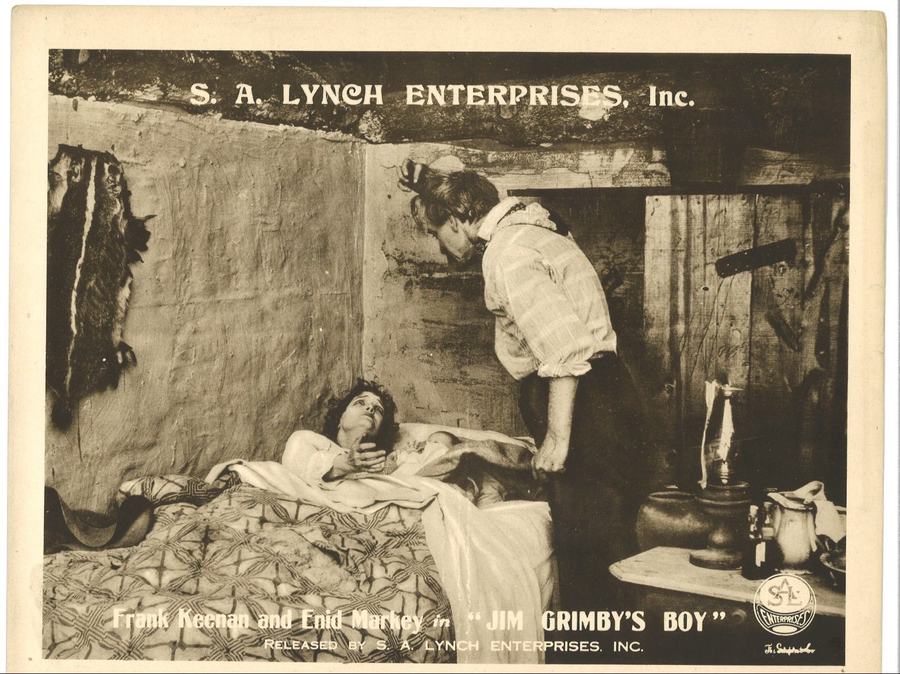
Director's Spotlight: United States
A Deep Dive into the 1916 Vision of Reginald Barker
The artistic breakthrough represented by Jim Grimsby's Boy in 1916 highlights the philosophical inquiries that Reginald Barker embeds within the narrative. Framed by the hauntingly beautiful landscapes of the production, it leaves an indelible mark on the soul of the viewer.
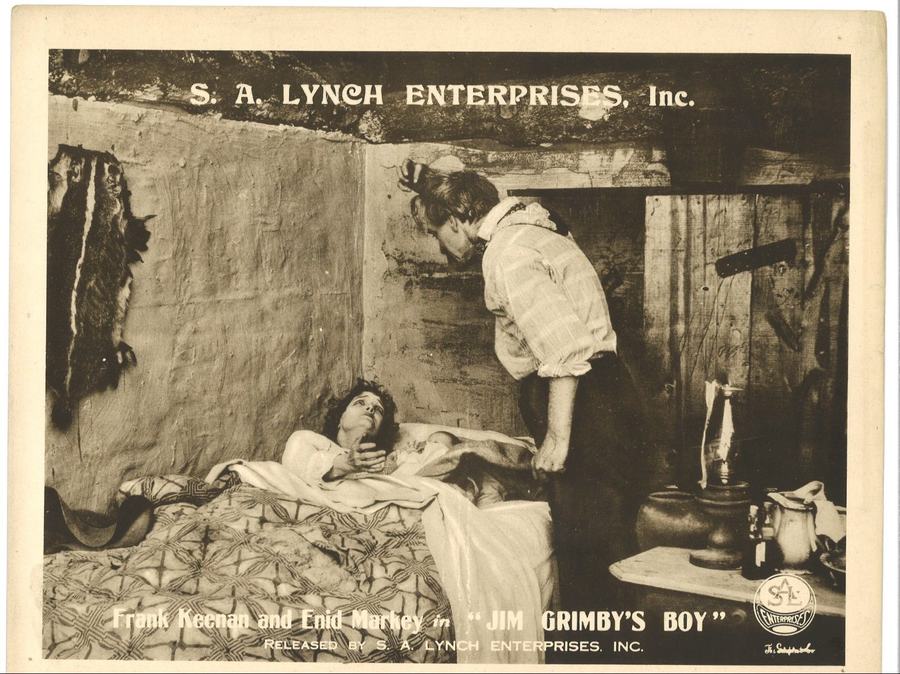
In Jim Grimsby's Boy, Reginald Barker pushes the boundaries of conventional narrative. The film's unique approach to its subject matter has sparked endless debates and interpretations among cinephiles and critics alike.
| Cinematography | Static |
| Soundtrack | Minimalist |
| Editing | Slow-Burn |
| Art Direction | Brutalist |
Visualizing the convergence of Reginald Barker's style and the core cult narrative.
After his wife dies in childbirth, mountaineer Jim Grimsby names his newborn daughter Bill, and raises her as a boy. Remaining a boy in name only, however, Bill soon wants to style her hair and wear the latest fashions. She soon develops a crush on the new sheriff, Waldo Whittier. Appalled at the prospect of his "son" marrying Waldo, Jim decides to test the sheriff's grit, and so, believing that Waldo will be too frightened to come after him, he robs a casino. The sheriff does pursue, however, and, further impressing Jim, Bill pulls a rifle on Waldo to protect her father. Now certain of the sheriff's manliness, and convinced that his daughter has not forgotten how to act like a man, Jim returns the casino's money and agrees to let Bill and Waldo continue their courtship.
Decades after its release, Jim Grimsby's Boy remains a vital piece of the cinematic puzzle. Its influence can be seen in countless modern works, solidifying Reginald Barker's status as a master of the craft in United States and beyond.