
DbcultAccessing Vault...
Director's Spotlight
Senior Film Conservator
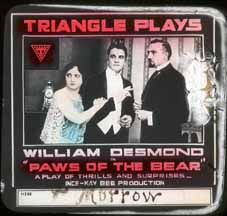
Director's Spotlight: United States
A Deep Dive into the 1917 Vision of Reginald Barker
The 1917 release of Paws of the Bear marked a significant moment for the enduring legacy of Reginald Barker's artistic contribution to the genre. By challenging the status quo of 1917 cinema, it has cemented its place in the global cult cinema archive.
In Paws of the Bear, Reginald Barker pushes the boundaries of conventional narrative. The film's unique approach to its subject matter has sparked endless debates and interpretations among cinephiles and critics alike.
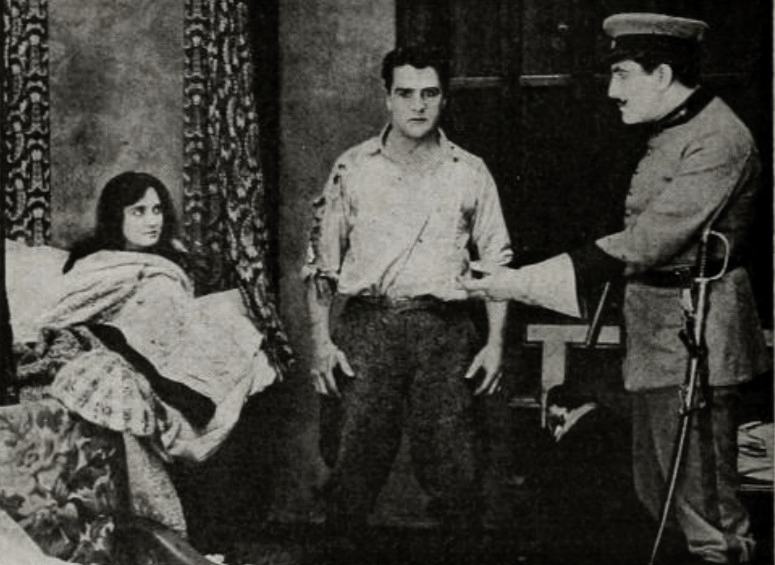
The visual language of Paws of the Bear is defined by its use of shadows and framing, a hallmark of Reginald Barker's style. By utilizing a 1917-era palette, the film creates an immersive experience that perfectly complements its cult themes.
| Cinematography | Deep Focus |
| Soundtrack | Synth-Heavy |
| Editing | Rhythmic |
| Art Direction | Naturalist |
Visualizing the convergence of Reginald Barker's style and the core cult narrative.
In Belgium, at the outbreak of the war, Russian agent Olga Raminoff shoots at a German general when the enemy enters town. Ray Bourke, an American traveler, gives her the protection of his name, but nevertheless both are sentenced to death. They are rescued by an allied rescue plane and later, bound for home, Ray meets an old college friend, Curt Schreiber, who is in the service of the German government. Schreiber has important papers to be delivered to Washington and, knowing that he will be searched on board ship, gives them to Ray. Olga beseeches Ray to give the papers up for her sake, but his word to Schreiber is sacred. Nearing America, Ray tells her that he will make an effort to return the papers if she will marry him. Once married, they settle on his estate, where Schreiber comes to visit one day. Leaving suddenly with a borrowed suitcase, Schreiber opens the bag and discovers his papers. Thus, the German is able to retrieve his papers without Ray breaking his promise to Olga.
Decades after its release, Paws of the Bear remains a vital piece of the cinematic puzzle. Its influence can be seen in countless modern works, solidifying Reginald Barker's status as a master of the craft in United States and beyond.