
DbcultAccessing Vault...
Director's Spotlight
Senior Film Conservator
Director's Spotlight: United States
A Deep Dive into the 1916 Vision of Reginald Barker
The thematic gravity of The Bugle Call (1916) is rooted in the historical context that Reginald Barker weaves into the cult fabric. Synthesizing the best elements of United States and international cinema, it highlights the importance of independent voices in United States.
In The Bugle Call, Reginald Barker pushes the boundaries of conventional narrative. The film's unique approach to its subject matter has sparked endless debates and interpretations among cinephiles and critics alike.
In this work, Reginald Barker explores the intersection of cult and United States cultural identity. The meticulous attention to detail suggests a deep-seated commitment to pushing the boundaries of the medium, ensuring that The Bugle Call remains a relevant topic of study for cult enthusiasts.
| Cinematography | Handheld |
| Soundtrack | Orchestral |
| Editing | Slow-Burn |
| Art Direction | Brutalist |
Visualizing the convergence of Reginald Barker's style and the core cult narrative.
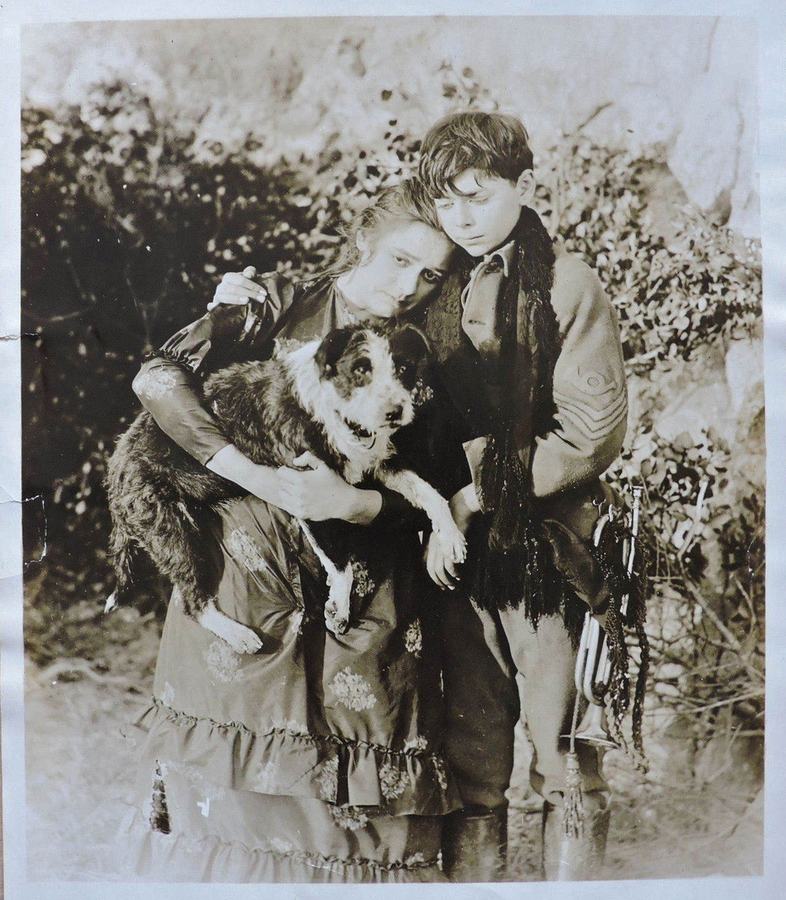
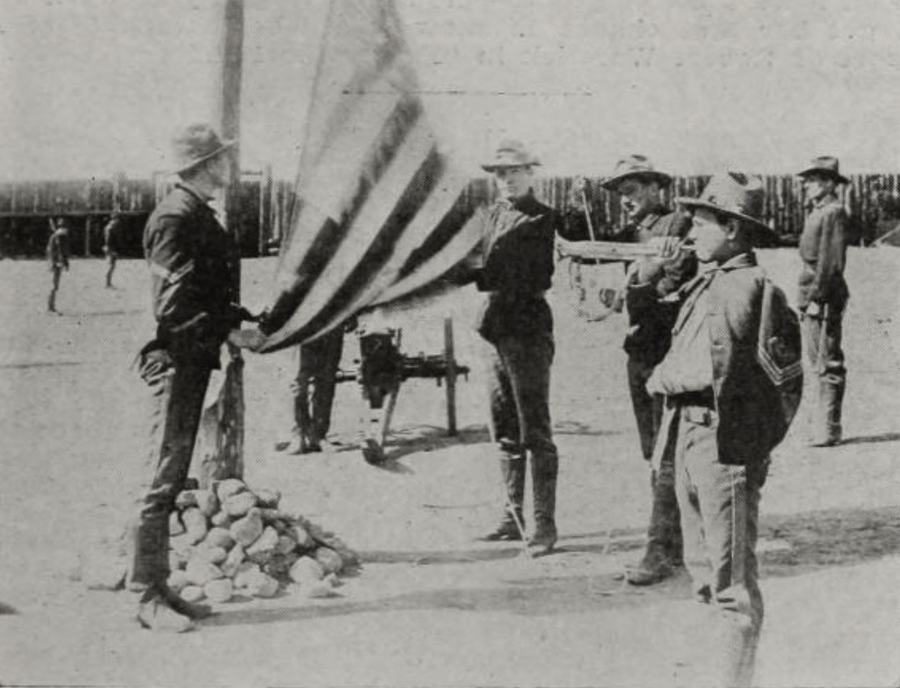
Billy, who is the little son of Captain Andrews, commandant of a western army post, has one ambition in life, and that is to become a good soldier. This he has confided to his friend, Sergeant Hogan, and the sergeant takes pains to foster the idea. He really needs all his courage to face a new situation that has come up in his life. His father is going to marry again. While he knows absolutely nothing about his prospective stepmother, he can conceive of no one worthy of taking the place of his beloved mother, who lies in the little cemetery outside the fort. In spite of Billy, however, the wedding takes place. The newcomer tries in every way to win over the little fellow, but beyond politeness his friendship stops. Soon after the wedding his father is called at the head of his regiment to quell an uprising of the Sioux Indians, forty miles away. He leaves his bride in little Billy's care. The distant trouble is but a ruse on the part of Lame Bear, the Indian chief, and now, with his picked braves, he swoops down on the weakened garrison at the fort. The defenders of the fort are so few in number that it is but a question of time before they must surrender. Billy, bearing in mind the admonition of his father to take care of his stepmother, takes her away from the fort by a secret passage and hides her in a cave in the hills. Suddenly he observes the wavering men at the stockade. Bethinking himself of his bugle and hoping to lead the Indians to believe that his father and the regiment are returning, he blows the signal to charge from a distant knoll outside the fort. The outcome of that bugle call saves the garrison and draws Billy and his stepmother together.
Decades after its release, The Bugle Call remains a vital piece of the cinematic puzzle. Its influence can be seen in countless modern works, solidifying Reginald Barker's status as a master of the craft in United States and beyond.