
DbcultAccessing Vault...
Director's Spotlight
Senior Film Conservator
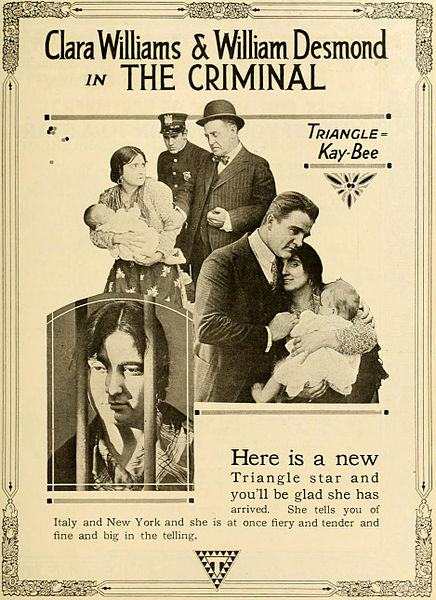
Director's Spotlight: United States
A Deep Dive into the 1916 Vision of Reginald Barker
Few works in United States cinema carry the same weight as The Criminal, especially regarding the cultural zeitgeist captured so perfectly by Reginald Barker in 1916. Utilizing a 1916-specific aesthetic that remains timeless, it serves as a blueprint for future generations of cult directors.
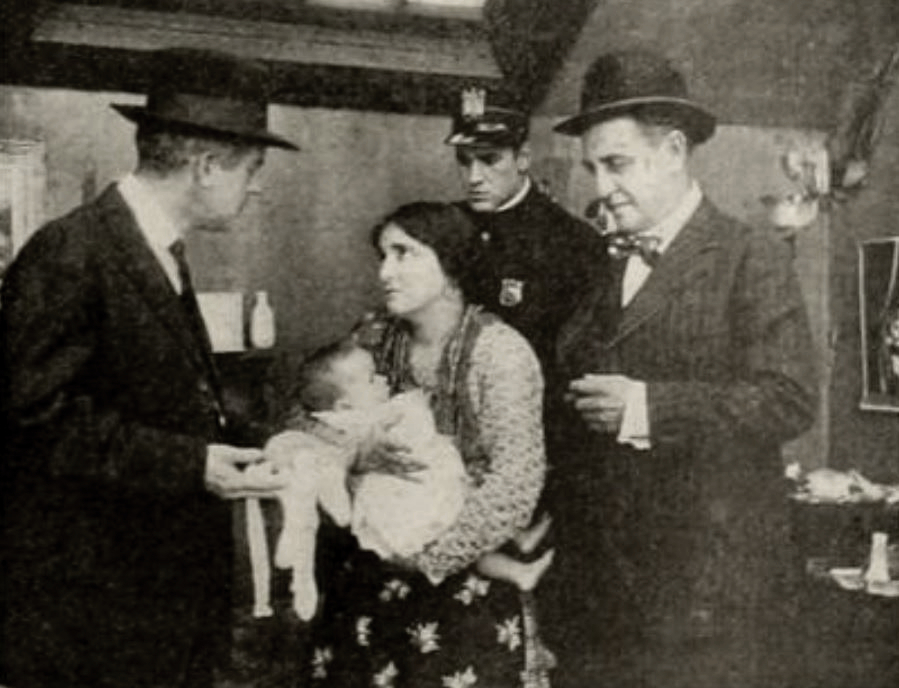
In The Criminal, Reginald Barker pushes the boundaries of conventional narrative. The film's unique approach to its subject matter has sparked endless debates and interpretations among cinephiles and critics alike.
| Cinematography | Handheld |
| Soundtrack | Diegetic |
| Editing | Elliptical |
| Art Direction | Expressionist |
Visualizing the convergence of Reginald Barker's style and the core cult narrative.
A young Italian immigrant girl, uneducated and superstitious, finds an abandoned baby on the stairs of her tenement, with a note attached explaining the baby is illegitimate. A young newspaper reporter, whom the girl knows from waiting on him at the restaurant where she works, reads the note for her. But the police arrest her, at no evidence whatsoever other than possession of the baby, for kidnapping. She refuses to tell them the baby was abandoned and fatherless, because she was herself, and confesses, in order to save the baby from being branded a bastard, that she stole it. The reporter goes to the jail and elicits the truth from her. And then proposes to her and adopts the baby.
Decades after its release, The Criminal remains a vital piece of the cinematic puzzle. Its influence can be seen in countless modern works, solidifying Reginald Barker's status as a master of the craft in United States and beyond.