
DbcultAccessing Vault...
Director's Spotlight
Senior Film Conservator
Director's Spotlight: United States
A Deep Dive into the 1914 Vision of Reginald Barker
Few works in United States cinema carry the same weight as The Typhoon, especially regarding the technical innovation that Reginald Barker introduced to the cult format. Subverting the expectations of the typical 1914 audience, it bridges the gap between traditional cult and contemporary vision.
In The Typhoon, Reginald Barker pushes the boundaries of conventional narrative. The film's unique approach to its subject matter has sparked endless debates and interpretations among cinephiles and critics alike.
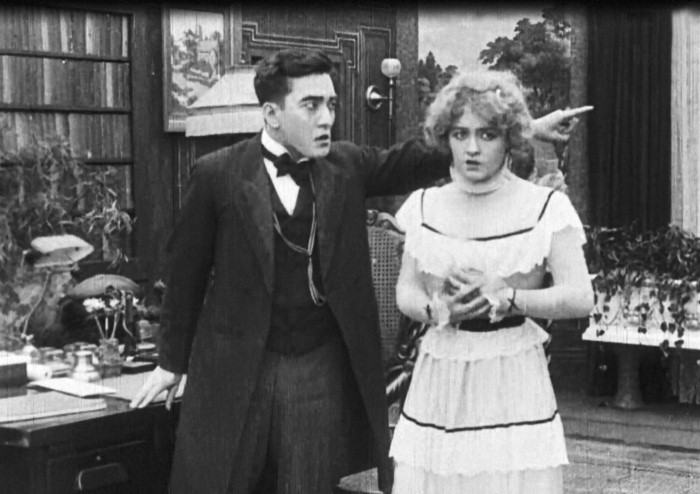
To fully appreciate The Typhoon, one must consider the cinematic climate of 1914. During this period, United States was undergoing significant artistic shifts, and Reginald Barker was at the forefront of this cult movement, often challenging established norms.
| Cinematography | Handheld |
| Soundtrack | Synth-Heavy |
| Editing | Disjunctive |
| Art Direction | Baroque |
Visualizing the convergence of Reginald Barker's style and the core cult narrative.
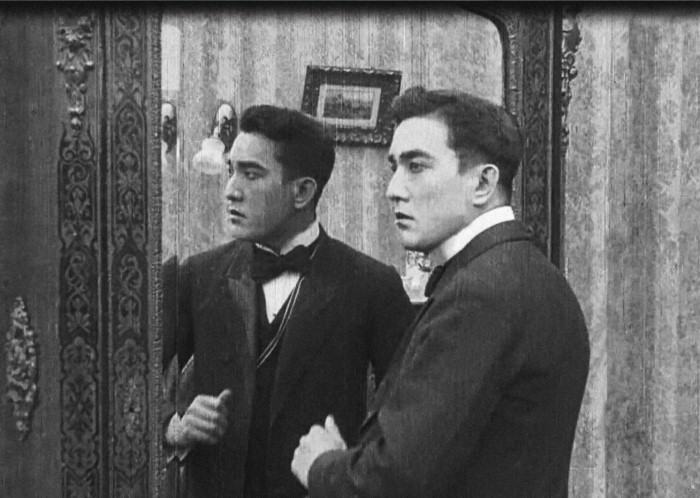
Japanese diplomat Tokoramo ( Sessue Hayakawa ), on a mission to Paris, begins a love affair with chorus girl, Helene ( Gladys Brockwell ), who subsequently rejects her American fiance, Richard Bernisky. When the Japanese discover the affair, they try to force Tokoramo to end it, but Helene refuses to stop visiting him. One night, during one of her visits, Bernisky comes to Tokoramo's apartment and, while Helene hides, rebukes her to her lover. After Bernisky leaves, Tokoramo orders Helene out, but when he realizes his love for her, he calls her back. Suddenly, she rejects and insults him to the point that he strangles her. Tokoramo wants to confess his crime, but he must complete his work, and so his countrymen sacrifice a boy, Hironari, who pleads guilty to the murder and eventually is executed. In the end, Tokoramo also dies and his colleagues burn his valuable papers in order to protect Japan.
Decades after its release, The Typhoon remains a vital piece of the cinematic puzzle. Its influence can be seen in countless modern works, solidifying Reginald Barker's status as a master of the craft in United States and beyond.