
DbcultAccessing Vault...
Director's Spotlight
Senior Film Conservator
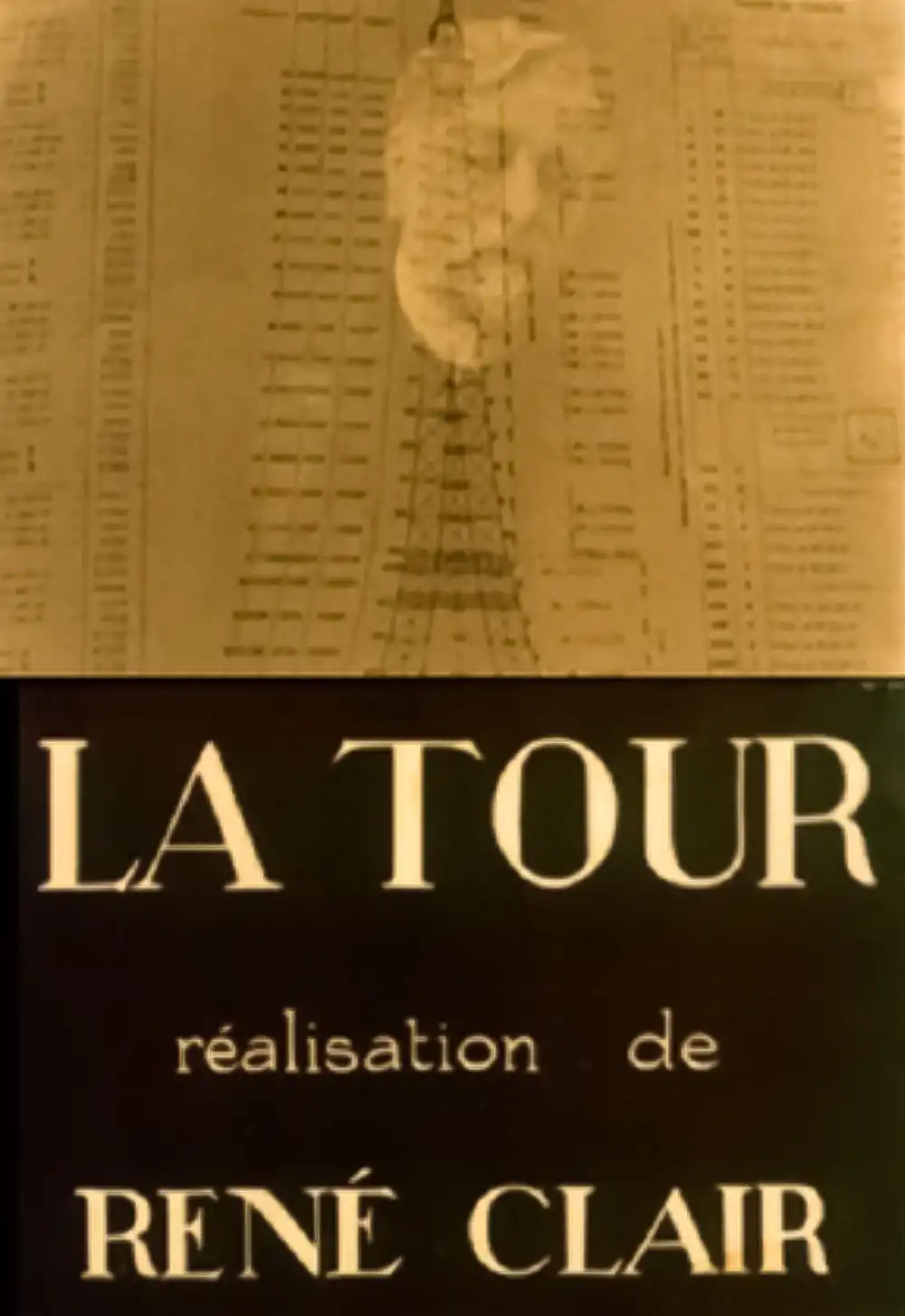
Director's Spotlight: France
A Deep Dive into the 1928 Vision of René Clair
Exploring the Short underpinnings of La tour leads us to the stylistic boundaries pushed by René Clair during the production. Through a lens of existential fatalism and Short tropes, it continues to spark endless debates among critics and cinephiles alike.
In La tour, René Clair pushes the boundaries of conventional narrative. The film's unique approach to its subject matter has sparked endless debates and interpretations among cinephiles and critics alike.
To fully appreciate La tour, one must consider the cinematic climate of 1928. During this period, France was undergoing significant artistic shifts, and René Clair was at the forefront of this Short movement, often challenging established norms.
| Cinematography | Handheld |
| Soundtrack | Minimalist |
| Editing | Slow-Burn |
| Art Direction | Brutalist |
Visualizing the convergence of René Clair's style and the core Short narrative.
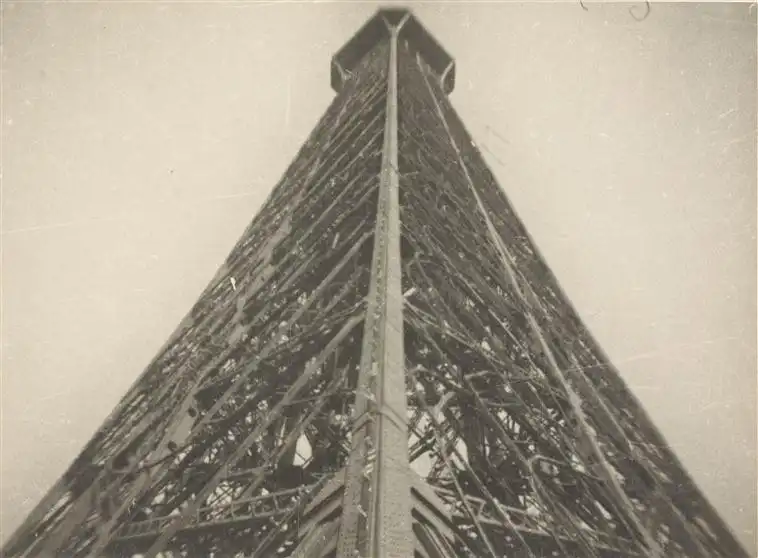
The great French filmmaker René Clair crafted this elegant sepia-toned profile of Paris's iconic landmark almost forty years after the Eiffel Tower took its first bow (at the 1889 Exposition Universelle). It clearly still fascinates and awes in this loving and playful tribute. LA TOUR takes the viewer first up and then down the mighty structure while also acting as a tribute to its eponymous designer, Gustave Eiffel. The film initially burrows into blueprints and photographs of the earliest stages of its construction ahead of the opening of the World's Fair but Clair's film revels in the completed structure itself, reverently scaling its heights and accompanying tourists on up through the various levels toward the topmost landing. Clair also makes strategic use of double exposures and dissolves in capturing the mechanical exuberance of the tower lifts (which help make the great swooping steel latticework edifice a bounding symbol of the modern age). - Robert Avila
Decades after its release, La tour remains a vital piece of the cinematic puzzle. Its influence can be seen in countless modern works, solidifying René Clair's status as a master of the craft in France and beyond.