
DbcultAccessing Vault...
Director's Spotlight
Senior Film Conservator
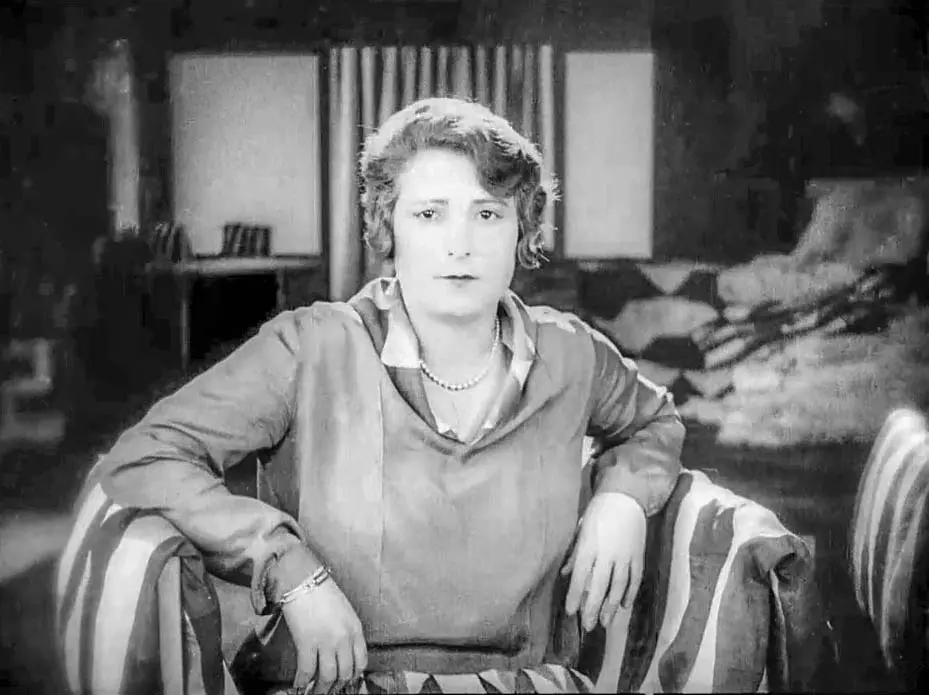
Director's Spotlight: France
A Deep Dive into the 1926 Vision of René Le Somptier
The artistic breakthrough represented by Le p'tit Parigot in 1926 highlights the philosophical inquiries that René Le Somptier embeds within the narrative. Framed by the hauntingly beautiful landscapes of the production, it leaves an indelible mark on the soul of the viewer.
In Le p'tit Parigot, René Le Somptier pushes the boundaries of conventional narrative. The film's unique approach to its subject matter has sparked endless debates and interpretations among cinephiles and critics alike.
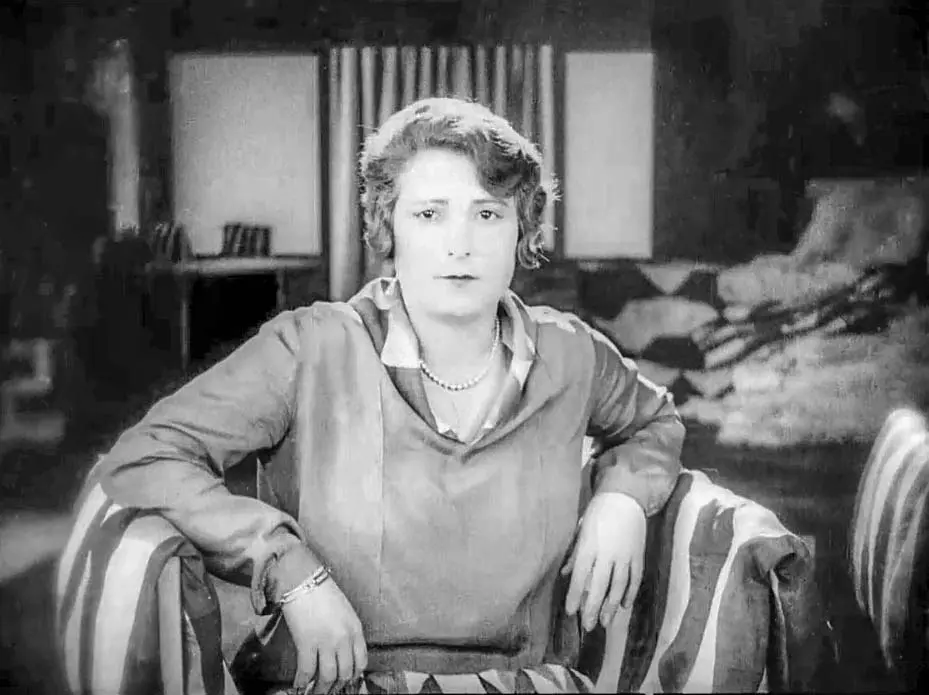
To fully appreciate Le p'tit Parigot, one must consider the cinematic climate of 1926. During this period, France was undergoing significant artistic shifts, and René Le Somptier was at the forefront of this Drama movement, often challenging established norms.
| Cinematography | Handheld |
| Soundtrack | Minimalist |
| Editing | Slow-Burn |
| Art Direction | Brutalist |
Visualizing the convergence of René Le Somptier's style and the core Drama narrative.
Georges Grigny-Latour, known as "P'tit Parigot", is the son of an academician and captain of the French football team. At odds with his father, he joined Paul Mesnil as a mechanic, whose daughter Lucie he liked very much. Georges discovers that his sister Suzanne's fiancé, Robert de Monterval, Mesnil's main sponsor, threatens to ruin him if Lucie does not become his mistress. Georges still comes to terms with a dark intrigue involving his own mistress, the jealous Gilberte d'Aragon.
Decades after its release, Le p'tit Parigot remains a vital piece of the cinematic puzzle. Its influence can be seen in countless modern works, solidifying René Le Somptier's status as a master of the craft in France and beyond.