
DbcultAccessing Vault...
Director's Spotlight
Senior Film Conservator
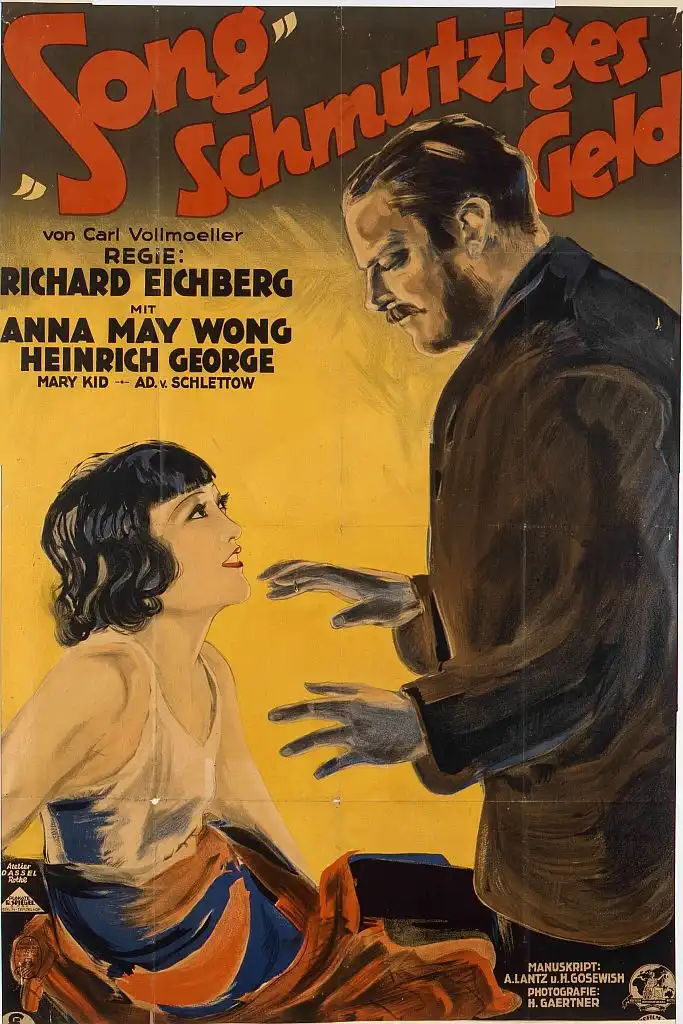
Director's Spotlight: Germany
A Deep Dive into the 1928 Vision of Richard Eichberg
The thematic gravity of Wasted Love (1928) is rooted in the artistic risks taken by Richard Eichberg that eventually paid off. Defining a new era of Germany artistic expression, it demands to be seen by anyone who cares about the art of film.
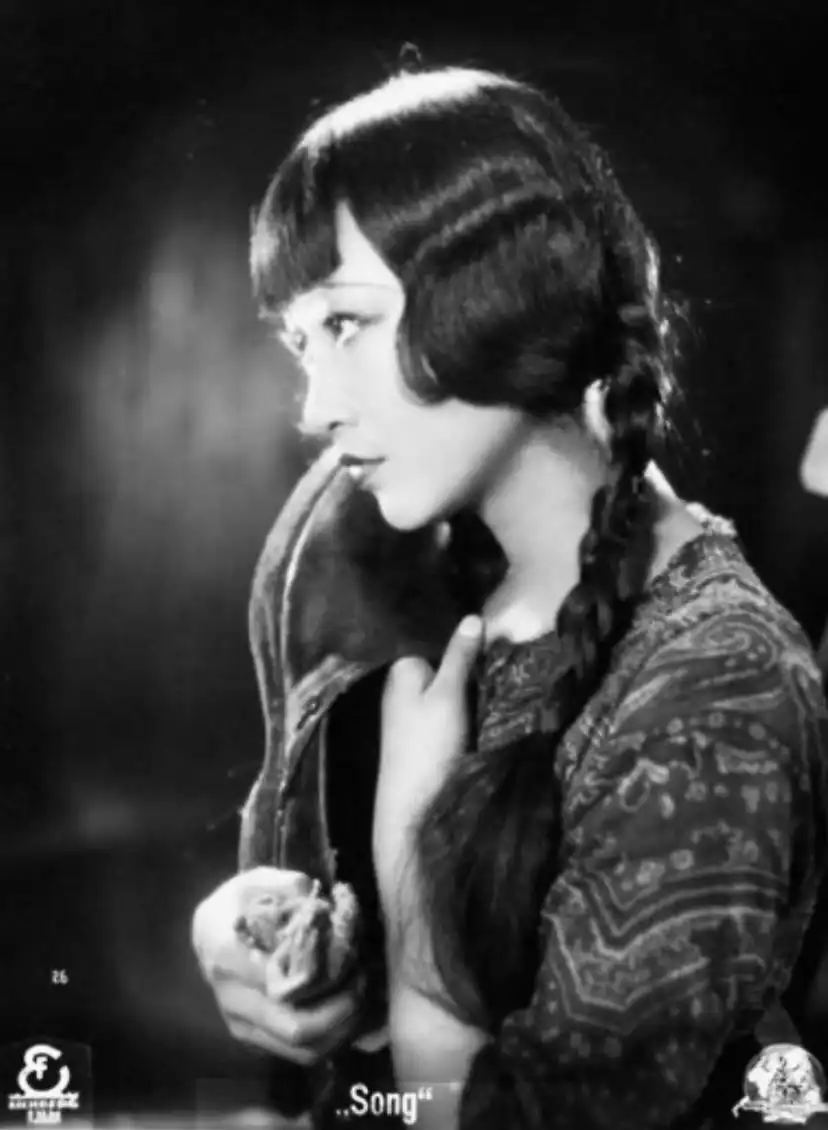
In Wasted Love, Richard Eichberg pushes the boundaries of conventional narrative. The film's unique approach to its subject matter has sparked endless debates and interpretations among cinephiles and critics alike.
| Cinematography | Deep Focus |
| Soundtrack | Minimalist |
| Editing | Disjunctive |
| Art Direction | Baroque |
Visualizing the convergence of Richard Eichberg's style and the core Drama narrative.
After committing a murder for his lover, Gloria, the famous painter Jack is forced to go underground. In the harbor district, he saves the poor Malaysian girl Song in front of two intrusive sailors. She loves him for it, and together Song and Jack appear in the tingle dungeon of the port, he as a knife artist, she as a dancer.
Decades after its release, Wasted Love remains a vital piece of the cinematic puzzle. Its influence can be seen in countless modern works, solidifying Richard Eichberg's status as a master of the craft in Germany and beyond.