
DbcultAccessing Vault...
Director's Spotlight
Senior Film Conservator
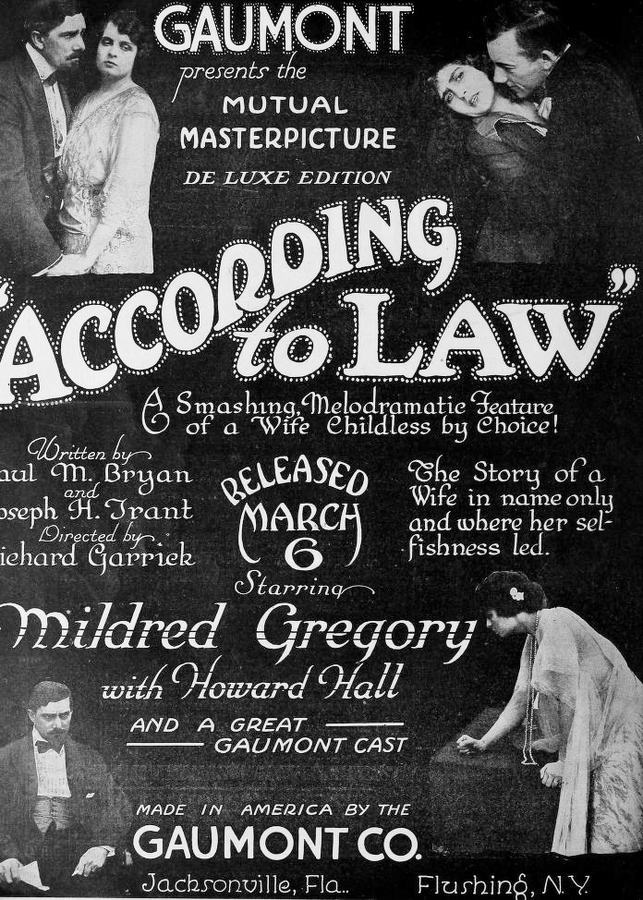
Director's Spotlight: United States
A Deep Dive into the 1916 Vision of Richard Garrick
When we examine the cinematic landscape of United States, According to Law emerges as a landmark work of the enduring legacy of Richard Garrick's artistic contribution to the genre. Through a lens of existential fatalism and cult tropes, it captures a specific kind of cinematic magic that is rarely replicated.
In According to Law, Richard Garrick pushes the boundaries of conventional narrative. The film's unique approach to its subject matter has sparked endless debates and interpretations among cinephiles and critics alike.
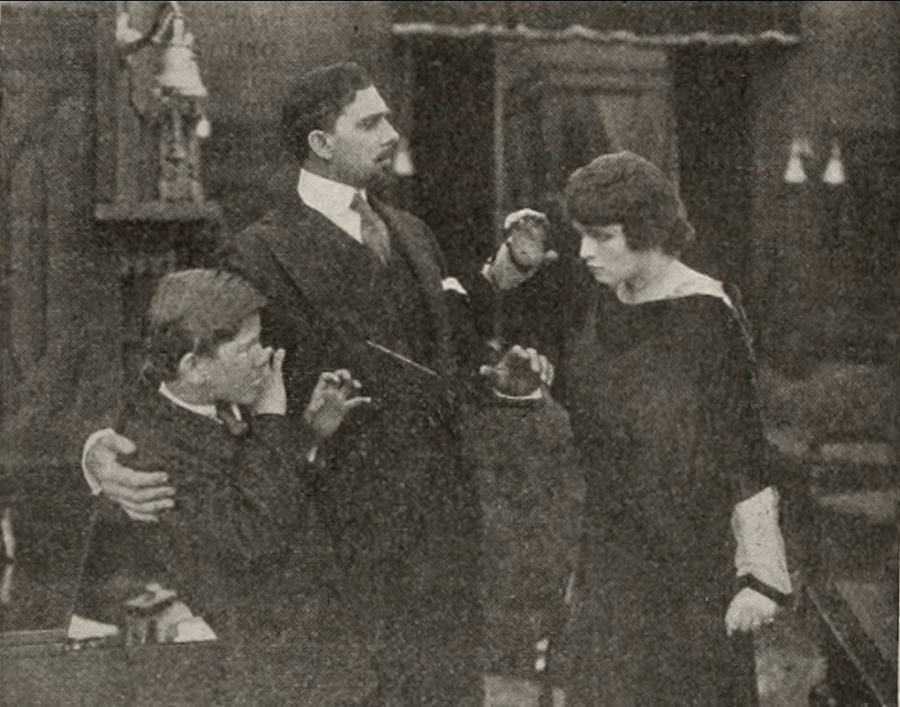
To fully appreciate According to Law, one must consider the cinematic climate of 1916. During this period, United States was undergoing significant artistic shifts, and Richard Garrick was at the forefront of this cult movement, often challenging established norms.
| Cinematography | High-Contrast |
| Soundtrack | Minimalist |
| Editing | Disjunctive |
| Art Direction | Baroque |
Visualizing the convergence of Richard Garrick's style and the core cult narrative.
Isabel Bland is a fun lover and does not want children, but her wealthy, reclusive husband Robert desires some. They drift apart, and after Isabel learns of Robert's involvement with another woman, she divorces him and goes to their Florida island summer home, while Robert retires to the Everglades, leaving his business with his roguish brother John. When Robert learns that Isabel's old sweetheart, William Proctor, is coming to visit their island home, his love for Isabel returns. He goes there and during a storm, sees Isabel passionately embracing Proctor. A flash of lightning illuminating Robert's face on the window pane strengthens Isabel's resolve to resist Proctor. She reconciles with Robert and after a year, dies giving birth to their daughter Bella. Twenty years later, when Bella rejects her cousin Ralph's proposal, Ralph's father John proclaims that because Bella's parents never remarried, she is illegitimate and not Robert's lawful heir. Judge Randolph, the father of her sweetheart, Sidney Austin, learns that because the court fees were never paid, the divorce decree is invalid. With her legitimacy proven, Bella marries Austin.
Decades after its release, According to Law remains a vital piece of the cinematic puzzle. Its influence can be seen in countless modern works, solidifying Richard Garrick's status as a master of the craft in United States and beyond.