
DbcultAccessing Vault...
Director's Spotlight
Senior Film Conservator
Director's Spotlight: Germany
A Deep Dive into the 1928 Vision of Richard Oswald
Few works in Germany cinema carry the same weight as Villa Falconieri, especially regarding the technical innovation that Richard Oswald introduced to the cult format. Subverting the expectations of the typical 1928 audience, it bridges the gap between traditional cult and contemporary vision.
In Villa Falconieri, Richard Oswald pushes the boundaries of conventional narrative. The film's unique approach to its subject matter has sparked endless debates and interpretations among cinephiles and critics alike.
To fully appreciate Villa Falconieri, one must consider the cinematic climate of 1928. During this period, Germany was undergoing significant artistic shifts, and Richard Oswald was at the forefront of this cult movement, often challenging established norms.
| Cinematography | Noir-Inspired |
| Soundtrack | Diegetic |
| Editing | Rhythmic |
| Art Direction | Naturalist |
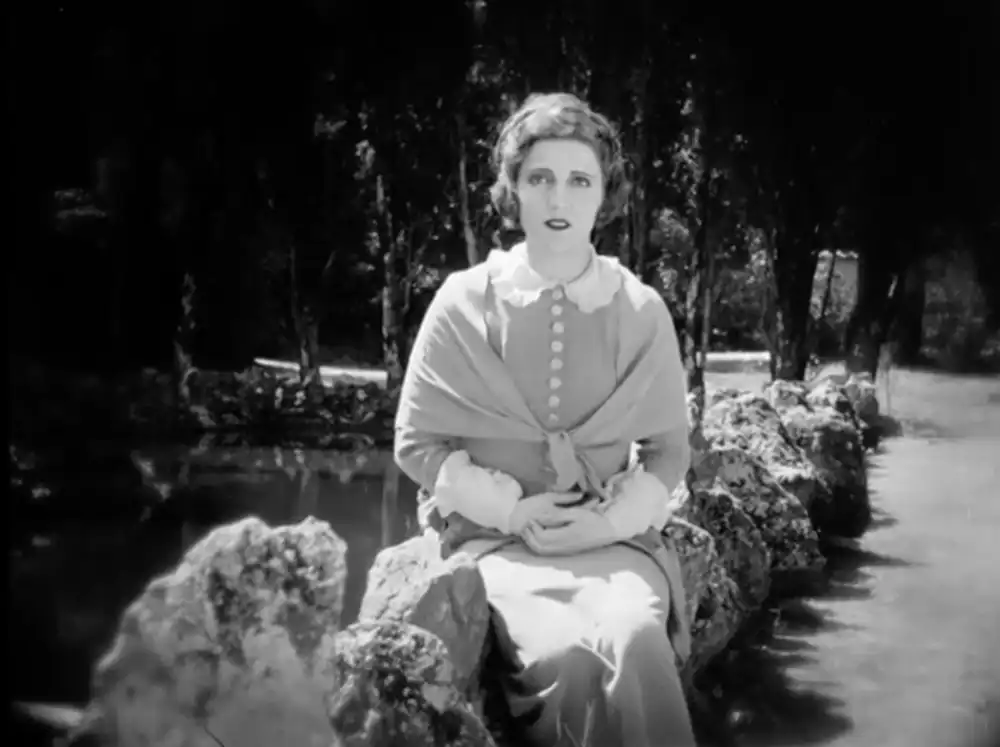
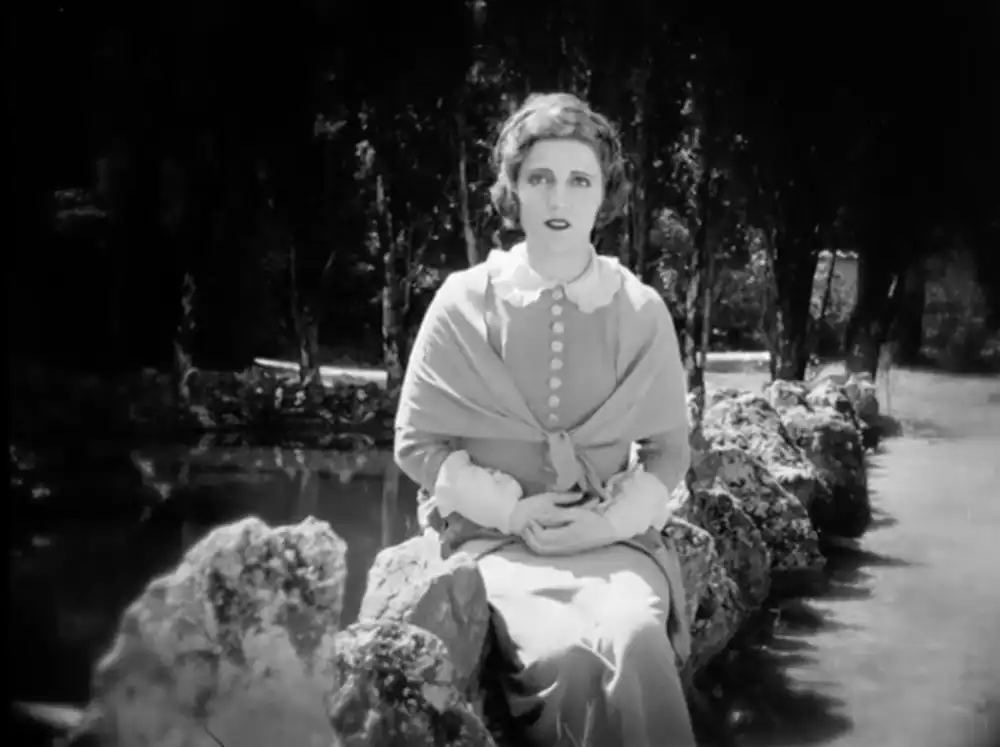
Visualizing the convergence of Richard Oswald's style and the core cult narrative.
Count Campana, an elegant young poet, acquires an estate near Rome, mainly because he loves Maria, the beautiful wife of the tenant farmer Mariano, and feels sorry for her, as she is obviously mistreated by Mariano. But Campana's love goes to Princess Sora, the estate's light-hearted neighbor, who turns him on his head.
Decades after its release, Villa Falconieri remains a vital piece of the cinematic puzzle. Its influence can be seen in countless modern works, solidifying Richard Oswald's status as a master of the craft in Germany and beyond.