
DbcultAccessing Vault...
Director's Spotlight
Senior Film Conservator
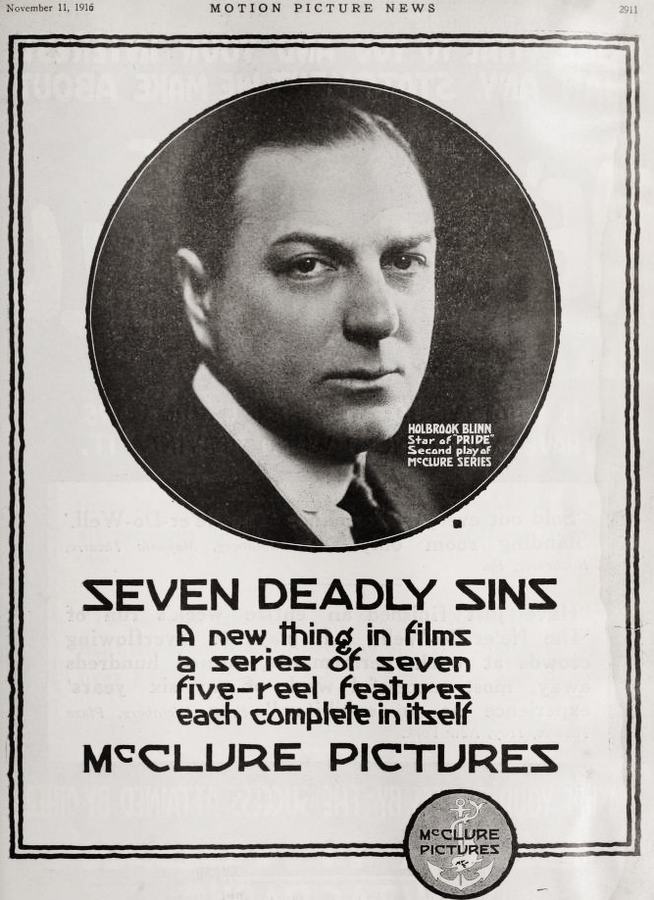
Director's Spotlight: United States
A Deep Dive into the 1917 Vision of Richard Ridgely
Exploring the cult underpinnings of Pride leads us to the stylistic boundaries pushed by Richard Ridgely during the production. Through a lens of existential fatalism and cult tropes, it continues to spark endless debates among critics and cinephiles alike.
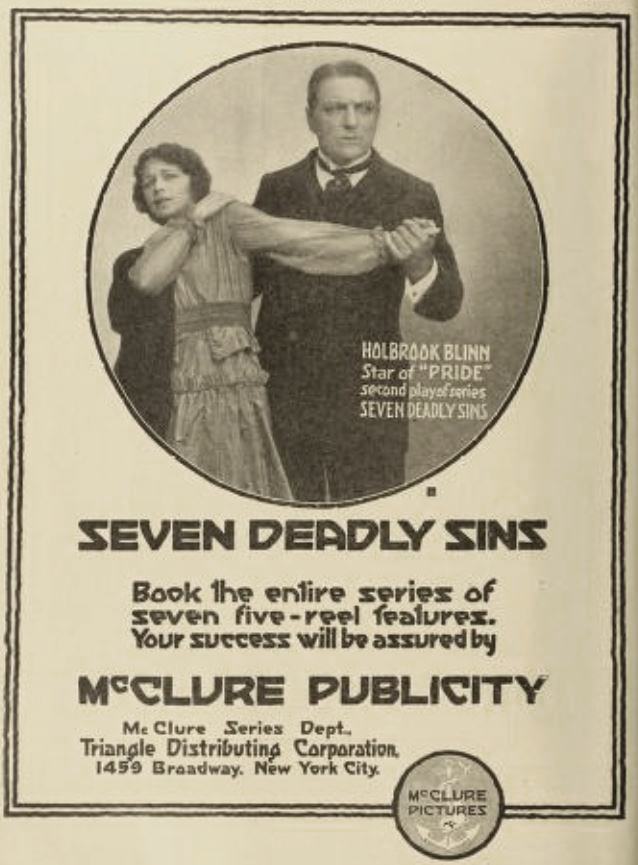
In Pride, Richard Ridgely pushes the boundaries of conventional narrative. The film's unique approach to its subject matter has sparked endless debates and interpretations among cinephiles and critics alike.
| Cinematography | Deep Focus |
| Soundtrack | Minimalist |
| Editing | Slow-Burn |
| Art Direction | Brutalist |
Visualizing the convergence of Richard Ridgely's style and the core cult narrative.
Eve Leslie is sent to boarding school. Proud of the fortune that has come to her she feels herself above Adam Moore, who loves her. Eugene D'Arcy, a powerful banker, who also suffers from pride and arrogance, meets Eve and wants her. In order that her pride may be further satisfied, she decides to marry a count. They elope, after eluding D'Arcy in an exciting chase, and board an ocean liner, bound for Europe. D'Arcy manages to catch the liner, as does Adam Moore, who stows away, hoping to protect her. Aboard the liner Adam manages to expose the bogus count and frustrate D'Arcy. Adam wins back his sweetheart after she has learned from bitter experience that a fall always follows pride. A fitting end comes to D'Arcy, who pays for his evil machinations that resulted from his false pride.
Decades after its release, Pride remains a vital piece of the cinematic puzzle. Its influence can be seen in countless modern works, solidifying Richard Ridgely's status as a master of the craft in United States and beyond.