
DbcultAccessing Vault...
Director's Spotlight
Senior Film Conservator
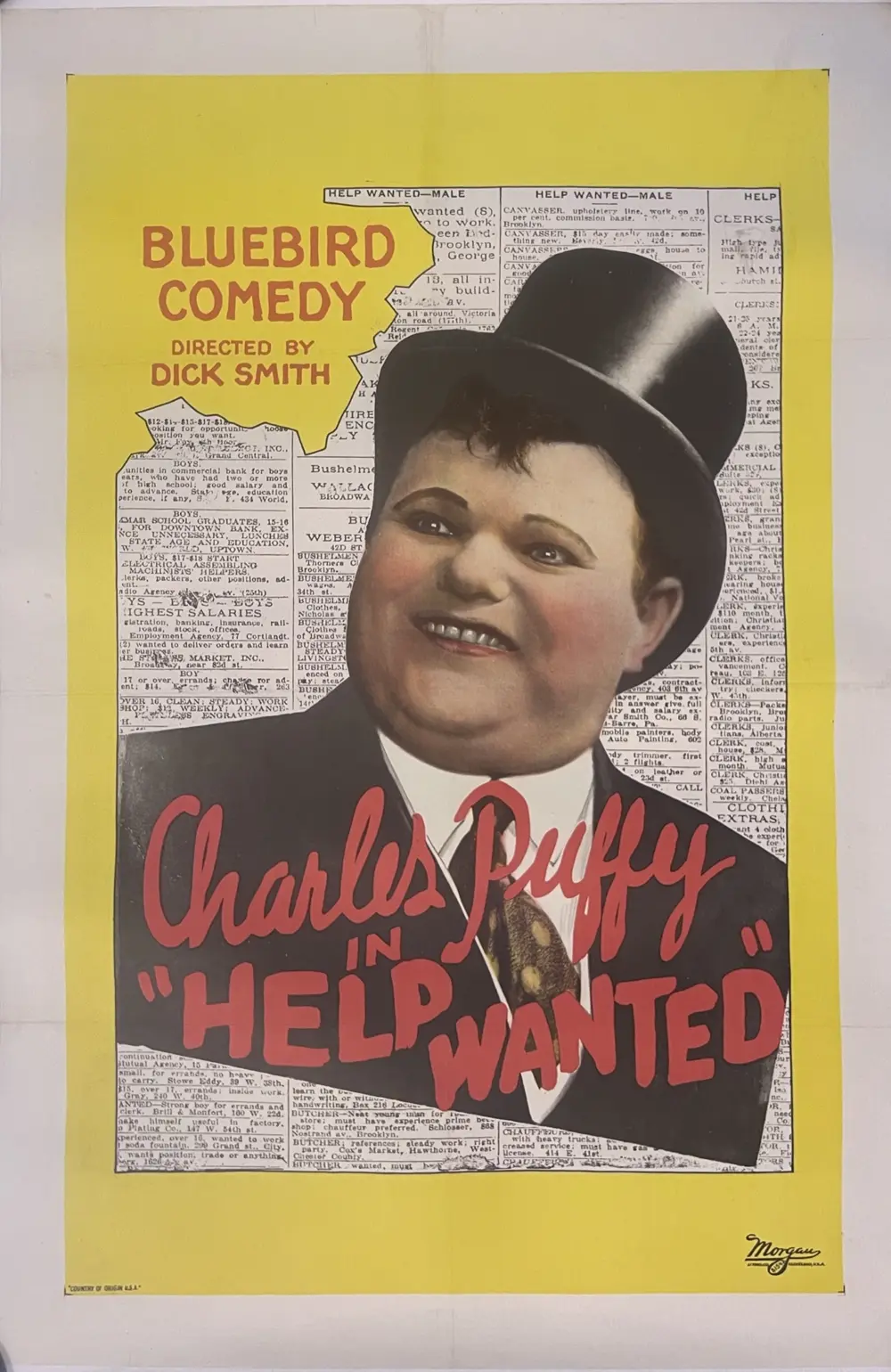
Director's Spotlight: United States
A Deep Dive into the 1926 Vision of Richard Smith
To understand the modern evolution of United States film, one must first look at Help Wanted and the collaborative alchemy between Richard Smith and the 1926 creative team. Subverting the expectations of the typical 1926 audience, it remains a vital reference point for anyone studying the evolution of Richard Smith.
In Help Wanted, Richard Smith pushes the boundaries of conventional narrative. The film's unique approach to its subject matter has sparked endless debates and interpretations among cinephiles and critics alike.
To fully appreciate Help Wanted, one must consider the cinematic climate of 1926. During this period, United States was undergoing significant artistic shifts, and Richard Smith was at the forefront of this Short movement, often challenging established norms.
| Cinematography | Noir-Inspired |
| Soundtrack | Minimalist |
| Editing | Slow-Burn |
| Art Direction | Brutalist |
Visualizing the convergence of Richard Smith's style and the core Short narrative.
Charley gets tossed out of his girlfriend's house by her father with the instruction to go get a job. He spots a position listed on the bulletin board in front of the employment agency but has no paper to write the address on. He stanches the white collar from a passing pedestrian, writes down the address and the irate collar-owner comes back and retrieves his property. Charley follows him all over town trying to read the address. The man falls from a bus, is hit by a fender and thrown up on the porch of Charley's girlfriends house. He turns out to be the long-lost brother and Charley gets the reward for finding him.
Decades after its release, Help Wanted remains a vital piece of the cinematic puzzle. Its influence can be seen in countless modern works, solidifying Richard Smith's status as a master of the craft in United States and beyond.