
DbcultAccessing Vault...
Director's Spotlight
Senior Film Conservator
Director's Spotlight: United States
A Deep Dive into the 1927 Vision of Richard Smith
Analyzing Why Mules Leave Home (1927) requires a deep dive into the defining moment in Short history that Richard Smith helped create. Defining a new era of United States artistic expression, it transcends regional boundaries to tell a universal story.
In Why Mules Leave Home, Richard Smith pushes the boundaries of conventional narrative. The film's unique approach to its subject matter has sparked endless debates and interpretations among cinephiles and critics alike.
In this work, Richard Smith explores the intersection of Short and United States cultural identity. The meticulous attention to detail suggests a deep-seated commitment to pushing the boundaries of the medium, ensuring that Why Mules Leave Home remains a relevant topic of study for Short enthusiasts.
| Cinematography | High-Contrast |
| Soundtrack | Synth-Heavy |
| Editing | Disjunctive |
| Art Direction | Baroque |
Visualizing the convergence of Richard Smith's style and the core Short narrative.
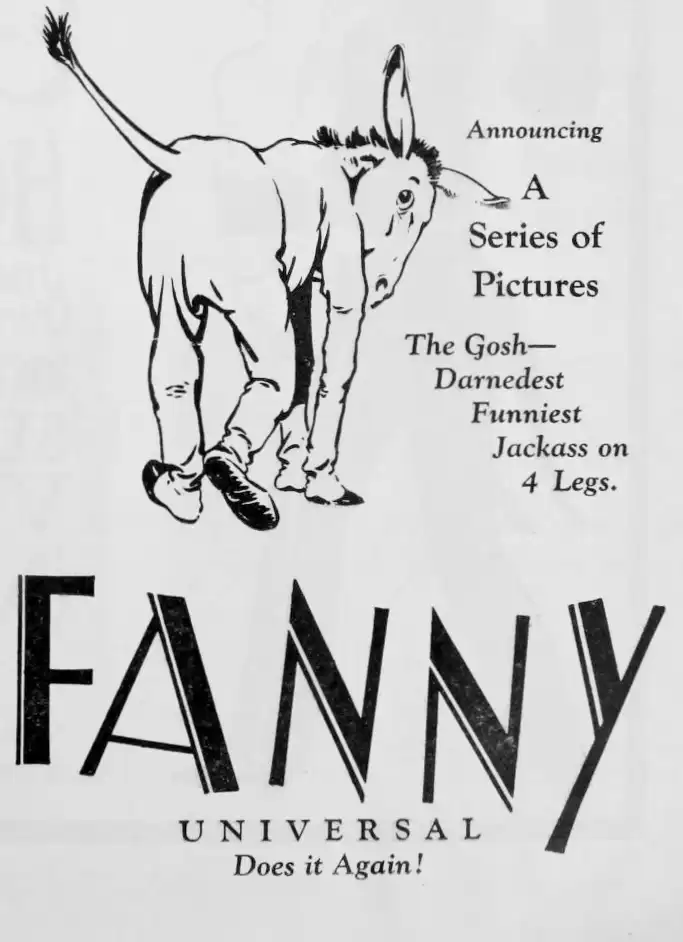
Fanny, the mule, is beaten by the tough sheriff who has the pretty girl in his power. She appeals to the chivalry of Slim, who remonstrates with the brute, but to no avail. The mule is offered at auction. Kind-hearted, Slim promises to buy Fanny for the girl but he is outbid by the Sheriff. Slim gets away with Fanny anyway. Seeing an Italian making money with a grind organ and a monkey on a string, Slim gets an organ and competes with the performing mule. He calls on the girl for the purpose of living happy ever after on the money he had made with the mule. The sheriff pursues the hoss thief, but Fanny hides under the table and puts the sleuth to shame. The girl and the man are wed.
Decades after its release, Why Mules Leave Home remains a vital piece of the cinematic puzzle. Its influence can be seen in countless modern works, solidifying Richard Smith's status as a master of the craft in United States and beyond.