
DbcultAccessing Vault...
Director's Spotlight
Senior Film Conservator
Director's Spotlight: United States
A Deep Dive into the 1917 Vision of Richard Stanton
The 1917 release of North of Fifty-Three marked a significant moment for the stylistic boundaries pushed by Richard Stanton during the production. In the context of United States's rich cinematic history, it invites us to question our own perceptions of cult narratives.
In North of Fifty-Three, Richard Stanton pushes the boundaries of conventional narrative. The film's unique approach to its subject matter has sparked endless debates and interpretations among cinephiles and critics alike.
To fully appreciate North of Fifty-Three, one must consider the cinematic climate of 1917. During this period, United States was undergoing significant artistic shifts, and Richard Stanton was at the forefront of this cult movement, often challenging established norms.
| Cinematography | Static |
| Soundtrack | Synth-Heavy |
| Editing | Disjunctive |
| Art Direction | Baroque |
Visualizing the convergence of Richard Stanton's style and the core cult narrative.
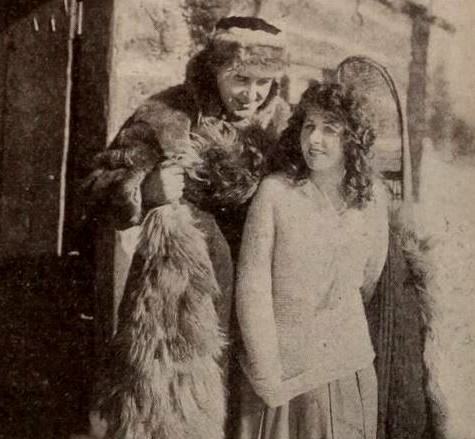
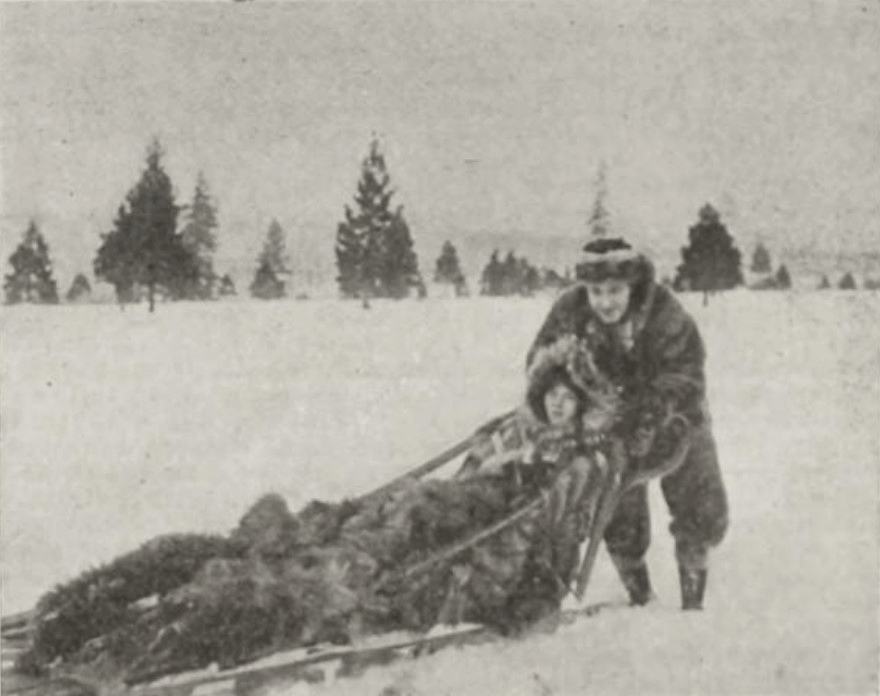
Finding his partner, Joe Brooks, murdered in the snow, "Roaring" Bill Wagstaff's troubles begin. A ray of sunshine enters his life soon after though, with the arrival of Hazel Weir who has come West to teach, but finds herself lost in the woods outside the town of Cariboo Meadows. Bill discovers her and under the guise of leading her to town, takes her to his cabin where he declares his love. Hazel, who is smarting from unfair accusations of scandal, rejects Bill's offer and leaves for Cariboo Meadows. Later, Bill learns of Hazel's problems and rushes to town to confirm his faith in her. En route, he stops at a saloon where he sees his dead partner's snowshoes leaning against a wall. At the point of a gun, he extracts the name of Joe's killer from the saloon keeper and then sets out after the man, Nig Geroux. After avenging his partner's death, Bill finds Hazel, who accepts his love.
Decades after its release, North of Fifty-Three remains a vital piece of the cinematic puzzle. Its influence can be seen in countless modern works, solidifying Richard Stanton's status as a master of the craft in United States and beyond.