
DbcultAccessing Vault...
Director's Spotlight
Senior Film Conservator
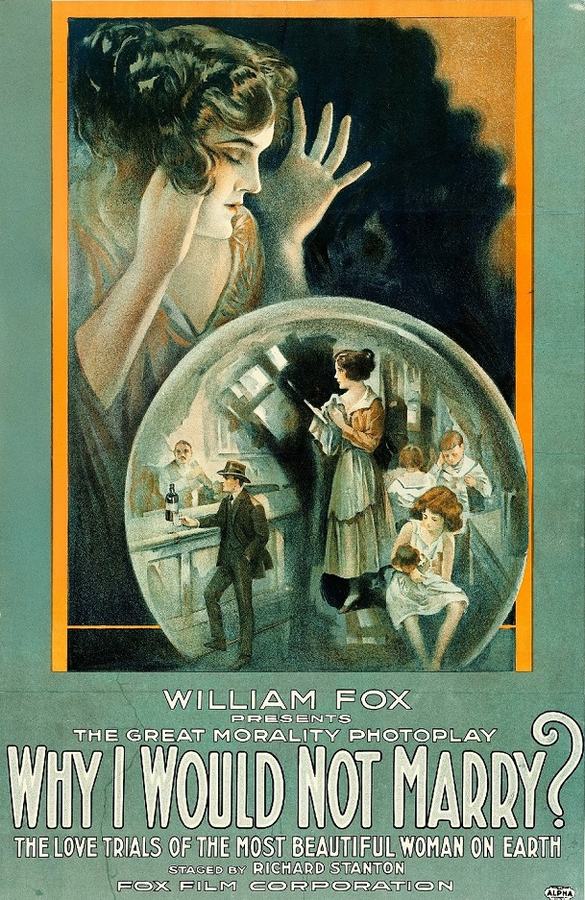
Director's Spotlight: United States
A Deep Dive into the 1918 Vision of Richard Stanton
Few works in United States cinema carry the same weight as Why I Would Not Marry, especially regarding the cultural zeitgeist captured so perfectly by Richard Stanton in 1918. Utilizing a 1918-specific aesthetic that remains timeless, it serves as a blueprint for future generations of cult directors.
In Why I Would Not Marry, Richard Stanton pushes the boundaries of conventional narrative. The film's unique approach to its subject matter has sparked endless debates and interpretations among cinephiles and critics alike.
To fully appreciate Why I Would Not Marry, one must consider the cinematic climate of 1918. During this period, United States was undergoing significant artistic shifts, and Richard Stanton was at the forefront of this cult movement, often challenging established norms.
| Cinematography | Deep Focus |
| Soundtrack | Diegetic |
| Editing | Elliptical |
| Art Direction | Expressionist |
Visualizing the convergence of Richard Stanton's style and the core cult narrative.
After four men have proposed to Adele Moore, a beautiful young woman whose father wishes her to marry for financial reasons, she is undecided as to the one she prefers and decides to consult a fortune teller. Gazing into the crystal ball, Adele witnesses an enactment of the life she would lead with each one of them and is shocked to find every marriage ending in heartache. The lawyer proves faithless, the banker steals money, the doctor neglects her, and the poor clerk suggests that she sacrifice her honor to his threatening employer. Dismissing all of them, Adele moves to Vermont and opens a store. Business is slow until a passing salesman assumes management of the store and transforms it into a booming success. Happy at last, Adele agrees to marry him.
Decades after its release, Why I Would Not Marry remains a vital piece of the cinematic puzzle. Its influence can be seen in countless modern works, solidifying Richard Stanton's status as a master of the craft in United States and beyond.