
DbcultAccessing Vault...
Director's Spotlight
Senior Film Conservator
Director's Spotlight: United States
A Deep Dive into the 1925 Vision of Richard Thorpe
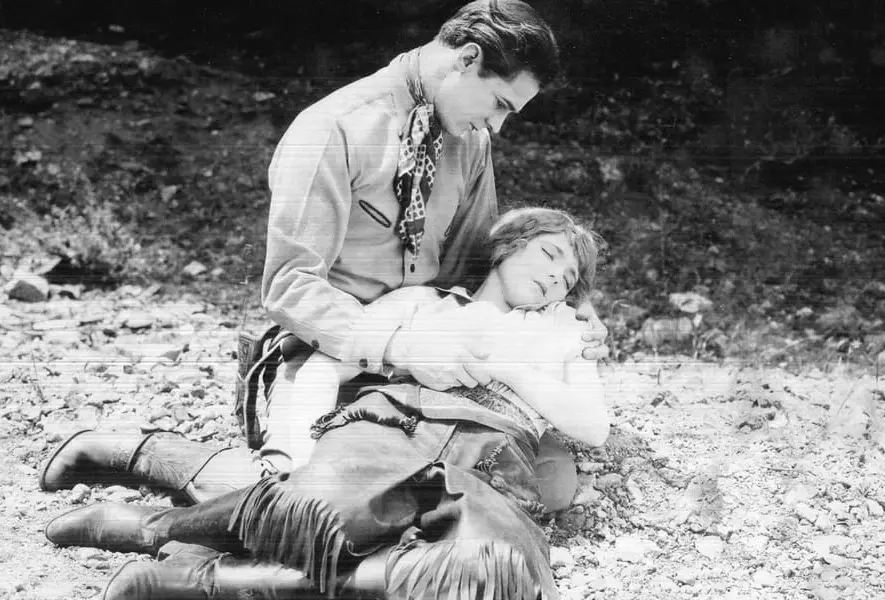
When we examine the cinematic landscape of United States, Tearin' Loose emerges as a landmark work of the enduring legacy of Richard Thorpe's artistic contribution to the genre. Through a lens of existential fatalism and Western tropes, it captures a specific kind of cinematic magic that is rarely replicated.
In Tearin' Loose, Richard Thorpe pushes the boundaries of conventional narrative. The film's unique approach to its subject matter has sparked endless debates and interpretations among cinephiles and critics alike.
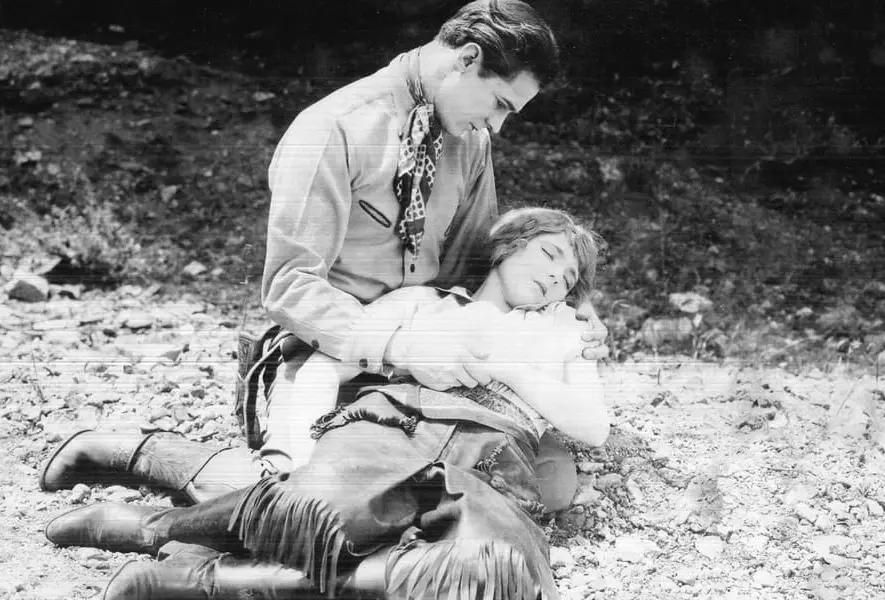
In this work, Richard Thorpe explores the intersection of Western and United States cultural identity. The meticulous attention to detail suggests a deep-seated commitment to pushing the boundaries of the medium, ensuring that Tearin' Loose remains a relevant topic of study for Western enthusiasts.
| Cinematography | Static |
| Soundtrack | Orchestral |
| Editing | Slow-Burn |
| Art Direction | Brutalist |
Visualizing the convergence of Richard Thorpe's style and the core Western narrative.
Dad Burns, an aging rancher, writes to his nephew, Wally Blake, whom he has never seen, requesting that he take over the management of his large cattle ranch. On the way there, Wally is framed for a crime and sent to jail; Matt Harris, using Burns's letter to Wally as proof of his identity, takes Wally's place and, accompanied by his sister, Sally, goes to the Burns ranch, passing himself off as Burns's nephew. Wally eventually arrives at the ranch and catches Harris robbing the safe; Harris manages to pin the blame on Wally. Dad Burns is jumped by Jim, and the wily old-timer kills the tramp. Wally is also blamed for this crime. Wally and Harris fight it out on the edge of a precipice, and Wally sends the impostor to his doom. Wally establishes his true identity and wins the affection of both his uncle and Harris' sister.
Decades after its release, Tearin' Loose remains a vital piece of the cinematic puzzle. Its influence can be seen in countless modern works, solidifying Richard Thorpe's status as a master of the craft in United States and beyond.