
DbcultAccessing Vault...
Director's Spotlight
Senior Film Conservator
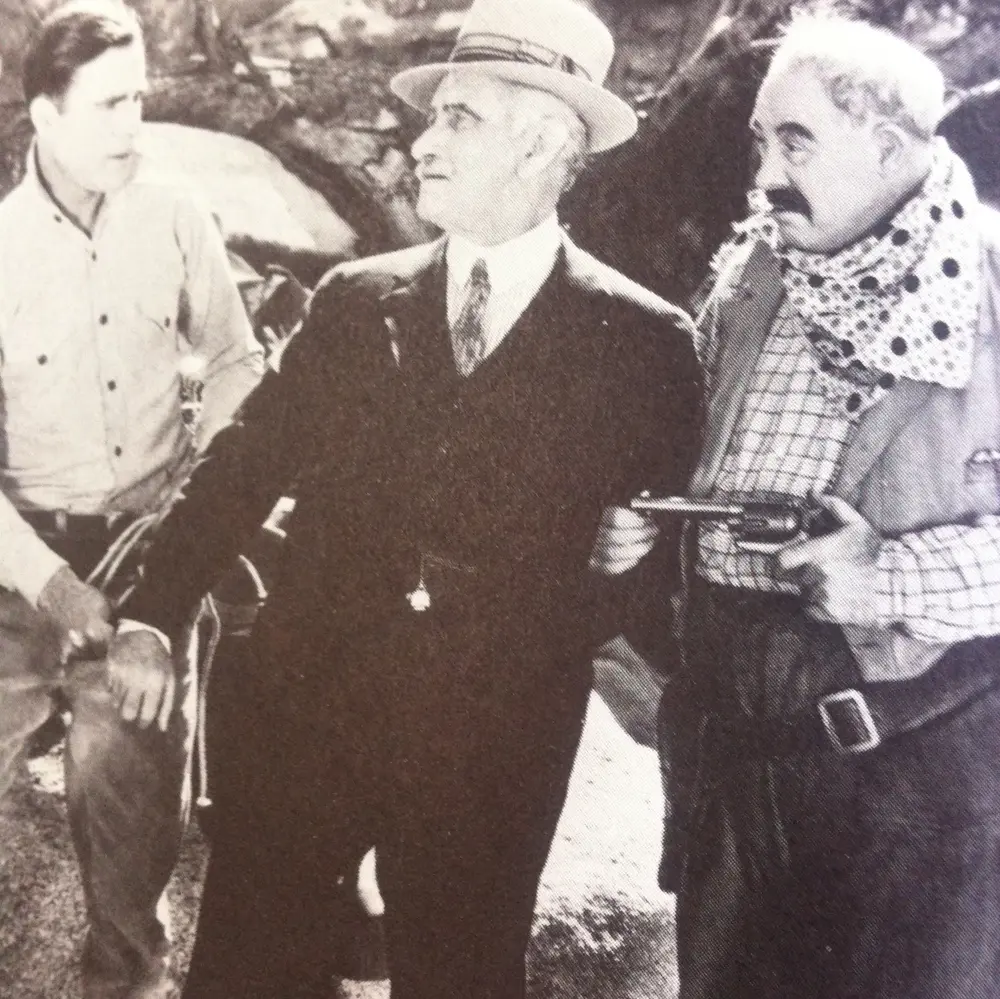
Director's Spotlight: United States
A Deep Dive into the 1926 Vision of Richard Thorpe
The evocative power of The Bandit Buster stems from the unique collaboration between the subversive storytelling techniques employed by Richard Thorpe in 1926. Synthesizing the best elements of United States and international cinema, it reminds us of the fragility and beauty of the 1926s.
In The Bandit Buster, Richard Thorpe pushes the boundaries of conventional narrative. The film's unique approach to its subject matter has sparked endless debates and interpretations among cinephiles and critics alike.
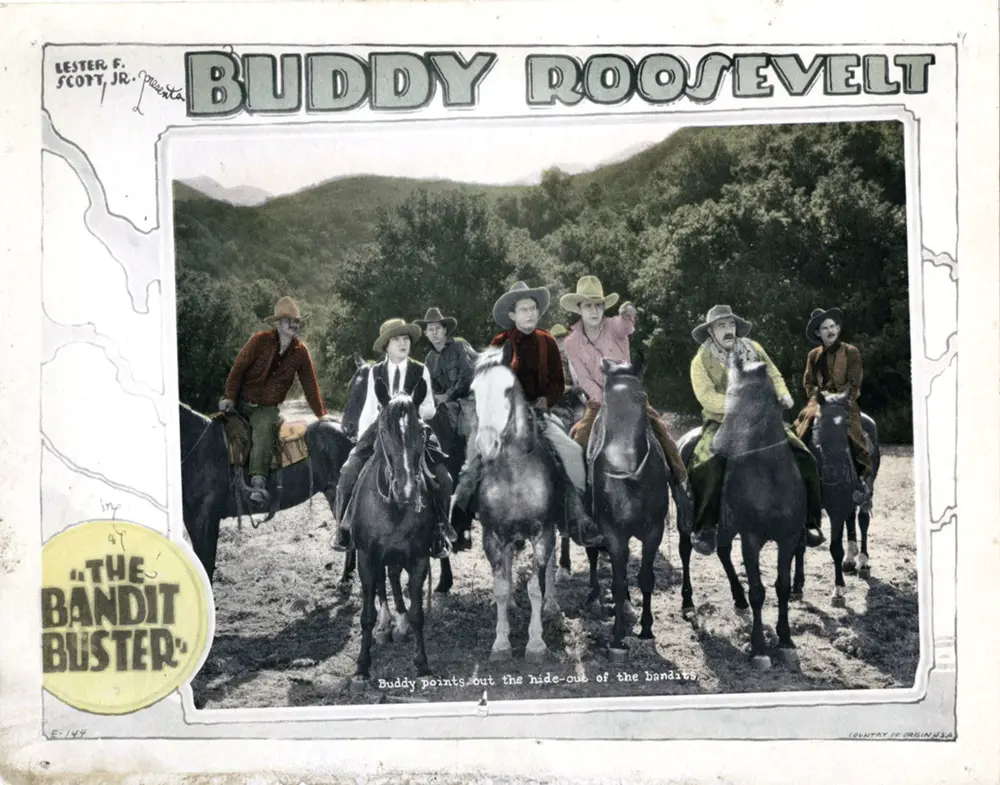
To fully appreciate The Bandit Buster, one must consider the cinematic climate of 1926. During this period, United States was undergoing significant artistic shifts, and Richard Thorpe was at the forefront of this Drama movement, often challenging established norms.
| Cinematography | Handheld |
| Soundtrack | Diegetic |
| Editing | Rhythmic |
| Art Direction | Naturalist |
Visualizing the convergence of Richard Thorpe's style and the core Drama narrative.
Sylvia Morton is the daughter of wealthy banker Henry Morton. She's worried that her father is working too hand. One day she meets Buddy Miller and his friend Romeo, and together they come up with a scheme to take her father to a mountain resort for some rest--whether he wants to or not. Unbeknownst to the group, Henry is in the middle of an important stock transaction involving his holdings in a steel company. When a clerk at the resort finds out who Morton is and about the stock deal, he arranges for Morton to be kidnapped and held for a large ransom. Complications ensue.
Decades after its release, The Bandit Buster remains a vital piece of the cinematic puzzle. Its influence can be seen in countless modern works, solidifying Richard Thorpe's status as a master of the craft in United States and beyond.